What happened
ABB had strong technology but too many businesses, slow decisions and margins below rivals. Since 2020 it has decentralised — giving each division real responsibility for its results — and sold businesses where it was not a leader.
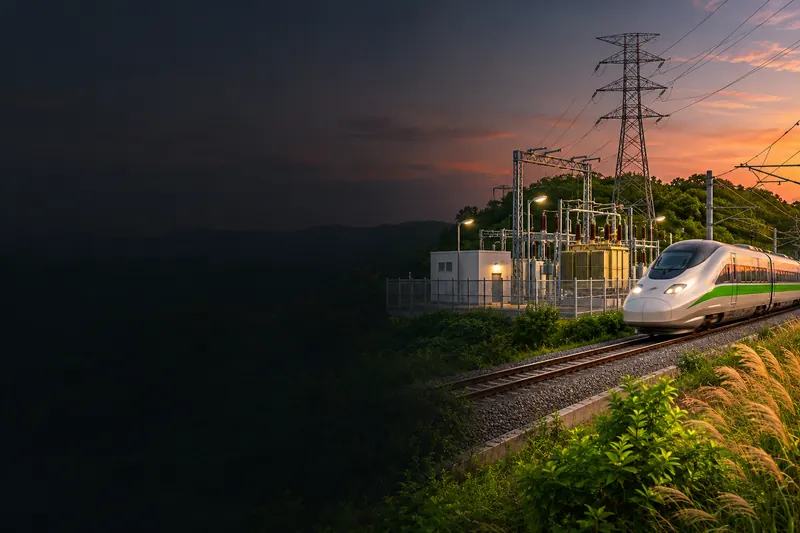
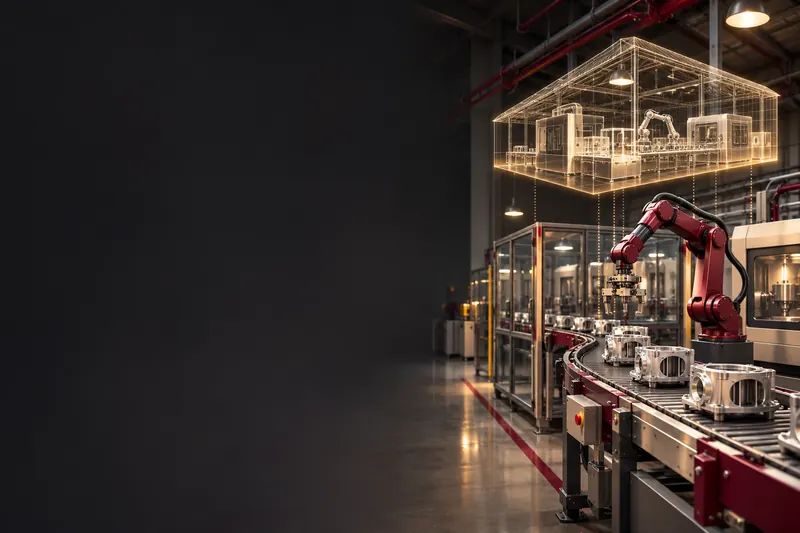
The remaining company sells equipment that moves and controls electricity: switches, motors, drives and automation systems. Data centres, grids, rail and ports are driving orders. The question is whether ABB can keep growing once the current investment wave slows.
The lessonFocus can raise returns: selling good businesses that do not fit can make the rest of the company stronger.
Key moments
ASEA of Sweden and Brown Boveri of Switzerland merge to form ABB.
Asbestos claims and losses bring ABB close to collapse.
ABB sells its power grids business to Hitachi.
It spins off turbocharger maker Accelleron.
Instead of spinning off robotics, ABB agrees to sell it to SoftBank.
For your seminar, paper or interview
- Q1
Why did ABB sell its robotics business instead of keeping it?
- Q2
How does decentralisation improve performance?
- Q3
Which risks could end the electrification boom?
- Portfolio focus
- Decentralised management
- Return on capital
Propose your solution
Pick a discussion question and set out what you would do, why, and what it would cost. Strong, well-argued answers are reviewed and published below with your first name and programme.
Published solutions
Loading published solutions…
Figures are as reported in the cited sources. Check the source before quoting. Corrections: let us know through the solution form.