What happened
The Aboitiz group traces its roots to Basque immigrants who started trading abaca fibre in the Philippines in the late 19th century, and formally organised in the early 20th century. Based in Cebu, it grew into one of the country’s leading conglomerates, with interests in power generation and distribution (AboitizPower), banking (UnionBank), food (Aboitiz Foods, including Pilmico), real estate, and infrastructure through Aboitiz InfraCapital.
AboitizPower is the biggest contributor, accounting for 46% of group net income in 2025. It owns coal, hydro, geothermal and solar plants and distributes electricity in several cities. UnionBank, known for digital banking innovation, bought Citigroup’s Philippine consumer business in 2022. In 2024 Aboitiz, with Coca-Cola Europacific Partners, acquired Coca-Cola’s Philippine bottling operations.
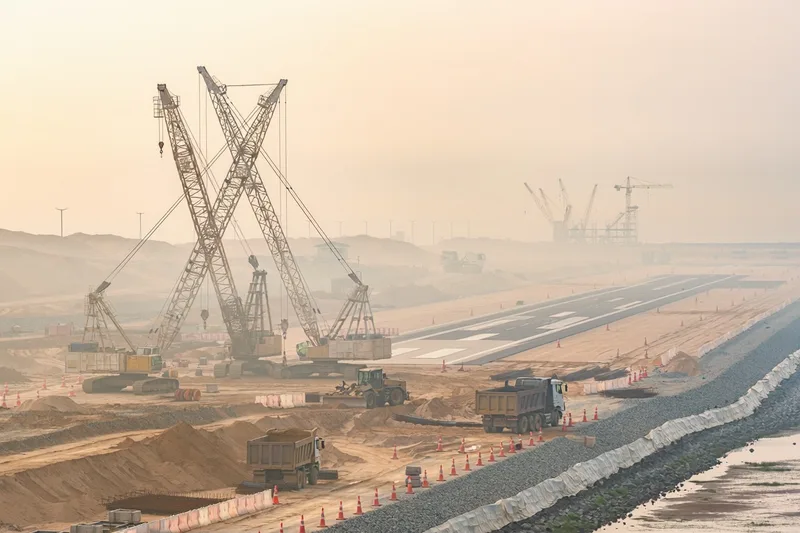
Aboitiz InfraCapital runs Mactan-Cebu International Airport and in 2025 added Laguindingan and Bohol-Panglao airports, together serving over 16 million passengers, plus water projects and digital towers.
In 2025 core net income was flat at ₱25.5 billion. Reported net income edged up to ₱18.3 billion after ₱7.2 billion of non-recurring charges, mainly a partial impairment of the GNPower Mariveles coal plant. AboitizPower’s EBITDA rose 9% to ₱79.6 billion, helped by new solar plants and the Caliraya–Botocan–Kalayaan hydro complex. Total assets passed ₱1 trillion. In the first half of 2026 net income jumped 63%.
The group’s stated vision is to become a ‘techglomerate’, using data, AI and digital tools across all businesses, from smarter power grids to digital banking and data-driven food production.
The case lets students examine digital transformation in traditional industries and how a family conglomerate balances legacy assets like coal with new strategies.
The techglomerate idea reflects a broader trend. Traditional conglomerates sit on huge amounts of data: millions of electricity customers, bank accounts, airport passengers and food buyers. If these can be connected and analysed, they could improve efficiency, create new products and cross-sell services. But in practice, data sharing across businesses raises privacy and regulatory issues, and many digital transformation programmes fail to deliver promised benefits.
The coal impairment highlights energy transition risk. GNPower Mariveles is a coal-fired plant whose value fell as expectations for coal’s future changed. AboitizPower is investing heavily in renewables, but coal plants remain significant earners. Managing this transition without large write-downs is a key challenge for Philippine power companies.
UnionBank provides a test case for the group’s digital ambitions. It was an early leader in digital banking in the Philippines and absorbed Citi’s consumer customers, but integrating those accounts and making them profitable has been challenging. If Aboitiz can show that UnionBank’s data and digital tools improve results across power, food and infrastructure, the techglomerate story will become more convincing.
The coming years will show whether the label reflects real change or remains a slogan for investors.
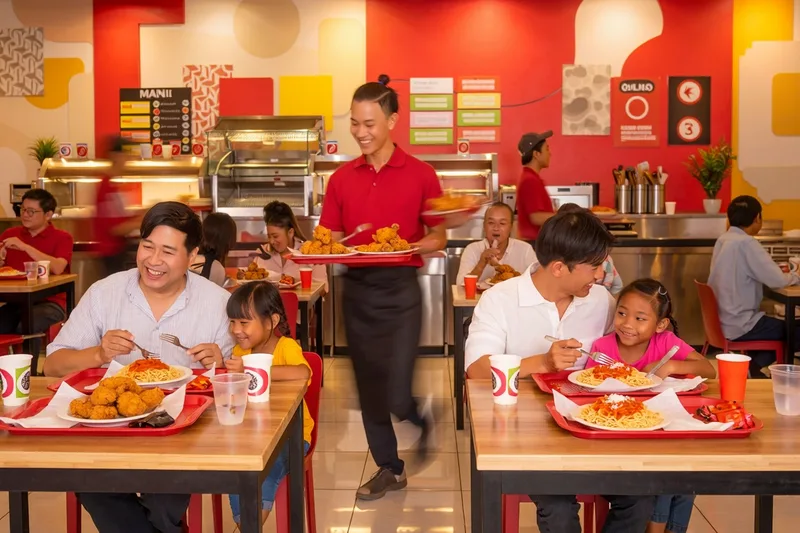
Food is another growth engine. Aboitiz Foods produces animal feed, flour and pork across Southeast Asia, and the Coca-Cola bottling acquisition added a well-known consumer brand with steady demand. Food and beverages contributed a third of 2025 earnings. That diversification helped offset weaker results elsewhere and gives the group several independent sources of growth across different economic cycles.
Key moments
Aboitiz family begins trading in the Philippines.
AboitizPower and UnionBank grow.
UnionBank buys Citi’s Philippine consumer business.
Coca-Cola Philippines bottling acquisition.
Core profit ₱25.5bn; new airports; coal impairment.
Net income up 63%.
Shares as reported; other units small or negative. Source: Inquirer.
The trade-offs at the heart of the case
Legacy assets vs. transition
Coal plants earn money today but face long-term decline.
Digital ambition vs. execution
Techglomerate goals require new skills and investment.
Diversification vs. focus
Many businesses spread risk but complicate management.
For your seminar, paper or interview
- Q1
What does it mean to be a ‘techglomerate’, and is it realistic?
- Q2
How should AboitizPower manage its coal assets?
- Q3
Do airports, banks and power fit together in one group?
- Q4
How can data be used across conglomerate businesses responsibly?
- Q5
Compare Aboitiz’s strategy with Ayala’s and SM’s.
- Digital transformation
- Energy transition strategy
- Conglomerate synergies
- Data privacy and governance
How we would approach it
Simplifying Finance’s opinion, offered as a starting point for debate, not as fact or investment advice.
Aboitiz has strong, cash-generating businesses. Its techglomerate vision is credible only if it focuses on a few high-value data initiatives with measurable results, while managing the coal transition proactively.
Pick flagship data projects
Choose two or three cross-business initiatives with clear targets.
Plan coal phase-down
Set timelines and funding for retiring or converting coal plants.
Grow airports and infrastructure
Use the airports platform for long-term contracted growth.
Strengthen data governance
Build privacy and consent frameworks before cross-selling.
What this plan gives up
Focusing on a few projects limits innovation, and early coal retirement sacrifices income.
The strongest counter-argument
Some argue the techglomerate concept is marketing, and Aboitiz should simply run its core businesses efficiently and return cash to shareholders.
Metrics to watch
- Core net income
- AboitizPower renewable capacity
- UnionBank profitability
- Airport passenger traffic
- Digital revenue
Propose your solution
Pick a discussion question and set out what you would do, why, and what it would cost. Strong, well-argued answers are reviewed and published below with your first name and programme.
Published solutions
Loading published solutions…
- Aboitiz: AEV reports ₱25.5 billion core net income in 2025 ↗
- Inquirer: AEV 2025 net income inched up ↗
- Manila Bulletin: Aboitiz group profit steady ↗
- Inquirer: AEV first-half 2026 earnings ↗
Figures are as reported by the companies or cited outlets as of 22 November 2026. Check the source before quoting. Corrections: let us know through the solution form.