What happened
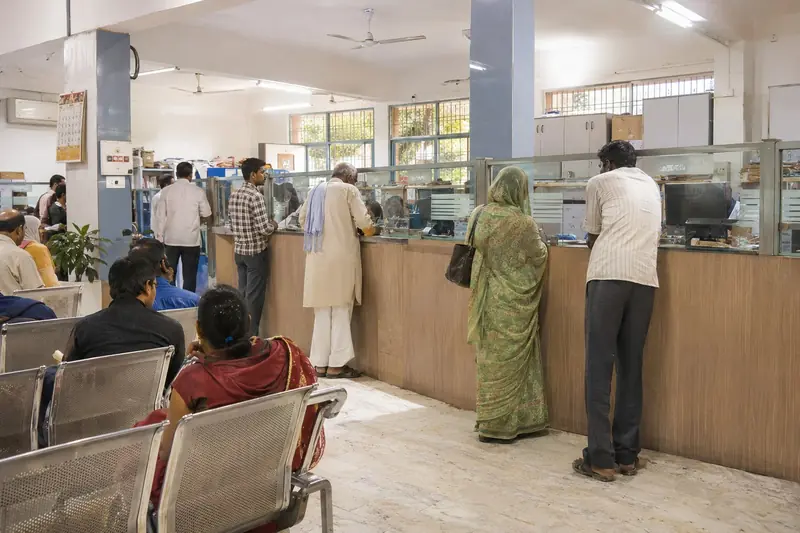
Bajaj Finance approved small loans in minutes at stores, gathering data on each customer’s repayment. It then offered them bigger loans and new products.
Its low default rates and high returns made it one of India’s most valuable financial companies. It also raised cheaper funds through deposits.
Fast growth brings risk: unsecured loans can turn bad in a downturn, and credit costs rose in 2024–25. Regulators also tightened rules on consumer lending.
The case shows how data and distribution build a lending franchise — and why credit discipline matters as it grows.
The lessonData on how customers repay lets a lender grow safely — until rapid growth outpaces its risk controls.
Key moments
Rajeev Jain joins to build consumer finance.
Point-of-sale EMI financing scales up.
The EMI card reaches millions of customers.
The RBI briefly halts two products over rule breaches.
Customers pass 100 million; AUM crosses ₹4 lakh crore.
For your seminar, paper or interview
- Q1
How does zero-cost EMI make money?
- Q2
Why is cross-selling so profitable?
- Q3
What risks come with unsecured lending?
- Q4
How should Bajaj Finance compete with banks and fintechs?
- Customer lifetime value
- Credit risk management
- Cross-selling
- Return on equity
Propose your solution
Pick a discussion question and set out what you would do, why, and what it would cost. Strong, well-argued answers are reviewed and published below with your first name and programme.
Published solutions
Loading published solutions…
- Bajaj Finance: FY2025 annual report highlights ↗
- Bajaj Finance: Chairman’s letter ↗
- INDmoney: Q4 FY25 results ↗
- GuruFocus: earnings call ↗
Figures are as reported in the cited sources. Check the source before quoting. Corrections: let us know through the solution form.