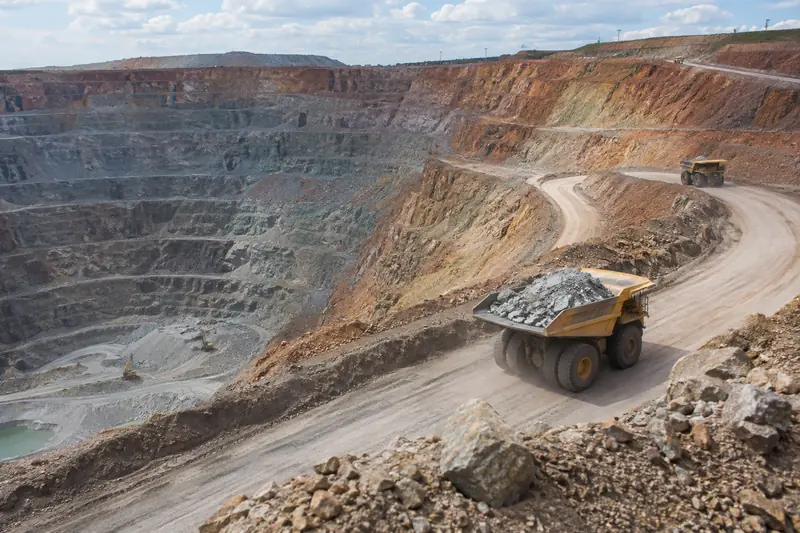
What happened
Barrick, based in Toronto, is one of the world’s largest gold producers. In 2019 it merged with Randgold Resources, whose founder Mark Bristow became chief executive. Randgold had built Loulo-Gounkoto in Mali into one of Africa’s best gold mines, and Bristow was known for close relationships with African governments.
Mali changed after a military coup in 2021. With gold prices rising to records, the junta introduced a new mining code to increase the state’s share of revenue and demanded that foreign miners renegotiate older contracts. Barrick disputed tax claims and resisted terms it said broke existing agreements.
The conflict escalated sharply. Malian authorities detained four Barrick employees, blocked gold exports and issued an arrest warrant for Bristow. Barrick halted operations at Loulo-Gounkoto in January 2025, and in June a Malian court placed the complex under provisional state administration. Barrick filed for international arbitration and wrote off about US$1 billion of revenue from the mine. The company also renamed itself Barrick Mining to reflect its growing copper ambitions.
In September 2025 Bristow resigned suddenly, and Mark Hill was named interim CEO. Reports said the board was unhappy with how the Mali dispute had been handled. Within weeks Hill wrote to the government seeking a resolution, and on 24 November 2025 the two sides reached an agreement: Mali dropped all charges, returned operational control and began releasing the detained employees, while Barrick withdrew its arbitration claims. Reports said Mali would extend the mining permit. Barrick shares jumped 8.5% to a record high.
The case is a vivid example of resource nationalism, when governments seek greater control or revenue from natural resources, especially when prices are high. It raises questions about how companies should weigh legal rights against relationships, how to protect employees in hostile environments, and how boards should hold leaders accountable for political risk.
Economists describe this pattern as the ‘obsolescing bargain’. Before a mine is built, the company holds the bargaining power: the country needs its capital and expertise, so it offers attractive terms. Once billions of dollars are sunk into the ground, the balance shifts. The mine cannot be moved, and the government can raise taxes or royalties knowing the company is unlikely to walk away. High gold prices make this temptation stronger, because the state sees foreign firms earning large profits from a national resource. Smart miners anticipate this shift and design contracts and relationships that remain acceptable to both sides when conditions change.
Key moments
Barrick merges with Randgold; Bristow becomes CEO.
Military coup in Mali.
Mali adopts new mining code to raise state share.
Barrick halts Loulo-Gounkoto as exports are blocked.
Malian court places mine under provisional administration.
Bristow resigns; Mark Hill named interim CEO.
Settlement returns mine to Barrick; charges dropped.
Revenue write-off as reported by Mining Technology; settlement value as reported by Wealth Professional citing Reuters and BNN Bloomberg. Exact terms were not fully disclosed.
The trade-offs at the heart of the case
Contracts vs. sovereignty
Legal agreements matter, but governments can change rules and enforce them on the ground.
Confrontation vs. compromise
Arbitration may protect rights in theory but leaves operations shut and staff at risk.
Leader’s relationships vs. institutional resilience
Relying on one leader’s personal ties can fail when governments change.
For your seminar, paper or interview
- Q1
What is resource nationalism, and why does it rise when commodity prices are high?
- Q2
Evaluate Barrick’s decision to halt operations and pursue arbitration. What alternatives did it have?
- Q3
How should companies protect employees in countries where they may be detained?
- Q4
Was the board right to change CEO in the middle of the dispute?
- Q5
Design a political risk framework Barrick should apply to future projects in unstable countries.
- Political risk analysis
- Obsolescing bargain model
- Stakeholder and negotiation theory
- Real options in country exposure
How we would approach it
Simplifying Finance’s opinion, offered as a starting point for debate, not as fact or investment advice.
Barrick was right to defend its contracts but wrong to let the dispute become personal and prolonged. Settling quickly once leadership changed shows that flexibility, not just legal strength, protects long-term value in fragile states.
Share upside when prices soar
Build automatic revenue-sharing mechanisms into contracts so governments benefit from high prices without tearing up agreements.
Diversify country exposure
Limit the share of earnings from any single high-risk country and prioritise stable jurisdictions in new investment.
Institutionalise government relations
Build relationships at many levels rather than relying on one leader’s personal ties.
Put people safety first
Have clear protocols to protect and quickly remove staff when legal or political risks rise.
What this plan gives up
Sharing more upside with governments lowers returns in good years, and reducing exposure to risky countries may mean passing up some of the world’s best deposits.
The strongest counter-argument
Some argue that quick settlements reward aggressive governments and encourage others to tear up contracts. On this view, Barrick should have held firm in arbitration to protect the industry’s legal certainty.
Metrics to watch
- Loulo-Gounkoto production after restart
- Share of output from high-risk countries
- Tax and royalty rates in key jurisdictions
- Arbitration outcomes in the sector
- Gold and copper prices
Propose your solution
Pick a discussion question and set out what you would do, why, and what it would cost. Strong, well-argued answers are reviewed and published below with your first name and programme.
Published solutions
Loading published solutions…
- Mining Technology: Barrick and Mali strike deal to resolve Loulo-Gounkoto disputes ↗
- CIM Magazine: Mark Bristow departs Barrick Mining ↗
- Wealth Professional: Canadian miner settles $512 million Mali dispute after CEO exit ↗
- Mining Weekly: Barrick, Mali government agree to resolve gold mine dispute ↗
Figures are as reported by the companies or cited outlets as of 22 November 2026. Check the source before quoting. Corrections: let us know through the solution form.