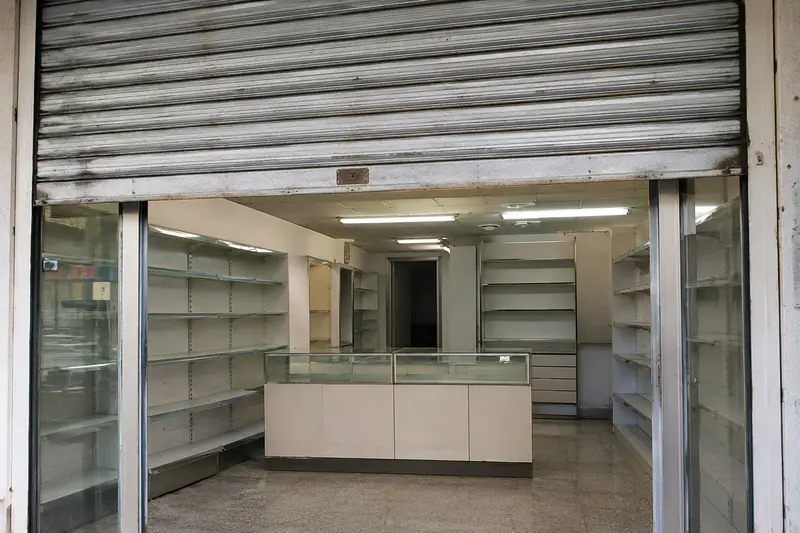
What happened
Blockbuster’s model relied on stores and on late fees that customers hated but that brought in hundreds of millions of dollars. Netflix attacked exactly that pain point with a flat monthly fee and no late charges, then moved to streaming.
Blockbuster did fight back, and in 2004–2006 its online service was gaining ground. But dropping late fees and investing online hurt profits, shareholders pushed back, leadership changed and the strategy was reversed. Heavy debt left little room to keep investing.
The lessonA profit stream that customers resent is a weakness waiting to be attacked. Responding to disruption needs consistent commitment, not stops and starts.
Key moments
Netflix, which rents DVDs by post with no late fees, offers to sell itself to Blockbuster for $50m. Blockbuster declines.
Netflix lists on the stock market; Redbox kiosks appear.
Blockbuster launches online rentals and drops late fees, costing hundreds of millions.
A new CEO cuts back the online push and reinstates fees; Netflix begins streaming.
Blockbuster files for bankruptcy.
For your seminar, paper or interview
- Q1
Should Blockbuster have bought Netflix in 2000? What would it have done with it?
- Q2
Why did Blockbuster reverse its online strategy in 2007?
- Q3
Which current businesses depend on fees customers dislike?
- Disruptive innovation
- Business model innovation
- Customer pain points
Propose your solution
Pick a discussion question and set out what you would do, why, and what it would cost. Strong, well-argued answers are reviewed and published below with your first name and programme.
Published solutions
Loading published solutions…
- CNBC: how Netflix almost lost the movie rental wars ↗
- Fortune: former CEO says Netflix did not kill Blockbuster ↗
- Business Insider: the rise and fall of Blockbuster ↗
Figures are as reported in the cited sources. Check the source before quoting. Corrections: let us know through the solution form.