What happened
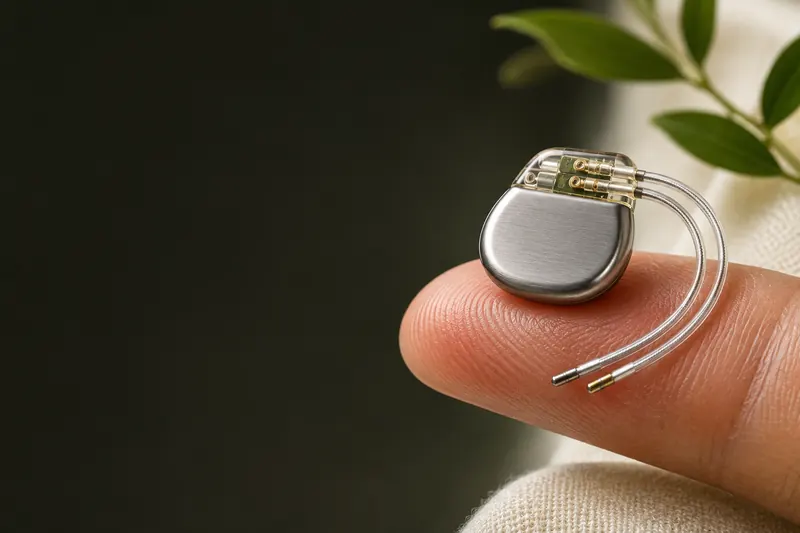
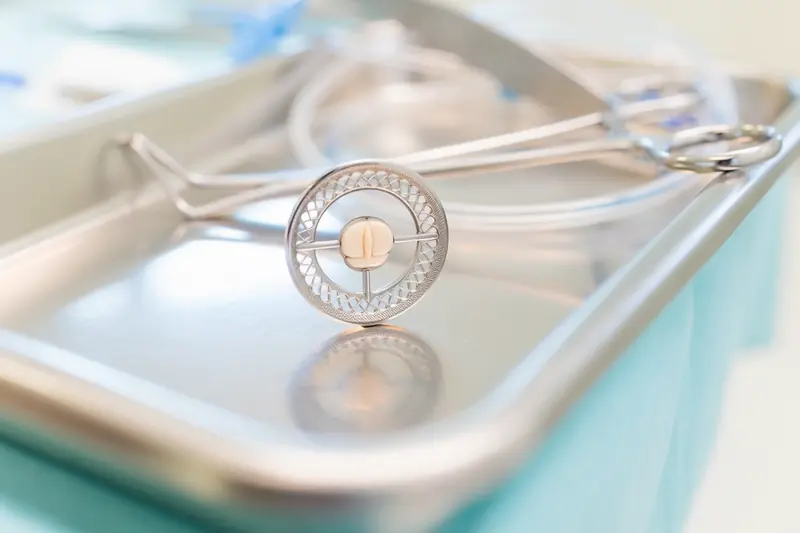
Pulsed-field ablation targets heart tissue while sparing nearby structures, making procedures faster and potentially safer. Boston Scientific was early and won share quickly, together with its Watchman stroke-prevention device.
The Guidant deal had nearly ruined it two decades earlier; Farapulse showed the value of smaller, targeted acquisitions. Now competitors such as Medtronic and Johnson & Johnson are launching their own systems.
The lessonBeing first with a better technology creates a window — but the window closes as rivals catch up.
Key moments
John Abele and Pete Nicholas found Boston Scientific.
It buys Guidant for $27bn and soon faces product recalls and heavy debt.
It buys Farapulse.
Farapulse is approved in the US and grows rapidly.
Slower US growth and Medtronic’s rival system worry investors.
For your seminar, paper or interview
- Q1
Why did Farapulse grow so quickly?
- Q2
What lessons did the Guidant deal teach Boston Scientific?
- Q3
How long can a first-mover advantage last in medtech?
- First-mover advantage
- Acquisition strategy
- Technology adoption
Propose your solution
Pick a discussion question and set out what you would do, why, and what it would cost. Strong, well-argued answers are reviewed and published below with your first name and programme.
Published solutions
Loading published solutions…
- Fierce Biotech: Boston Scientific Q2 2025 ↗
- Motley Fool: BSX Q3 2025 transcript ↗
- BioWorld: Farapulse coverage ↗
Figures are as reported in the cited sources. Check the source before quoting. Corrections: let us know through the solution form.