What happened
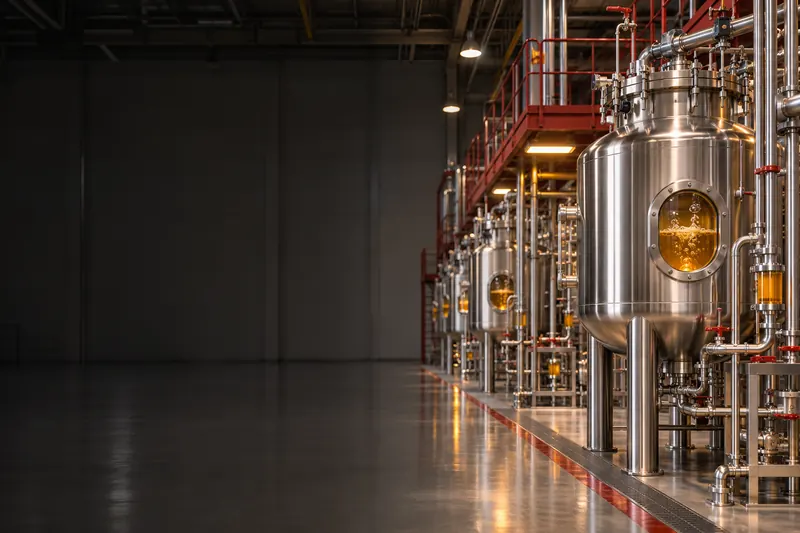
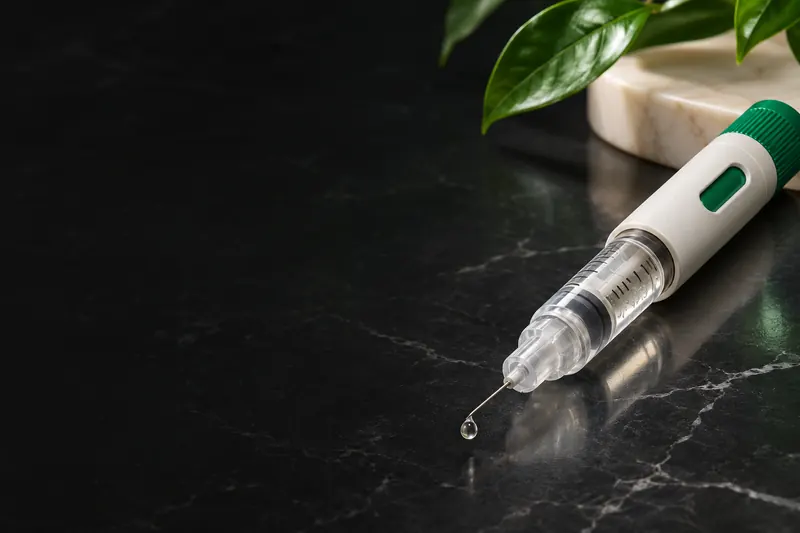
Filling sterile injection pens is a bottleneck for GLP-1 drugs. Owning Catalent’s plants gave Novo Nordisk capacity quickly. Novo Holdings kept the rest of Catalent as a contract manufacturer for other clients.
Critics argued Novo could restrict rivals’ access to capacity; regulators found enough alternatives. As Novo’s sales later slowed, the high price looked costly.
The lessonBuying capacity can solve a supply problem fast — but at a high price if demand shifts.
Key moments
Blackstone buys Cardinal Health’s drug-development business, which becomes Catalent.
Catalent lists on the NYSE.
COVID vaccine filling boosts revenue.
Quality problems and accounting issues hurt results; an activist joins.
Novo Holdings completes the takeover after antitrust reviews.
For your seminar, paper or interview
- Q1
Why did Novo want Catalent’s plants?
- Q2
Should regulators have blocked the deal?
- Q3
How does vertical integration reduce supply risk?
- Vertical integration
- Capacity strategy
- Antitrust
Propose your solution
Pick a discussion question and set out what you would do, why, and what it would cost. Strong, well-argued answers are reviewed and published below with your first name and programme.
Published solutions
Loading published solutions…
- Pharmaphorum: Novo completes Catalent takeover ↗
- DCAT: Novo Holdings completes Catalent deal ↗
- Pharma Manufacturing: Novo Holdings acquisition ↗
Figures are as reported in the cited sources. Check the source before quoting. Corrections: let us know through the solution form.