What happened
CMA CGM announced an agreement in September 2024 for an approximately 48 percent stake in Santos Brasil. In April 2025 it announced that it had become the majority shareholder with a 51 percent stake. These percentages describe different points in the transaction. Treating the announcement percentage as the closing ownership would misstate control. Treating either percentage as the share of Brazilian port traffic would be more misleading still.
A carrier and a terminal have related but distinct objectives. The carrier seeks a reliable window for its ships across a network. The terminal earns on calls by many lines and benefits from synchronising yard capacity, cranes and labour. Giving a group vessel priority could reduce delays elsewhere in the shipping group yet displace a profitable independent customer at the terminal. Both effects belong in the investment case.
Competitors do not need to see express discrimination to reconsider a terminal. A concern that commercially sensitive schedules or volumes might reach a rival can influence routing decisions. Credible separation of customer information and transparent allocation procedures can therefore protect asset value. The opportunity cost of prioritising the owner’s business includes independent volumes that may choose a different port over time.
Santos Brasil operates eight assets on the Brazilian coast, including Tecon Santos, South America’s largest container terminal, as well as a vehicle terminal, a liquid bulk terminal and logistics centres. In the year to June 2024 it had revenue of about R$2.5 billion and EBITDA of about R$1.3 billion.
On 23 September 2024 CMA CGM, the French shipping group controlled by the Saade family, agreed to buy about 48% from funds managed by Opportunity for R$15.30 a share, about R$6.3 billion, a 20% premium. After regulatory approvals, it closed the purchase in April 2025 at R$13.60 a share under the contract’s adjustment terms. With a stake already held by an affiliate, CMA CGM reached 51%.
It then launched a mandatory tender offer for the remaining shares. Rival shipping lines MSC and Maersk were also investing in Brazilian ports. The case shows how announced prices can change before closing.
Key moments
CMA CGM announces an agreement for approximately 48 percent.
CMA CGM reports a 51 percent majority holding.
The agreed price was a 20% premium and could be adjusted under the contract; CMA CGM said the closing price was R$13.60. A mandatory tender offer for the rest followed at the same adjusted terms. Sources: TradeWinds; CMA CGM.
The trade-offs at the heart of the case
Testing neutrality on a bad weather day
On a quiet day every vessel can get a workable berth, so a comparison of average waits may reveal little about neutrality. Study the periods following bad weather or a delayed rotation, when two ships want the same window. Match vessels by size, cargo needs and arrival notice. Document the decision rule, the berth assigned and the cost of the alternative. This is where differences between contractual promises and practical service tend to appear. A carrier investing in a terminal may genuinely improve performance for rivals. Better equipment, more predictable scheduling and a stronger financial owner can raise capacity for everyone. That benefit is more convincing if independent services retain or increase their calls and experience measurable improvements at busy times. If total volumes rise solely because the owner reroutes its own ships, the terminal may have increased group traffic without improving its appeal to the broader market. Ownership percentages also change the character of the governance analysis. A large minority shareholder may have contractual influence but cannot be assumed to possess every right of control. Crossing a majority threshold changes some rights while leaving obligations to other shareholders and customers in place. Evaluate the rights at the date relevant to the decision. The market’s anticipation of a change in control and the legal completion of that change can legitimately appear in different periods.
For your seminar, paper or interview
- Q1
When is a comparison of service to affiliated and independent lines most informative?
- Q2
What evidence would show that vertical integration improved the terminal for all users?
- Q3
Why must the September agreement and April majority position be dated separately?
- Q4
How would you verify reliable berth windows for both group and third-party vessels using information available at the time?
- Q5
Which finding about third-party retention and schedule reliability would most change your recommendation, and why?
- Vertical integration in shipping
- Control premiums
- Mandatory tender offers
- Terminal economics
How we would approach it
Simplifying Finance’s opinion, offered as a starting point for debate, not as fact or investment advice.
The buyer can ask what a contractual priority arrangement with an independent terminal would have provided without acquiring equity. Such an agreement could secure selected windows while avoiding capital exposure and concerns about neutrality. It may also leave the shipping line with less control over future investment and quality. Compare the cost and enforceability of the contractual alternative with the incremental benefit of ownership. The acquisition is strategically more convincing when the extra rights improve a service that a normal arm’s-length contract could not adequately secure. Publish clear service standards and measure actual performance by comparable vessel and traffic characteristics. Compare group and independent customers during periods of congestion, when equal treatment is hardest to demonstrate. A shipping line may reasonably pay for greater reliability for its network. Its investment thesis weakens if reliability for the owner is earned mainly by degrading the service other customers finance.
Buy the controlling block
Acquire the largest shareholder’s stake to gain control quickly.
Offer the same price to all
Launch a tender offer for remaining shares on the same terms.
Invest in capacity
Support expansion of Tecon Santos and other terminals.
What this plan gives up
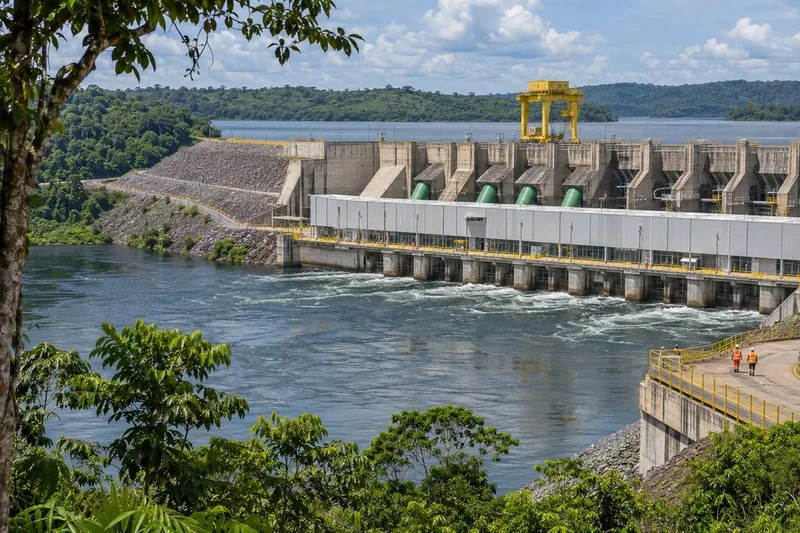
Owning Santos Brasil gives CMA CGM a key terminal in South America, but rival shipping lines may worry about using a terminal owned by a competitor.
The strongest counter-argument
A terminal customer may respond to reliability differences by padding schedules and adding spare time to an entire service. The cost can extend beyond the individual call at Santos. A more reliable window could permit a network redesign or reduce fuel needed to recover a late arrival, but those gains are not automatic. Demonstrate which sailing or resource would actually change. A few hours saved on paper are worth less if the next port appointment remains fixed. Financial reporting adds another distinction between acquisition and operation. A rise in the terminal earnings included in group accounts can follow the acquisition of control, even if the terminal handles exactly the same traffic as before. Assess operating progress against a comparable base reflecting the same business perimeter. Then examine the incremental contribution to the shipping network separately. The owner may benefit on both sides, but the same gain in time should not appear twice in the combined valuation. Control can change the consolidation perimeter before operations improve. Service neutrality is most valuable when slots are genuinely scarce.
Metrics to watch
- Tecon Santos volumes
- Third-party shipping line customers
Propose your solution
Pick a discussion question and set out what you would do, why, and what it would cost. Strong, well-argued answers are reviewed and published below with your first name and programme.
Published solutions
Loading published solutions…
- CMA CGM announces the proposed Santos Brasil stake (CMA CGM) ↗
- CMA CGM reports reaching a 51 percent majority holding (CMA CGM) ↗
- CMA CGM: Becomes majority shareholder with 51% stake in Santos Brasil ↗
- TradeWinds: CMA CGM to take over largest container terminal in South America ↗
- PortNews: CMA CGM to acquire a c.48% stake in Santos Brasil ↗
- Image: Simplifying Finance · AI-generated editorial illustration
Figures are as reported by the companies or cited outlets as of 22 November 2026. Check the source before quoting. Corrections: let us know through the solution form.