What happened
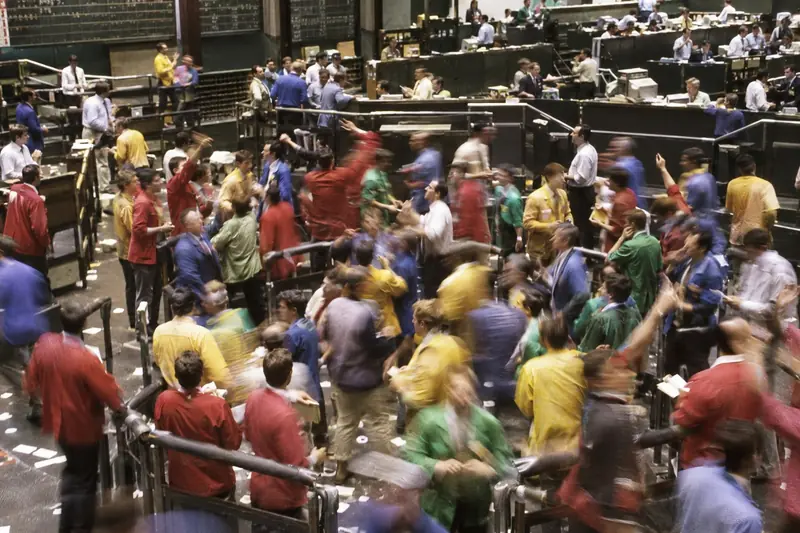
Credit Suisse did not fail because of one bad trade. It suffered a run of costly events, including the Greensill funds and the Archegos default, that eroded clients’ trust. FINMA described a crisis of confidence that showed up as large outflows of client money, intensified by the US bank failures of March 2023.
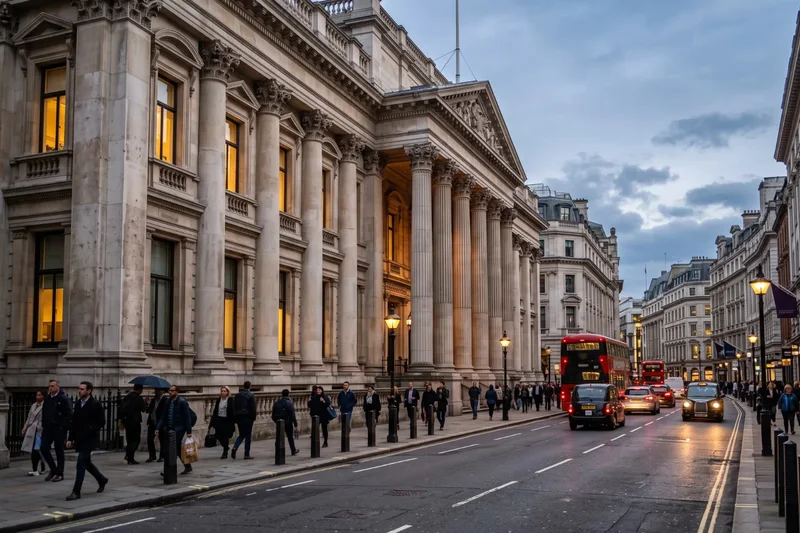
Over one weekend, Swiss authorities arranged a takeover by UBS, backed by public liquidity support. The deal’s most controversial feature was that holders of Additional Tier 1 (AT1) bonds, about CHF 16 billion, lost everything while shareholders received UBS shares. That inverted the usual order in which equity absorbs losses before debt, rattled the global AT1 market, and in October 2025 a Swiss court ruled that the write-off lacked a legal basis.
The lessonBanks run on confidence. Capital ratios can look adequate until depositors decide otherwise, and when the end comes, the legal terms of each security decide who loses first.
Key moments
Supply-chain finance funds linked to Greensill are frozen and the Archegos collapse inflicts multi-billion losses.
Losses and client outflows continue as the bank attempts a restructuring.
Credit Suisse announces access to up to CHF 50 billion of liquidity after US bank failures deepen the panic.
UBS agrees to take over Credit Suisse; FINMA orders all AT1 bonds written off.
Switzerland’s Federal Administrative Court rules the AT1 write-off lacked a legal basis; FINMA appeals.
For your seminar, paper or interview
- Q1
Why can a bank that meets its capital requirements still fail? Use Credit Suisse’s outflows to explain liquidity risk versus solvency risk.
- Q2
Was it fair to wipe out AT1 bondholders while shareholders received UBS stock? Argue both sides using the bonds’ contractual terms.
- Q3
UBS gained a rival at a fraction of book value but also became “too big to fail” for Switzerland. How should regulators respond?
- Liquidity versus solvency risk
- Capital structure and loss-absorption hierarchy
- Too-big-to-fail and resolution planning
Propose your solution
Pick a discussion question and set out what you would do, why, and what it would cost. Strong, well-argued answers are reviewed and published below with your first name and programme.
Published solutions
Loading published solutions…
- FINMA · approves merger of UBS and Credit Suisse (19 Mar 2023) ↗
- Swiss Federal Administrative Court · AT1 write-off judgment B-2334/2023 ↗
- Mondaq / Lenz & Staehelin · acquisition of Credit Suisse by UBS ↗
Figures are as reported in the cited sources. Check the source before quoting. Corrections: let us know through the solution form.