What happened
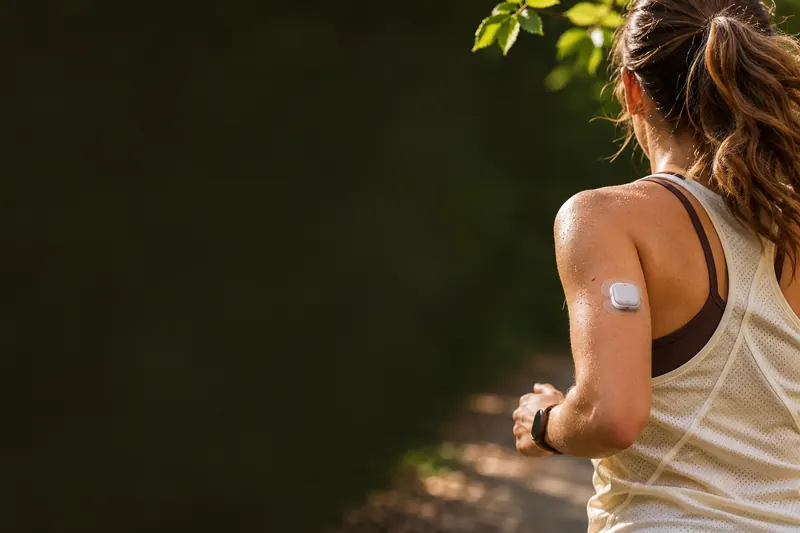
Dexcom built its reputation on accuracy for people with type 1 diabetes. Growth now depends on type 2 diabetes and wellness users, where price matters more and Abbott is strong.
Making millions of sensors with consistent quality is hard. The FDA warning letter showed weaknesses in processes at its plants. Fixing quality while scaling up is the key challenge for the new CEO.
The lessonScaling up a medical device means scaling up quality systems too.
Key moments
Dexcom is founded in San Diego.
Its first continuous glucose monitor is approved.
G6 and G7 sensors expand the market.
Stelo, an over-the-counter sensor for people not on insulin, launches.
An FDA warning letter cites manufacturing problems; the G7 15-day sensor is cleared.
For your seminar, paper or interview
- Q1
Why is quality management critical for a sensor maker?
- Q2
How should Dexcom compete with Abbott on price?
- Q3
Is the over-the-counter wellness market a big opportunity?
- Quality systems (21 CFR 820)
- Competitive strategy
- Market expansion
Propose your solution
Pick a discussion question and set out what you would do, why, and what it would cost. Strong, well-argued answers are reviewed and published below with your first name and programme.
Published solutions
Loading published solutions…
- Business Wire / BioSpace: Dexcom Q2 2025 ↗
- Panabee: Dexcom FDA warning and margins ↗
- inkl / Investor’s Business Daily: warning letter ↗
Figures are as reported in the cited sources. Check the source before quoting. Corrections: let us know through the solution form.