What happened
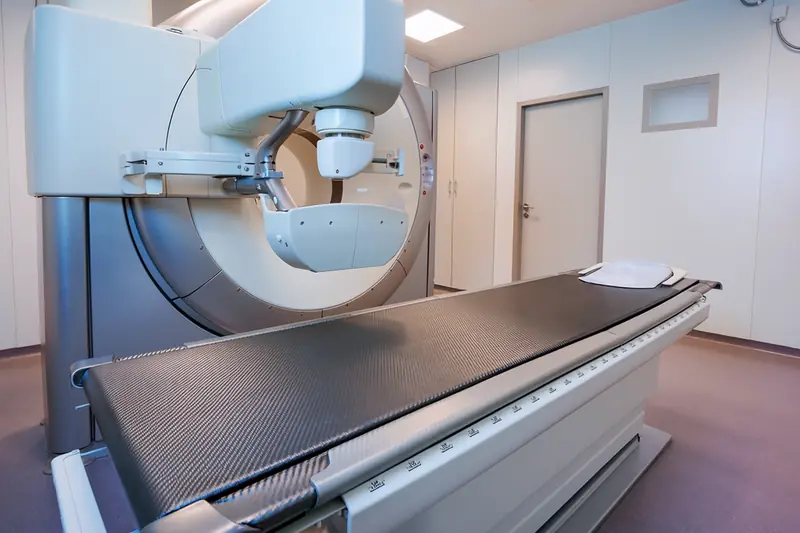
Radiotherapy machines cost millions and hospitals replace them every 10–15 years, so sales are lumpy. Varian, now backed by Siemens, has greater scale and software.
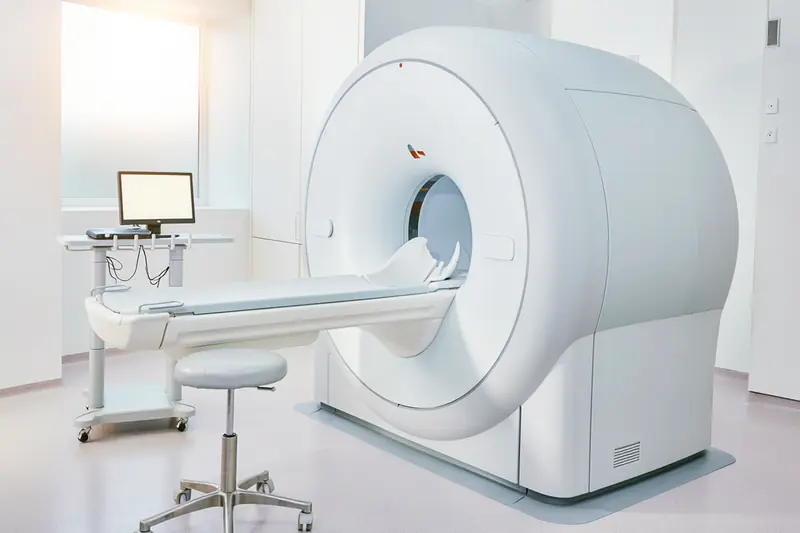
Unity lets doctors adapt each treatment to the tumour’s shape that day, and studies show fewer side effects. But each session takes longer and the machine is costly, limiting adoption.
The lessonA technically superior product needs evidence, workflow fit and price to beat a larger rival.
Key moments
Neurosurgeon Lars Leksell founds Elekta around the Gamma Knife.
Elekta acquires Philips’ radiotherapy business.
Unity MR-Linac gains CE marking and FDA clearance.
Siemens Healthineers completes its purchase of Varian.
Elekta restructures and studies show Unity benefits.
For your seminar, paper or interview
- Q1
How does Siemens’ ownership of Varian change competition?
- Q2
Why is Unity adoption slow?
- Q3
Should Elekta focus on niches or compete broadly?
- Technology adoption
- Competitive scale
- Capital equipment cycles
Propose your solution
Pick a discussion question and set out what you would do, why, and what it would cost. Strong, well-argued answers are reviewed and published below with your first name and programme.
Published solutions
Loading published solutions…
- Elekta: Unity improves urinary symptoms ↗
- ITN: Elekta Unity pancreatic outcomes ↗
- Quartr: Elekta investor updates ↗
Figures are as reported in the cited sources. Check the source before quoting. Corrections: let us know through the solution form.