What happened
First Republic offered low fixed-rate mortgages to keep wealthy clients. When interest rates rose sharply, those loans lost value.
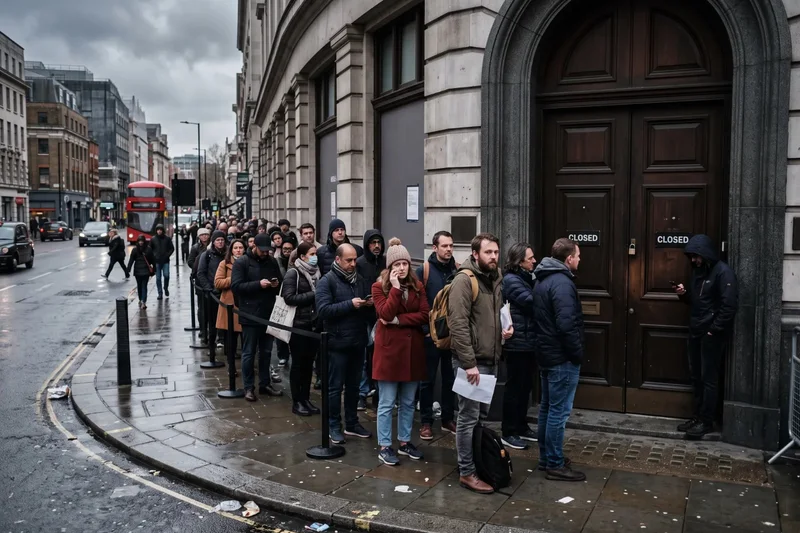
Many depositors held far more than the $250,000 insured limit, so they had reason to move money fast at the first sign of trouble. Mobile banking made withdrawals instant.
A private rescue by big banks bought time but did not fix the losses. A government-arranged sale ended the crisis.
The case shows how interest-rate risk and uninsured deposits can combine in a modern, fast-moving bank run.
The lessonWhen most deposits are uninsured and assets have lost value, confidence can vanish in days.
Key moments
Jim Herbert founds First Republic in San Francisco.
It becomes independent again after a Merrill Lynch era.
Low-rate mortgages to wealthy clients surge.
SVB fails; big banks deposit $30bn to support First Republic.
Results reveal the deposit flight.
Regulators seize it; JPMorgan buys it.
For your seminar, paper or interview
- Q1
Why did rising rates hurt First Republic?
- Q2
Why are uninsured deposits risky for a bank?
- Q3
How did SVB’s failure spread?
- Q4
Was JPMorgan’s purchase good for the system?
- Interest-rate risk
- Bank runs
- Contagion
- Deposit insurance
Propose your solution
Pick a discussion question and set out what you would do, why, and what it would cost. Strong, well-argued answers are reviewed and published below with your first name and programme.
Published solutions
Loading published solutions…
Figures are as reported in the cited sources. Check the source before quoting. Corrections: let us know through the solution form.