What happened
The Philippines is one of the most flood-prone countries in the world. Typhoons, heavy monsoon rains and rising seas regularly flood cities and farmland, killing people, destroying homes and disrupting business. Flood control, including dikes, river walls, drainage and pumping stations, is a major government priority.
Infrastructure spending rose sharply in the past decade under the Build, Build, Build programme and its successors, with the government aiming to spend 5 to 6% of GDP on infrastructure each year. The Department of Public Works and Highways, DPWH, handles most of this spending. Its budget makes up nearly a fifth of the national budget, and flood control is a large part of it.
In mid-2025, after severe flooding in Metro Manila and nearby provinces, President Marcos criticised flood control projects in his State of the Nation Address and ordered an investigation. He inspected an unfinished project in Bulacan in August 2025. Investigations by the executive branch, Senate, House and audit commission followed.
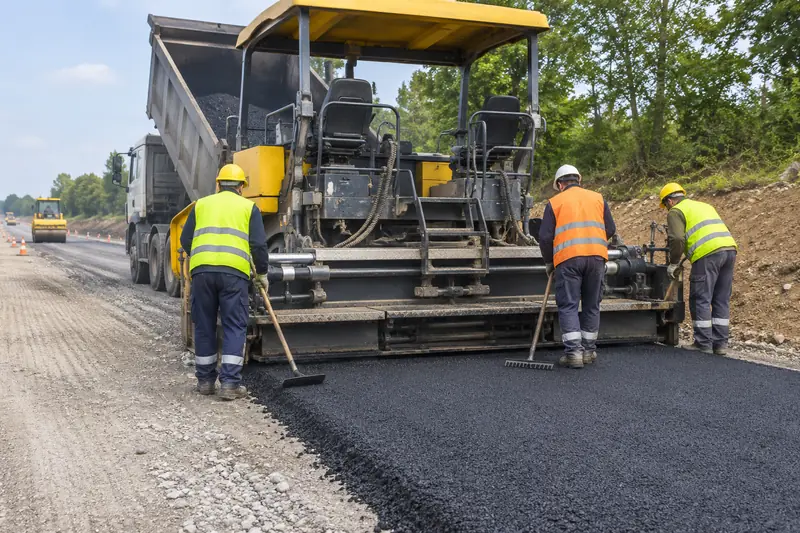
The findings were shocking. Inspections found ’ghost’ projects that had been fully paid but did not exist, as well as substandard construction. By October 2025 the public works secretary reported that 421 of 8,000 inspected flood control projects were ghost projects. By December, after inspecting more projects, the number had reached 673.
Investigations also found that contracts had been repeatedly awarded to a small group of contractors, some with links to politicians. Lawmakers were accused of inserting projects into the budget for kickbacks. Several officials and contractors were charged and arrested.
The finance department estimated that corruption in flood control projects caused economic losses of ₱42.3 billion to ₱118.5 billion from 2023 to 2025. A senator later estimated that about ₱180 billion may have been lost to ghost projects since 2016, extrapolating from the share of ghost projects found.
The scandal hit the economy directly. To prevent further abuse, the government froze and reviewed many public works projects. Infrastructure spending dropped, removing an important driver of growth. GDP growth slowed to 4.0% in the third quarter of 2025, a multi-year low. The economic planning secretary later said growth averaged 5.5% in the first half but slumped to about 3.5% afterwards, preventing the country from meeting its 2025 target.
Confidence also suffered. Investors and consumers worried about governance. The stock market had its worst year since 2013, and foreign investors sold heavily. The Asian Development Bank warned that the probe added to growth risks, and a credit rating agency cut its growth forecast sharply.
Large protests against corruption took place in late 2025, reflecting public anger that money meant to protect communities from floods had been stolen.
Economists distinguish between the direct cost of corruption, the money stolen, and the indirect costs: lost protection from floods, damage from disasters that working infrastructure would have prevented, lower confidence and delayed investment. These indirect costs can be much larger.
The scandal also shows how corruption affects fiscal multipliers. When government spending is stolen or wasted, it creates little real economic activity. Well-executed public investment can raise growth for years; poorly executed spending does not.
Reforms proposed included stronger audits, transparent project data, independent inspection, limits on budget insertions and better procurement systems. Technology, such as geotagging and satellite imagery to verify projects, can help.
The case connects to other Philippine stories in this series: the slump in the stock market, the slowdown in infrastructure and debates over the budget.
For other countries, it is a reminder that infrastructure spending only helps growth if money reaches real projects of good quality.
For students, the flood control scandal is a study in governance, public investment efficiency, macroeconomic effects of corruption and institutional reform.
The scandal also highlights the value of transparency in procurement. When project lists, contract awards, contractor names and payment records are published in usable form, journalists, citizens and auditors can spot suspicious patterns, such as the same contractor winning many contracts or payments for projects that cannot be found on satellite images.
For businesses, governance failures in public spending create uncertainty. Contractors face investigations, suppliers face delays and investors in infrastructure-related companies face policy risk. The longer the uncertainty lasts, the more investment is delayed, which is why quick, credible accountability matters for the economy as well as for justice.
Ultimately, the biggest cost falls on families living in flood-prone areas, who were promised protection that never arrived. Rebuilding trust will require visible results: completed projects, transparent spending and convictions of those responsible.
Students should ask which safeguard failed first, and why.
Key moments
Flood control spending rises sharply.
President criticises flood control projects in SONA.
Inspections and investigations begin.
DOF estimates up to ₱118.5bn economic loss.
GDP growth falls to 4.0%.
673 ghost projects identified; arrests made.
Sources: Gulf News reporting of DPWH and Senate figures.
The trade-offs at the heart of the case
Speed vs. control
Fast spending, weak oversight.
Freezing projects vs. growth
Stopping fraud slowed the economy.
Politics vs. accountability
Budget insertions by lawmakers.
For your seminar, paper or interview
- Q1
How did ghost projects go undetected?
- Q2
Why did the scandal slow GDP growth?
- Q3
What are the direct and indirect costs of corruption?
- Q4
How can technology help verify public works?
- Q5
What reforms would prevent a repeat?
- Public investment management
- Fiscal multipliers
- Governance
- Institutional reform
How we would approach it
Simplifying Finance’s opinion, offered as a starting point for debate, not as fact or investment advice.
The scandal shows that infrastructure spending is only as good as its governance. Transparent project data, independent audits and accountability are essential to restore growth and trust.
Publish project data
Show locations, contractors and progress online.
Verify independently
Use satellite and on-site checks.
Limit insertions
Reform budget processes.
Prosecute consistently
Hold officials and contractors accountable.
What this plan gives up
Stricter controls can slow legitimate projects in the short term.
The strongest counter-argument
Some argue the economic slowdown was worsened by an overly broad freeze on spending rather than corruption itself.
Metrics to watch
- Prosecutions
- Infrastructure spending recovery
- GDP growth
- Investor confidence
- Budget reforms
Propose your solution
Pick a discussion question and set out what you would do, why, and what it would cost. Strong, well-argued answers are reviewed and published below with your first name and programme.
Published solutions
Loading published solutions…
- BusinessWorld: Economic losses from anomalous flood control projects up to P119 billion ↗
- Gulf News: 673 ghost flood projects ↗
- Daily Tribune: Corruption dragged PHL GDP below target ↗
- Inquirer: ADB says corruption probe adds to growth risks ↗
Figures are as reported by the companies or cited outlets as of 22 November 2026. Check the source before quoting. Corrections: let us know through the solution form.