What happened
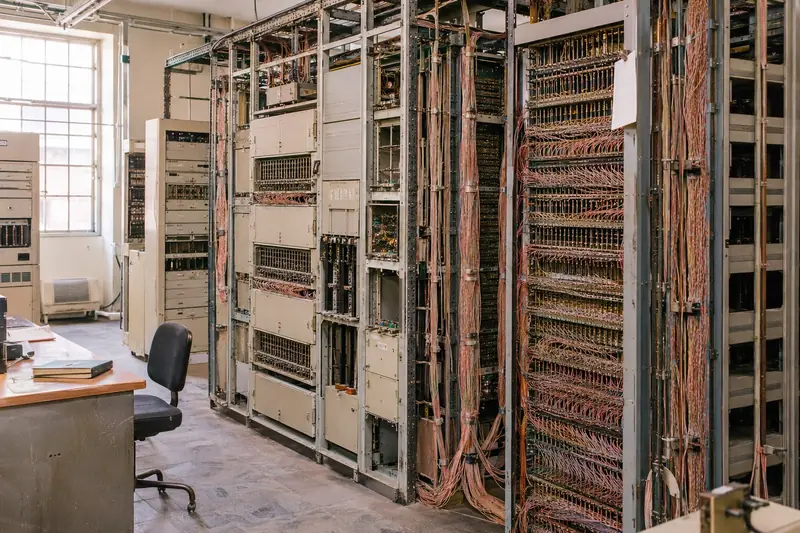
Investors believed internet traffic would grow without limit. Dozens of companies built competing fibre networks financed with debt.
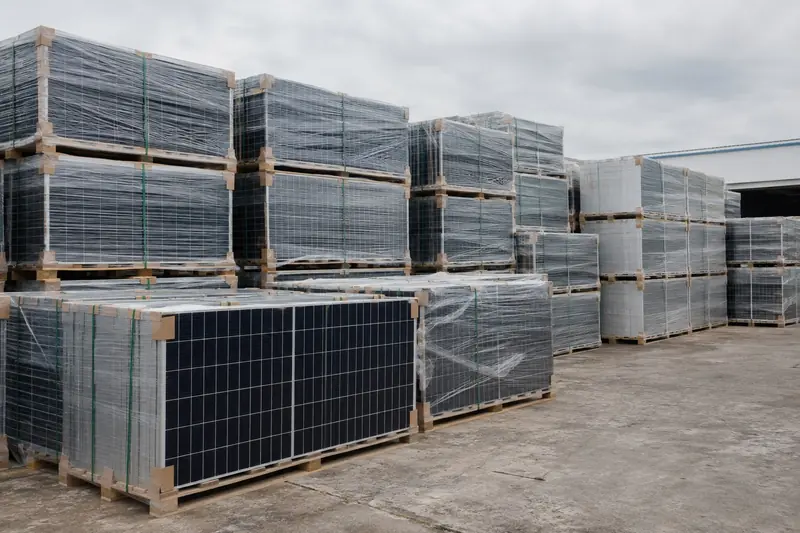
Capacity far outpaced demand. Prices fell, revenues dried up and indebted builders collapsed. Much of the fibre later became cheap infrastructure for the next internet boom.
The lessonRight about the trend, wrong about the price: overbuilding can ruin investors even when demand grows.
Key moments
Global Crossing is founded to build undersea cables.
It buys Frontier and reaches peak valuation.
Telecom prices collapse as fibre capacity floods the market.
It files for bankruptcy.
For your seminar, paper or interview
- Q1
Why did so many firms build the same thing?
- Q2
Who benefited from the bust?
- Q3
Are there parallels with AI data centres today?
- Capital cycle
- Overcapacity
- Leverage
Propose your solution
Pick a discussion question and set out what you would do, why, and what it would cost. Strong, well-argued answers are reviewed and published below with your first name and programme.
Published solutions
Loading published solutions…
Figures are as reported in the cited sources. Check the source before quoting. Corrections: let us know through the solution form.