What happened
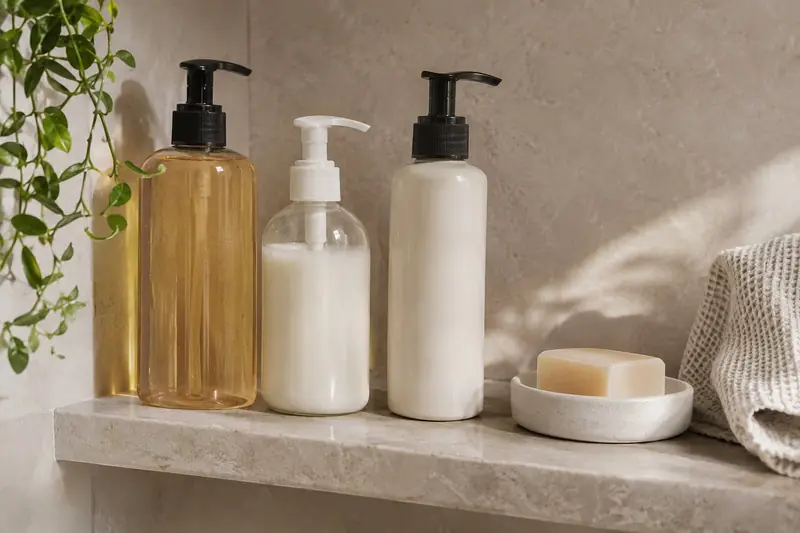
HUL’s strength was distribution into millions of small shops and big TV advertising. New brands like Mamaearth and Minimalist used social media and online sales to reach consumers directly.
Quick-commerce apps let shoppers discover new brands instantly, weakening the advantage of shelf space in local stores.
HUL responded by buying a fast-growing D2C brand, shifting marketing to influencers and digital, creating a quick-commerce unit and focusing on premium products. Spinning off ice cream sharpens its focus.
The case shows how a dominant incumbent adapts when its traditional advantages weaken.
The lessonWhen the channel shifts, the incumbent’s distribution advantage shrinks — it must buy, build or partner to keep up.
Key moments
Lever Brothers starts in India.
Hindustan Lever is formed.
It is renamed Hindustan Unilever.
HUL completes its GSK Consumer merger (Horlicks).
Minimalist acquired; Pureit sold; ice-cream demerger approved.
Kwality Wall’s ice cream is demerged.
For your seminar, paper or interview
- Q1
Why have D2C brands grown so fast in India?
- Q2
How does quick commerce change FMCG competition?
- Q3
Was buying Minimalist a smart move?
- Q4
Why demerge ice cream?
- Disruptive innovation
- Channel strategy
- Acquisition vs build
- Portfolio strategy
Propose your solution
Pick a discussion question and set out what you would do, why, and what it would cost. Strong, well-argued answers are reviewed and published below with your first name and programme.
Published solutions
Loading published solutions…
- HUL: results for quarter ended Dec 2025 ↗
- Groww: HUL Q4 FY25 results ↗
- Storyboard18: ice-cream listing target ↗
- Basis Point: consumption boom passing HUL by ↗
Figures are as reported in the cited sources. Check the source before quoting. Corrections: let us know through the solution form.