What happened
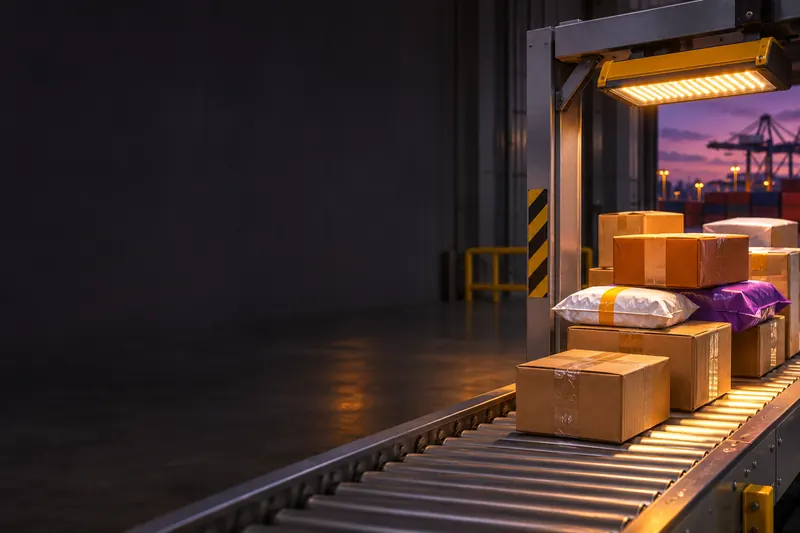
JD’s self-run logistics delivers most orders the same or next day and wins customers’ trust for electronics and appliances. Its retail business earns steady, thin margins.
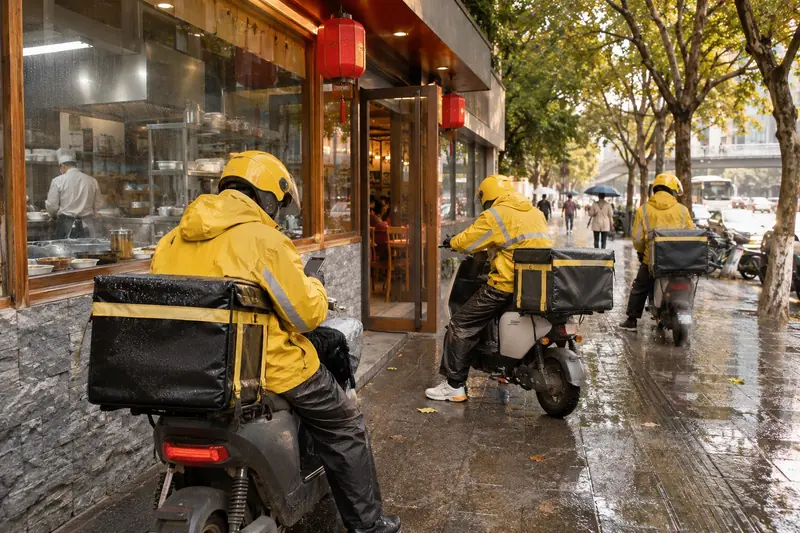
Seeking growth as China’s consumers slowed, JD entered food delivery with heavy subsidies and benefits for riders. It gained share but lost billions, and the founder still controls most votes.
The Ceconomy deal would give JD MediaMarkt and Saturn stores across Europe — a way to expand abroad through an established retailer. JD plans to cut food-delivery spending in 2026.
The case shows the trade-off between protecting profits in a core business and paying for new growth.
The lessonUsing profits from a core business to fund new battles can win growth — or simply destroy value.
Key moments
Richard Liu starts selling electronics from a Beijing stall.
JD moves online after SARS closes stores.
It begins building its own logistics network.
JD lists on Nasdaq.
JD launches food delivery with zero commissions.
It agrees to buy a controlling stake in Ceconomy.
For your seminar, paper or interview
- Q1
Why did JD build its own logistics network?
- Q2
Was entering food delivery a good use of capital?
- Q3
What could JD gain from buying Ceconomy?
- Q4
How does founder control affect strategy?
- Vertical integration
- Diversification
- International expansion
- Corporate governance
Propose your solution
Pick a discussion question and set out what you would do, why, and what it would cost. Strong, well-argued answers are reviewed and published below with your first name and programme.
Published solutions
Loading published solutions…
- JD.com: Q4 and full-year 2025 results ↗
- Deep News via Tiger: strategic losses ↗
- Panabee: net income and Ceconomy stake ↗
- KrASIA: new businesses deepen losses ↗
Figures are as reported in the cited sources. Check the source before quoting. Corrections: let us know through the solution form.