What happened
JTC reports capacity of about 1.47 million cubic metres and surface land savings of about sixty hectares. Underground storage is unusually location-specific. Excavation creates a durable structure that cannot be moved to a more profitable industrial cluster. It makes financial sense only if the surrounding users, berths and pipelines can turn that structure into a useful service.
The first two caverns were ready at the 2014 opening, with the rest of phase one completed in 2017. A tank user considering a multiyear commitment would have evaluated the volume available when its supply contract began. Using the ultimate storage capacity to calculate revenue from opening day produces a fictitious period of income. Using the initial capacity throughout the asset’s life makes the opposite error.
Land released for another purpose has an opportunity value even if JTC never sells it. The value is the discounted benefit of the best feasible alternative use, after paying to prepare and serve that land. Counting a headline industrial land price and the entire profit of a future tenant would count overlapping benefits. Conversely, valuing the land at an old accounting cost would largely ignore the point of building underground.
The product must also travel between ship, cavern and industrial user. An inexpensive storage charge is of little help if pipeline access is restricted when a cargo arrives. Assess bottlenecks in the complete handling chain before comparing underground and surface capacity. Where storage and transport belong to different operators, the contract rights at the connection points can determine who captures the benefit of a technically excellent facility.
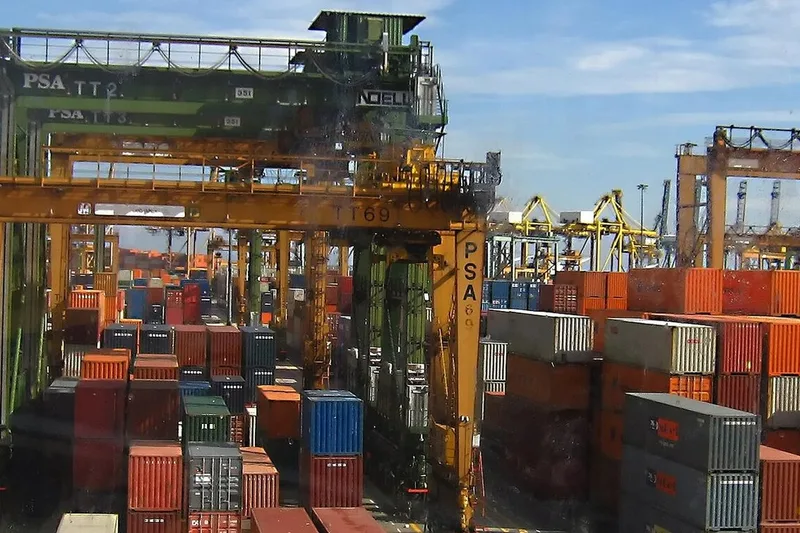
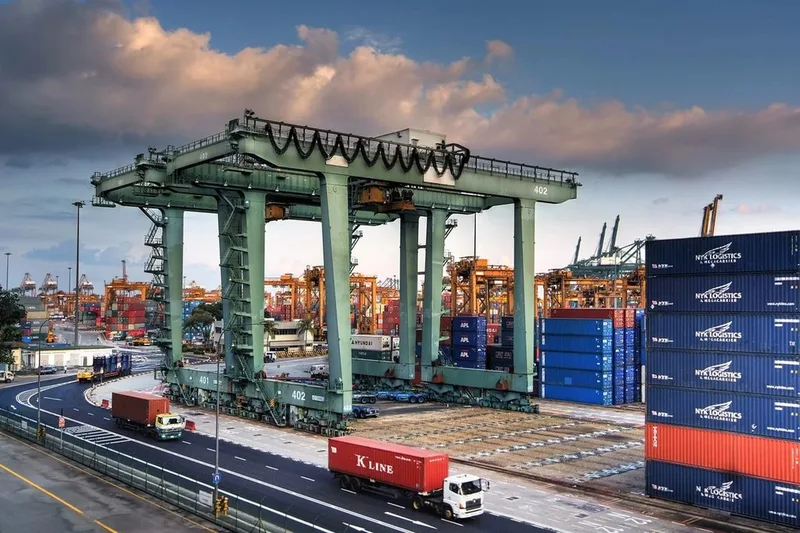
The Jurong Rock Caverns, officially opened on 2 September 2014, are Southeast Asia’s first commercial underground storage for liquid hydrocarbons. They lie about 150 metres below Jurong Island, Singapore’s energy and chemicals hub. Phase one has five caverns, each about 340 metres long and nine storeys high, with total capacity of 1.47 million cubic metres, about 9 million barrels of crude oil, condensate, gas oil and naphtha.
The project took about six years of planning and eight years of construction, employed about 1,700 workers and cost S$950 million. Building underground was more expensive than building tanks on the surface, but it freed about 60 hectares of land, roughly 84 football pitches. A possible second phase would add caverns with about 1.32 million cubic metres more, depending on demand for the first phase.
For any land-scarce economy, the case shows how the cost of land changes the best engineering choice. Where land is cheap, surface tanks are the obvious option. Where it is very scarce, as on Jurong Island, the value of land saved can justify a more expensive solution. Analysts compare the extra construction cost with the present value of what the freed land can earn, a standard opportunity-cost calculation.
Underground caverns also have operating advantages. Rock keeps temperatures stable, reducing evaporation, and the facility is protected from weather and many security risks. JTC owns the caverns and leases storage to companies on Jurong Island, giving them space close to refineries and chemical plants without using land those plants need to expand.
Key moments
Singapore officially opened the caverns with part of the first phase ready.
Completion of the first phase brought the five caverns into the development.
Storage capacity: 1.47m m³, about 9 million barrels. Sources: JTC; Straits Times; SBS.
The trade-offs at the heart of the case
A hectare with an address
Identify the surface parcel that underground storage makes available and follow it through planning and service connections. A plot accessible to pipelines and a berth may be unusually valuable to a specialist tenant. A plot with no immediate road access can remain idle. Value each realistic alternative at the date it can begin operating, with preparation costs included. Sixty hectares is a measurement of area, not an immediate cash inflow. At the end of a storage contract, the incumbent tenant may value renewal more than a new user does because its pipes and operations are already arranged around the cavern. This can strengthen the landlord’s hand in negotiations, but only if the tenant has few realistic alternatives. A contract that prices every renewal at an optimistic market rate may encourage the tenant to build optionality elsewhere. Consider asking for a longer initial commitment in return for a transparent renewal formula. That trades some speculative future upside for a more dependable return on a very immobile asset.
For your seminar, paper or interview
- Q1
Which use of the released land belongs in the appraisal?
- Q2
Why might a cubic metre of underground space earn less than one in a small tank?
- Q3
How does delayed development above ground change the investment case?
- Q4
How would you test whether rising rents elsewhere on Jurong Island explains the evidence?
- Q5
Which observation would most change your estimate of the opportunity cost of surface land, and why?
- Opportunity cost of land
- Make-or-buy for infrastructure
- Industrial clusters
- Lifecycle costing
How we would approach it
Simplifying Finance’s opinion, offered as a starting point for debate, not as fact or investment advice.
Ask prospective storage users about product compatibility, tank size and access to pipelines. A large total volume may be commercially awkward if it cannot be divided into the compartments customers need. Tie projected land benefits to realistic industrial development schedules, with a separate allowance for parcels that remain unused for years.
Price the land saved
Compare the extra cost of building underground with the value of 60 hectares freed for other industrial uses.
Fill capacity with anchor users
Sign long-term storage contracts with refiners and traders before committing to further phases.
Keep phase two optional
Expand only if demand for phase one proves strong.
What this plan gives up
Underground storage costs more to build than tanks on the surface, but it frees scarce land for higher-value uses, a trade-off that makes sense only where land is very expensive.
The strongest counter-argument
Surface tanks are easier to build incrementally and may be less costly to reconfigure. That flexibility matters if the products being stored change. The underground project has a stronger claim where demand is durable and where other productive uses of scarce surface plots are close to becoming real.
Metrics to watch
- net value of its next feasible use
- the opportunity cost of surface land
- Storage utilisation
- Land prices on Jurong Island
Propose your solution
Pick a discussion question and set out what you would do, why, and what it would cost. Strong, well-argued answers are reviewed and published below with your first name and programme.
Published solutions
Loading published solutions…
- JTC · Jurong Rock Caverns facility profile ↗
- Prime Minister’s Office · Opening of the caverns ↗
- Singapore Government · First-phase completion and land released ↗
- JTC: Jurong Rock Caverns ↗
- PMO: PM Lee at the opening of Jurong Rock Caverns ↗
- The National: Journey to a cavernous future for oil ↗
- Photo: Jurong Island, Singapore - 20110227-01.jpg by Jacklee, CC BY-SA 3.0 (cropped and resized) ↗
Figures are as reported by the companies or cited outlets as of 22 November 2026. Check the source before quoting. Corrections: let us know through the solution form.