What happened
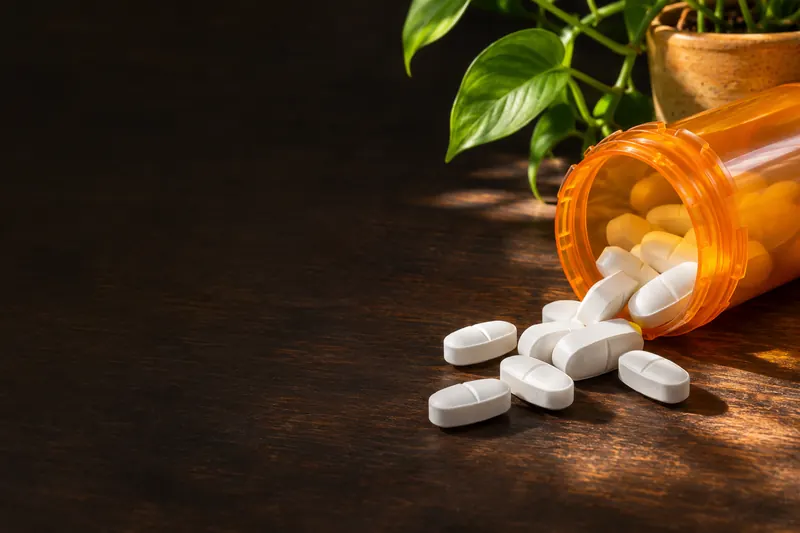
Both companies made or marketed opioids and faced thousands of lawsuits. Bankruptcy let them settle claims and cut debt, with creditors becoming owners.
Merging gave scale and cost savings. Separating the generics business lets each part focus — but the companies still carry reputational damage.
The lessonLegal liabilities can bankrupt a company; restructuring and mergers can give survivors a second chance.
Key moments
Endo withdraws its opioid Opana ER at the FDA’s request.
Mallinckrodt files for bankruptcy.
Endo files for bankruptcy with about $8bn of debt.
Mallinckrodt and Endo complete their merger.
Par Health is spun off; the rest becomes Keenova.
For your seminar, paper or interview
- Q1
How did opioid litigation lead to bankruptcy?
- Q2
Why merge two weakened companies?
- Q3
Who owns a company after bankruptcy?
- Bankruptcy restructuring
- Litigation risk
- Merger synergies
Propose your solution
Pick a discussion question and set out what you would do, why, and what it would cost. Strong, well-argued answers are reviewed and published below with your first name and programme.
Published solutions
Loading published solutions…
- RTÉ: Mallinckrodt and Endo complete merger ↗
- Fierce Pharma: rebrand as Keenova ↗
- Pharmaphorum: Mallinckrodt rebrands ↗
Figures are as reported in the cited sources. Check the source before quoting. Corrections: let us know through the solution form.