Skip to content
All case studies
Short case · PharmaBiotech · Cell therapy2004–2026Last reviewed 16 November 2026

Australia case studiesAsia-Pacific case studiesPharma case studies

Mesoblast

Mesoblast: a decade-long fight for FDA approval

Australian company Mesoblast developed Ryoncil, a stem-cell therapy for children with a severe transplant complication. After FDA rejections in 2020 and 2023, it was approved in December 2024.

Suggested for: Regulation · Persistence · 6-minute read

Founded2004Melbourne
ProductRyoncilRemestemcel-L
FDA rejections2020, 2023
ApprovalDec 2024Children with SR-aGVHD
01 · The situation

What happened

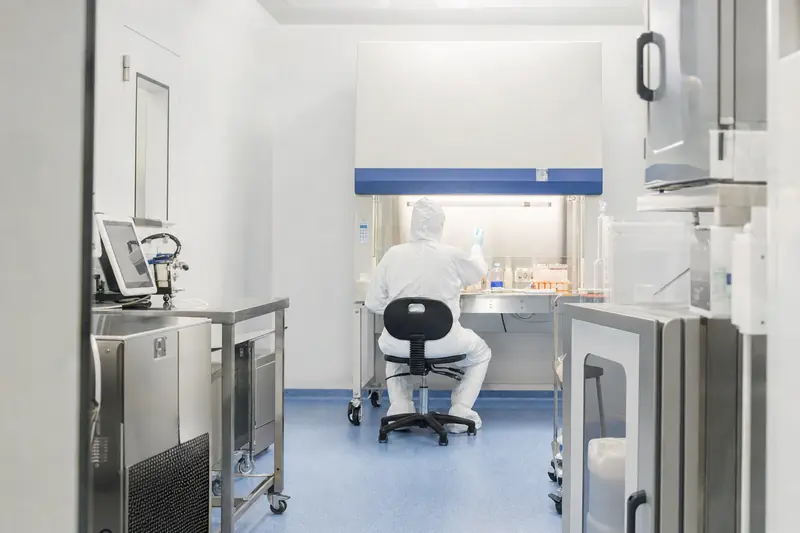
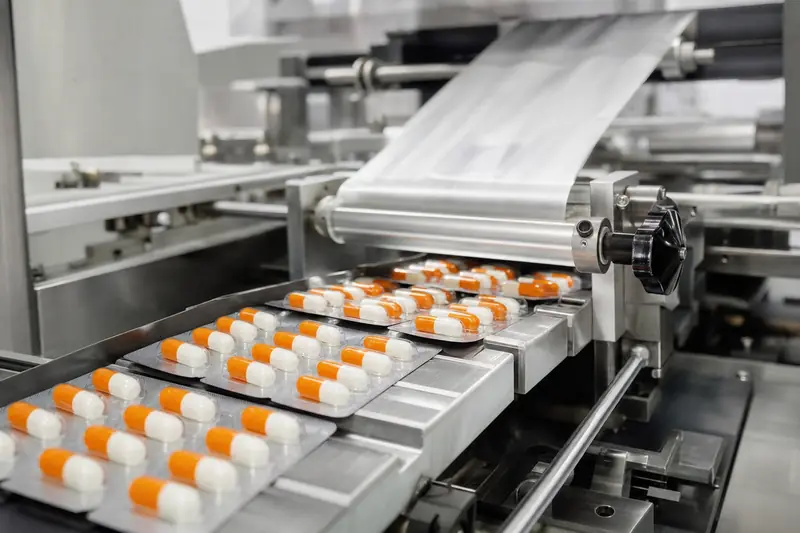
Regulators questioned whether trial data proved the therapy works and whether manufacturing was consistent.

Mesoblast kept raising money and resubmitting until approval.

The lessonIn cell therapy, proving consistent manufacturing is as important as efficacy.

02 · Timeline

Key moments

  1. Mesoblast is founded.

  2. FDA rejects Ryoncil.

  3. Second rejection.

  4. FDA approval.

03 · Discussion questions

For your seminar, paper or interview

  1. Q1

    Why did the FDA reject Ryoncil twice?

  2. Q2

    How did Mesoblast survive?

  3. Q3

    What does approval mean for cell therapy?

Frameworks worth applying
  • Regulatory strategy
  • Manufacturing consistency
  • Funding
04 · Your turn

Propose your solution

Pick a discussion question and set out what you would do, why, and what it would cost. Strong, well-argued answers are reviewed and published below with your first name and programme.

Submissions are moderated and must relate to this case. Your name, programme and text are stored on our hosting provider and may be published; no email address is collected. Please don’t include personal contact details or confidential information.

Published solutions

Loading published solutions…

Sources

Figures are as reported in the cited sources. Check the source before quoting. Corrections: let us know through the solution form.