What happened
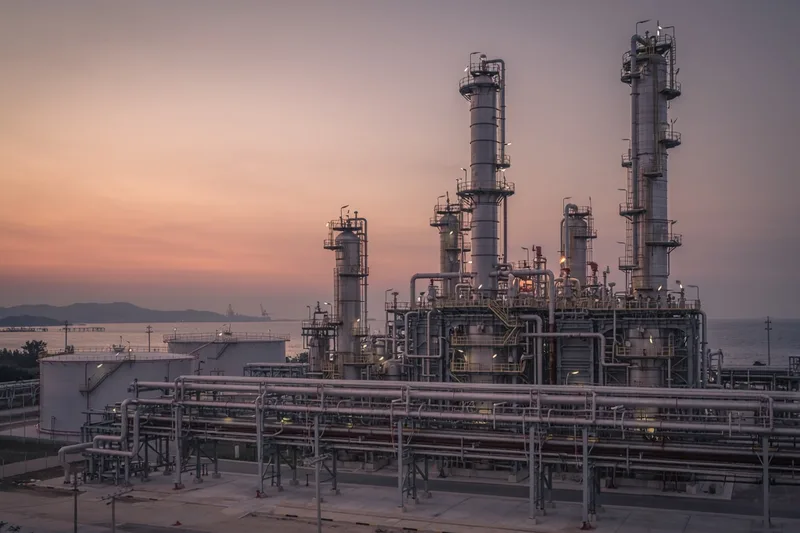
NAIA is the Philippines’ main international gateway, serving Metro Manila’s population of about 14 million and millions of overseas Filipino workers. Its terminals were congested, outdated and prone to failures. On New Year’s Day 2023 a power and air-traffic system outage grounded flights and stranded tens of thousands of travellers.
Governments had tried to fix NAIA for about 30 years. In 2024 the Department of Transportation awarded a public–private partnership (PPP) to a consortium led by San Miguel Corporation, with Incheon International Airport Corporation of South Korea as operator partner. The group, now called New NAIA Infra Corp (NNIC), won by offering the government 82.16% of gross revenue, plus an upfront ₱30 billion payment and ₱2 billion a year.
NNIC took over on 14 September 2024 with a ₱170.6 billion, 15-year concession, extendable to 25 years. It promised quick fixes such as new toilets, seating, air conditioning and internet, and longer-term upgrades to raise terminal capacity from about 35 million to 62 million passengers a year and air traffic movements from 30–40 to 48 per hour.
The deal allowed fee increases from the second year. From 14 September 2025 the passenger service charge for international departures rose from ₱550 to ₱950, and for domestic departures from ₱200 to ₱390, the first adjustment in about 20 years. Landing, parking and other airline charges also rose. Airlines and consumer groups protested; NNIC said rates were set by the government and remained among the lowest in Asia.
By late 2025 NNIC reported improvements, including e-gates that clear passengers in about 20 seconds, new food halls and shuttle buses, while the government expected about ₱911 billion over the concession. Critics questioned whether such a high revenue share leaves enough money for investment without further fee rises.
The case examines how PPPs allocate risk and reward among government, private operators and users.
In a PPP, the government keeps ownership of an asset but hands operation and investment to a private company for a set period. The private partner earns revenue from users and must meet performance standards. Done well, PPPs bring private capital and management skill; done poorly, they can lead to high charges, underinvestment or disputes.
The revenue-sharing structure is unusual. Because the government takes 82% of gross revenue, NNIC must fund operations and investment from the remaining 18% plus non-aeronautical income such as retail, food and parking. That creates strong incentives to grow passenger numbers and commercial revenue, and possibly to push for higher fees.
Airport charges ultimately flow to passengers through ticket prices. For overseas Filipino workers, many of whom fly frequently, even modest fee increases add up.
Other countries offer comparisons. Many airports, from London Heathrow to Sydney and several in India, have been privatised or run under long concessions. Results vary: some delivered major improvements, while others faced criticism for high charges and profit-taking. Independent economic regulation, where a separate agency reviews charges and service quality, is common in well-run systems.
NAIA will also face competition from the planned New Manila International Airport in Bulacan, being built by San Miguel itself. That creates an unusual situation in which the same group is involved in both the old and new gateways, raising questions about how traffic will be shared.
Key moments
Manila International Airport opens.
Major outage grounds flights.
PPP concession signed.
NNIC takes over NAIA.
Terminal fees rise.
Upgrades and e-gates rolled out.
Sources: GMA News; Inquirer.
The trade-offs at the heart of the case
Government revenue vs. investment
High revenue share limits money for upgrades.
Service quality vs. affordability
Better facilities cost passengers more.
Private profit vs. public interest
Operators answer to shareholders; airports are national assets.
For your seminar, paper or interview
- Q1
Why did the government choose a PPP for NAIA?
- Q2
How does the 82% revenue share affect NNIC’s incentives?
- Q3
Are the fee increases justified?
- Q4
How should performance be measured and enforced?
- Q5
What lessons can other countries learn from NAIA’s privatisation?
- Public–private partnerships
- Regulated pricing
- Incentive design
- Infrastructure finance
How we would approach it
Simplifying Finance’s opinion, offered as a starting point for debate, not as fact or investment advice.
Privatisation was needed to fix NAIA, but the contract’s high revenue share creates pressure for further fee rises. Clear, published performance targets and an independent regulator would protect passengers while giving NNIC confidence to invest.
Publish service metrics
Report queue times, delays and passenger satisfaction regularly.
Tie fees to performance
Allow increases only when targets are met.
Grow non-aero revenue
Expand retail, dining and property income.
Plan with new airports
Coordinate with the Bulacan airport to manage demand.
What this plan gives up
Linking fees to performance adds regulatory complexity and may slow investment.
The strongest counter-argument
Some argue the government should have accepted a lower revenue share in exchange for lower fees, prioritising affordability over fiscal income.
Metrics to watch
- Passenger satisfaction rankings
- Capacity and on-time performance
- Fee adjustments
- Investment delivered
- Commercial revenue
Propose your solution
Pick a discussion question and set out what you would do, why, and what it would cost. Strong, well-argued answers are reviewed and published below with your first name and programme.
Published solutions
Loading published solutions…
- GMA News: NAIA terminal fee hike starts September 14, 2025 ↗
- The Star: Manila airport ranked world’s worst, can privatisation deliver? ↗
- Rappler: NAIA terminal fee hike after privatization ↗
- Philstar: Happy New Year, NAIA ↗
Figures are as reported by the companies or cited outlets as of 22 November 2026. Check the source before quoting. Corrections: let us know through the solution form.