What happened
Nickel is used mainly in stainless steel and increasingly in batteries for electric vehicles. Indonesia and the Philippines hold large deposits of laterite nickel ore. Indonesia banned raw ore exports in 2020 and built a huge smelting industry, mostly with Chinese investment, becoming the world’s dominant nickel producer.
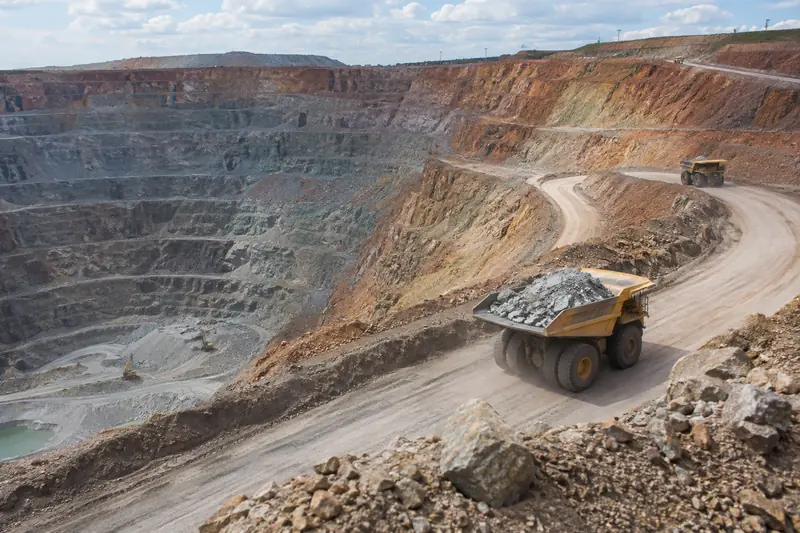
The Philippines, by contrast, mainly exports raw ore, about 45 million wet metric tonnes in 2024, mostly to China and increasingly to Indonesia. Nickel Asia Corporation (NAC), led by the Zamora family, is the country’s largest nickel miner, with mines in Surigao, Palawan and elsewhere.
Indonesia’s rapid expansion flooded the market and pushed nickel prices down in 2023–2024, hurting miners worldwide. In 2025 Indonesia tightened its mining quota system, known as RKAB, limiting ore output. Indonesian smelters needed more imported ore, and Philippine ore prices rose sharply.
NAC benefited strongly. In 2025 its ore exports rose 13% to 10.93 million wet metric tonnes and average prices rose 32% to US$36.14 per tonne. Net income roughly quadrupled to ₱6.27 billion and EBITDA rose 56% to ₱13.75 billion. In 2026 profit continued to grow as Indonesian supply stayed tight.
In February 2025 the Philippine Senate passed a bill that would ban raw nickel ore exports by 2030 to encourage local processing, mirroring Indonesia. Miners opposed it, arguing the country lacked cheap power and infrastructure for smelters. In June 2025 the provision was removed from the final mining law.
The case examines commodity dependence, trade policy and whether resource-rich countries should export raw materials or process them at home.
Adding value through processing can create jobs and higher export earnings, as Indonesia’s experience shows. But smelters need huge investment, reliable cheap electricity and technical expertise. Indonesia’s success relied on Chinese capital and coal power, which also raised environmental concerns.
For NAC, profits depend heavily on decisions in Jakarta and Beijing. A policy change in Indonesia can raise or lower Philippine ore prices quickly. Diversification, such as NAC’s investments in renewable energy, can reduce dependence on one commodity.
Environmental and community issues also matter. Mining affects forests, rivers and coastal areas, and local communities often demand stronger protections and a fairer share of benefits.
Ore grades are another long-term issue. The nickel content of Philippine saprolite ore has been declining as richer deposits are mined first, which can reduce prices and require larger volumes to earn the same revenue. Limonite ore, with lower nickel and higher iron content, sells for less but can be used in certain processing technologies such as high-pressure acid leaching used in Indonesian battery-material plants.
China remains the largest buyer of Philippine ore, but Indonesia’s growing imports have changed the market. In 2024 Indonesia took about 9.55 million tonnes, up from just 215,000 tonnes the year before, and industry leaders expected shipments to rise further.
Weather also matters: Philippine nickel mines operate mainly in the dry season, and heavy rains can sharply cut shipments, so results can vary year to year even when prices are stable.
Higher prices also lift royalties and taxes paid to the government, which can fund local development.
NAC has also invested in renewable energy through Emerging Power Inc., developing solar and wind projects. This gives it a second business less tied to nickel prices and aligns it with the growing demand for clean power, including from future processing plants that need reliable electricity.
Key moments
Rio Tuba nickel operations begin.
Nickel Asia lists on the PSE.
Indonesia bans raw ore exports.
Nickel prices fall on Indonesian supply.
Indonesia tightens quotas; NAC profit soars.
Philippines drops planned ore export ban.
Sources: Daily Tribune; GMA News.
The trade-offs at the heart of the case
Raw exports vs. processing
Exports earn quick cash; processing builds industry.
Windfall vs. sustainability
High prices may not last.
Mining income vs. environment
Extraction brings revenue and ecological costs.
For your seminar, paper or interview
- Q1
Why did NAC’s profit rise so sharply in 2025?
- Q2
How do Indonesian policies affect Philippine miners?
- Q3
Should the Philippines ban raw ore exports?
- Q4
How should NAC use its windfall profits?
- Q5
What environmental responsibilities do miners have?
- Commodity value chains
- Trade and industrial policy
- Windfall management
- Stakeholder management
How we would approach it
Simplifying Finance’s opinion, offered as a starting point for debate, not as fact or investment advice.
NAC should treat 2025–2026 profits as a windfall, not a new normal. It should strengthen its balance sheet, pay sustainable dividends and invest in diversification and environmental rehabilitation.
Save part of the windfall
Build cash reserves for weaker years.
Diversify
Expand renewable energy and other businesses.
Explore processing partnerships
Study joint ventures for local processing.
Invest in communities
Strengthen environmental and social programmes.
What this plan gives up
Holding cash reduces dividends in strong years.
The strongest counter-argument
Some argue NAC should return most profits to shareholders now, letting investors decide how to diversify.
Metrics to watch
- Indonesian mining quotas
- Nickel ore prices
- Export volumes
- Philippine mining policy
- Diversification investments
Propose your solution
Pick a discussion question and set out what you would do, why, and what it would cost. Strong, well-argued answers are reviewed and published below with your first name and programme.
Published solutions
Loading published solutions…
- Daily Tribune: Nickel Asia profit triples to ₱6.27B ↗
- Argus: Philippines axes planned ban on nickel ore exports ↗
- Mining.com: Philippine nickel sales to Indonesia to jump ↗
- Manila Bulletin: Nickel Asia profit doubles ↗
Figures are as reported by the companies or cited outlets as of 22 November 2026. Check the source before quoting. Corrections: let us know through the solution form.