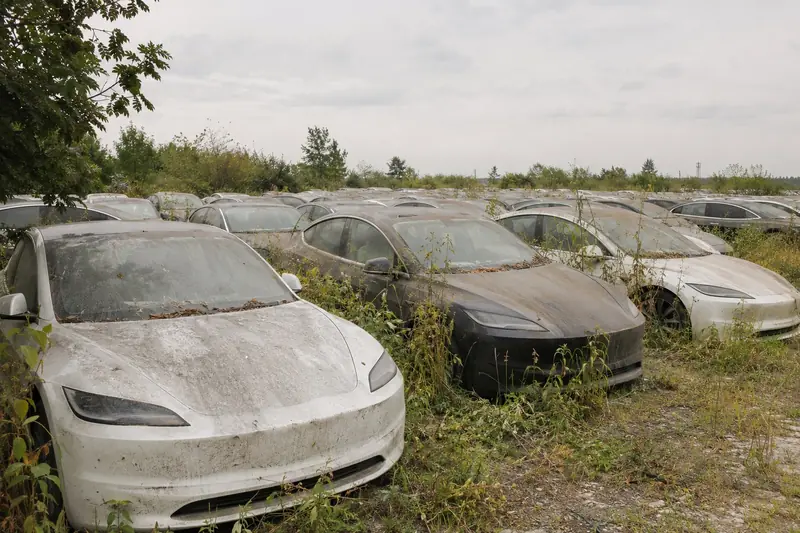
What happened
NIO competed on luxury, service and battery swapping, which lets drivers change a flat battery in minutes. Building over 3,000 swap stations was expensive, and premium sales were too small to cover costs.
As BYD, Tesla and others cut prices, NIO’s core brand sales fell. It launched Onvo for families and Firefly for small cars to reach more buyers, while cutting jobs and R&D spending.
Losses narrowed sharply in 2025 and cash flow turned positive. But current liabilities exceeded current assets, and investors still question whether three brands can all succeed.
The case shows the cash demands of building a car company from scratch and the importance of patient investors.
The lessonBuilding a car company takes years of losses — survival depends on access to capital as much as on products.
Key moments
William Li founds NIO in Shanghai.
NIO lists in New York.
Near bankruptcy; Hefei city investors inject capital for a new headquarters.
NIO raises billions from a large foreign investor.
It launches family brand Onvo and small-car brand Firefly.
Record deliveries; positive operating cash flow in Q3 and Q4.
For your seminar, paper or interview
- Q1
Was battery swapping a smart differentiator or a costly mistake?
- Q2
Why did NIO launch two new brands?
- Q3
Who has funded NIO’s losses, and why?
- Q4
What must NIO do to become sustainably profitable?
- Cash flow management
- Brand architecture
- Differentiation strategy
- Industry consolidation
Propose your solution
Pick a discussion question and set out what you would do, why, and what it would cost. Strong, well-argued answers are reviewed and published below with your first name and programme.
Published solutions
Loading published solutions…
- NIO: Q2 2025 results ↗
- Electrive: NIO increases sales and cuts losses in 2025 ↗
- 42how: NIO’s first profitable quarter ↗
- EVXL: NIO narrows loss ↗
Figures are as reported in the cited sources. Check the source before quoting. Corrections: let us know through the solution form.