What happened
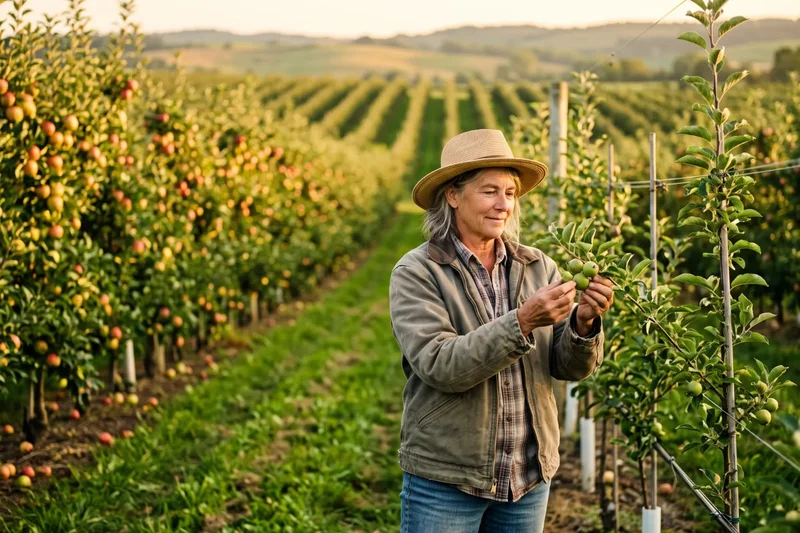
Chouinard did not want to sell the company or take it public, fearing new owners would abandon its values. The structure keeps Patagonia a for-profit business, lets the family-guided trust control it, and sends excess profits to environmental causes.
Critics note that the structure also avoided large estate and gift taxes and lets the family keep influence, including political influence through the nonprofit. Supporters see it as a new model for owners who want their company’s purpose to outlast them.
The lessonWho owns a company decides what it is for. Ownership design can protect a mission — or be used for other goals too.
Key moments
Rock climber Yvon Chouinard founds Patagonia to make outdoor clothing.
Patagonia begins giving 1% of sales to environmental groups.
A “Don’t buy this jacket” advert asks customers to buy less.
Voting shares go to the Patagonia Purpose Trust; non-voting shares to the Holdfast Collective.
For your seminar, paper or interview
- Q1
Is Patagonia’s structure stakeholder capitalism or philanthropy?
- Q2
What are the risks of a company with no owners seeking a return?
- Q3
Should other founders copy this model? Who would it suit?
- Stewardship ownership
- Stakeholder vs shareholder theory
- Mission drift
Propose your solution
Pick a discussion question and set out what you would do, why, and what it would cost. Strong, well-argued answers are reviewed and published below with your first name and programme.
Published solutions
Loading published solutions…
- Business of Fashion: the new ownership structure ↗
- Fortune: what happens to the company now ↗
- Fortune: the tax question ↗
Figures are as reported in the cited sources. Check the source before quoting. Corrections: let us know through the solution form.