What happened
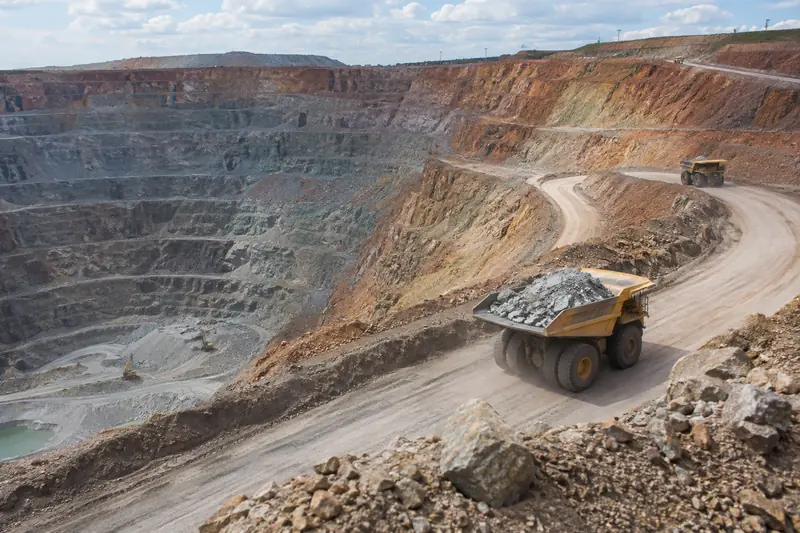
Philex Mining Corporation is one of the oldest mining companies in the Philippines and part of the group led by businessman Manuel V. Pangilinan. For more than six decades its main asset has been the Padcal mine in Tuba, Benguet, in the mountains of northern Luzon, which produces copper concentrate containing gold and silver.
Every mine eventually runs out of ore. Padcal was scheduled to close at the end of 2024 after several earlier extensions. In 2023 Philex extended its life to 2027, and in December 2024, after finding additional mineable resources, extended it again to the end of 2028. Each extension depended on metal prices remaining high enough, especially gold above about US$2,000 an ounce, to keep the mine profitable.
As Padcal aged, output fell and costs rose. In 2024, despite higher gold and copper prices, Philex’s net income fell 20% to ₱810 million, from ₱1.02 billion in 2023, because of higher costs and lower production. In the first half of 2025 core profits fell further as the company spent heavily on its new project.
The company’s future rests on the Silangan project in Surigao del Norte, on the northern tip of Mindanao. Silangan contains large copper and gold deposits. It was discovered years ago, but development was repeatedly delayed by funding challenges, permit issues and changes in plans. In 2021 Philex targeted commercial operations for 2025, with an initial development cost of about US$224 million.
Philex completed project financing of about US$170 million in February 2024 and later brought in a foreign partner. The schedule slipped again, with first metal targeted for the first quarter of 2026. In late 2025 the company said commissioning of the processing plant was planned for January and first metal by March 2026. The first phase is expected to produce about 81 million pounds of copper and 34,000 ounces of gold a year on average.
Executives stressed the urgency. The company’s president said it was imperative that Silangan start production before Padcal’s mine life ends, and that the company would protect against any further delays.
The Philex case illustrates the reserve replacement challenge that all mining companies face. To stay in business, miners must continually find and develop new deposits to replace those being exhausted. Developing a new mine can take a decade or more, from exploration to permits, financing and construction.
Timing is critical. If a new mine is delayed while the old one closes, revenue falls sharply. If metal prices drop during construction, project economics can deteriorate. Philex benefited from strong gold and copper prices, which extended Padcal’s life and supported financing for Silangan.
Copper has become especially important because it is used in electrical wiring, electric vehicles, power grids and renewable energy systems. Many analysts expect long-term demand to grow with the energy transition.
Mining in the Philippines also faces environmental and social scrutiny, including concerns about tailings, water use and impacts on local communities. Companies must manage these carefully to maintain their licence to operate.
For investors, Philex in this period was a transition story: an ageing mine with declining output and a new project with significant execution risk.
For students, the case is useful for analysing mine life, reserve replacement, project finance and commodity price exposure.
The Padcal story shows how mine life is not a fixed number. The amount of ore that is economic to mine depends on prices and costs. When gold and copper prices rise, lower-grade rock that was previously waste can be processed profitably, and the mine’s life extends. When prices fall, the reverse happens. Philex’s repeated extensions of Padcal were therefore partly geological discoveries and partly the result of favourable markets.
This creates a strategic dilemma. Higher prices give the company more time and more cash, but they can also reduce the urgency to complete the new project. Conversely, if prices fall sharply, the old mine may close sooner than expected just as the new one needs the most capital. Managing that timing risk is one of the hardest problems in mining.
Silangan’s long delays illustrate typical obstacles. Large mines require environmental permits, land agreements, community consultation, power and water supply, and processing plants. Financing is hard to secure until these are in place, while permits can depend on showing financing. Breaking this cycle often requires a partner with deep pockets or a government willing to help.
Investors in mining companies in transition must therefore watch several indicators at once: the remaining life and output of existing mines, the schedule and budget of new projects, commodity prices and the balance sheet. A company that runs out of cash during construction may be forced to raise equity at a low price, diluting shareholders, or to sell stakes in its best project.
Copper’s role in electrification adds a longer-term dimension. If demand grows as expected, new mines like Silangan become strategically valuable beyond their immediate profits.
Key moments
Padcal mine begins producing.
Silangan targeted for 2025 start.
US$170m project financing completed.
Padcal life extended to 2028.
Earnings fall as Padcal declines.
Silangan first metal targeted.
Source: Manila Bulletin.
The trade-offs at the heart of the case
Old mine vs. new mine
Revenue gap if timing slips.
Price vs. cost
High prices offset rising costs.
Growth vs. risk
Large project, uncertain execution.
For your seminar, paper or interview
- Q1
Why do mining companies need to replace reserves?
- Q2
What caused Silangan’s long delays?
- Q3
How do metal prices affect mine life decisions?
- Q4
What risks does Philex face during the transition?
- Q5
Why is copper important for the energy transition?
- Reserve replacement
- Project finance
- Commodity price risk
- Operational transition
How we would approach it
Simplifying Finance’s opinion, offered as a starting point for debate, not as fact or investment advice.
Philex’s fortunes depend on bringing Silangan online on time while Padcal winds down. High metal prices have bought time, but any further delay would hurt. Strong project management and community relations are essential.
Hit milestones
Keep Silangan on schedule.
Extend Padcal
Explore nearby for extra ore.
Hedge exposure
Consider price hedging during ramp-up.
Engage communities
Maintain environmental and social standards.
What this plan gives up
Hedging protects revenue but limits upside if prices rise.
The strongest counter-argument
Some argue Philex’s long delays reflect structural challenges in Philippine mining that may continue.
Metrics to watch
- Silangan first metal
- Copper and gold prices
- Padcal output
- Project costs
- Earnings recovery
Propose your solution
Pick a discussion question and set out what you would do, why, and what it would cost. Strong, well-argued answers are reviewed and published below with your first name and programme.
Published solutions
Loading published solutions…
- BusinessWorld: Philex Mining targets first Silangan output by Q1 ↗
- Manila Bulletin: Philex posts lower earnings as costs rise ↗
- Philstar: Philex extends Padcal mine life until end-2028 ↗
- Inquirer: Philex to continue Padcal operations if gold prices remain stable ↗
Figures are as reported by the companies or cited outlets as of 22 November 2026. Check the source before quoting. Corrections: let us know through the solution form.