What happened
In July 2016 FrieslandCampina agreed with Engro Corporation to acquire 51% of Engro Foods through a Dutch vehicle, alongside IFC and FMO. The transaction was recorded in December. FrieslandCampina’s interim reporting described its controlling position in the acquisition vehicle and Engro Foods’ established UHT business. The direct percentage held by the vehicle should be distinguished from FrieslandCampina’s own economic interest through that vehicle.
Local collection routes, testing arrangements and farmer relationships can have a value that is difficult to recreate. A processing plant with spare capacity benefits from reliable milk deliveries, but buying litres of uneven quality can increase rejection costs or force expensive separation. Retail distribution adds another constraint. Dairy bought today cannot be treated as saleable branded product until the whole chain works.
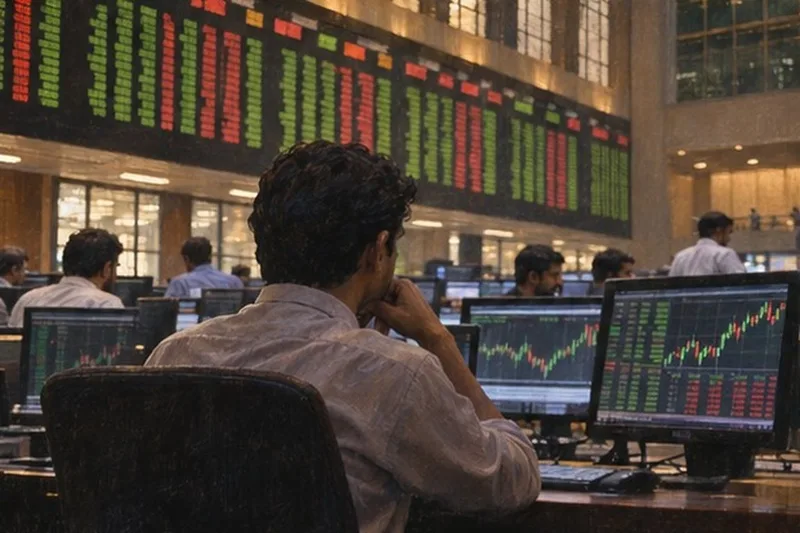
Engro Foods, the dairy business of Engro Corporation, was Pakistan’s second-largest dairy producer, known for Olper’s milk and Tarang tea creamer. It had annual revenue of about €450 million in 2015, around 1,600 employees and 1,635 milk collection centres taking milk from about 150,000 farmers each day, processed at plants in Sahiwal and Sukkur.
In July 2016 Engro Corporation agreed to sell 51 percent to a Dutch entity controlled by FrieslandCampina, one of the world’s largest dairy cooperatives, in partnership with the International Finance Corporation and the Dutch development bank FMO. The deal closed in December 2016 at Rs120 per share, about US$447 million: 47.1 percent came from Engro Corporation and 3.9 percent from public shareholders through a tender offer. The price was at a discount of about 26 percent to the market, and Engro Corporation kept about 36 percent.
Pakistan is one of the world’s largest milk producers, but most milk is sold loose and unprocessed. FrieslandCampina’s bet was that rising incomes and urbanisation would shift demand toward packaged, safer milk. In 2019 the company was renamed FrieslandCampina Engro Pakistan.
Key moments
FrieslandCampina announces its intention
Share purchase agreement signed
Acquisition completed at Rs120 per share
Company renamed FrieslandCampina Engro Pakistan
About 150,000 farmers supplied the centres daily. Sources: The Express Tribune; eFeedLink; ProPakistani.
The trade-offs at the heart of the case
Core tensions
A foreign owner might move quickly to introduce new products and equipment. That could expand demand but also put pressure on a collection system designed for existing products. Gradual improvement of quality payments and route density may look slower to shareholders while doing more to protect returns on future processing capacity.
The farmer’s reason to accept a new quality test
A farmer told that a collection centre will pay more for better milk needs confidence in the test, the weighing scale and the method of resolving a disputed result. A processor can install excellent laboratory equipment and still lose trusted suppliers if payment is hard to understand or arrives late. The effective procurement price includes transport, the chance of rejection and the delay between delivery and cash. A buyer hoping to improve quality may gain more from a transparent second test and timely payment than from increasing the posted price for all milk. The choice has distributional effects. Larger farms may be able to deliver separate batches and absorb a dispute, while smaller producers pool milk and struggle to identify which supplier caused a rejection. The collection design should recognise that problem. To estimate a route’s retention value, follow individual farmer payments through a full seasonal cycle and ask who supplied the milk if the route lost its original contributors.
The smallest supplier can determine the route
A dairy processor considering a new collection route may see a profitable average volume per village. In practice its tanker must visit individual collection points before milk deteriorates. A cluster of reliable small suppliers can be worth more than a larger but scattered volume that takes longer to cool. If a buyer’s integration plan applies the same purchase price everywhere, it may accidentally subsidise the most expensive route while losing suppliers close to an efficient chilling point. Compare two ways to improve the route. One is to invest in a local cooling centre that also gives farmers a longer delivery window. Another is to collect more frequently with smaller vehicles. Both require cash before the resulting reduction in spoilage is known. Model the seasonal low point as well as the peak, and ask who absorbs any loss when a tanker is delayed after collection. An acquisition premium justified by supply-chain improvements is credible only if farmers have an economic reason to keep delivering the volumes and quality on which the savings depend.
Better milk needs better farms
Packaged milk depends on a reliable supply of clean, chilled raw milk. Smallholder farmers need cooling, testing and fair, prompt payment to meet higher standards. A foreign owner can bring know-how, but changing practices across 150,000 farms takes years and investment beyond the factory gate.
Competing with loose milk
Most Pakistani households buy milk from local sellers at lower prices. Packaged milk must justify its premium through safety and convenience. Pricing too high limits the market; pricing too low squeezes margins in a business with high collection and cooling costs.
For your seminar, paper or interview
- Q1
What would a buyer need to know before placing a value on a collection route?
- Q2
How does owning a controlling vehicle differ from owning all its economics?
- Q3
Who should bear the cost of a rejected milk delivery when the source of spoilage is disputed?
- Foreign direct investment
- Dairy supply chains
- Control premiums
- Development finance
How we would approach it
Simplifying Finance’s opinion, offered as a starting point for debate, not as fact or investment advice.
FrieslandCampina’s entry brought global dairy expertise and development finance into Pakistan’s supply chain. The test of value is whether farmer productivity and milk quality improved, which is what makes packaged milk competitive with loose milk.
Invest in collection
Fund chilling and testing at village level.
Pay for quality
Reward farmers for cleaner, higher-fat milk.
Educate consumers
Explain the safety benefits of processed milk.
What this plan gives up
Foreign control brings expertise and capital but shifts strategic decisions abroad.
The strongest counter-argument
Buying at a discount to market price suggests investors doubted near-term profitability, and the deal transferred control of a strategic food business to a foreign owner.
Metrics to watch
- Volume of milk collected
- Share of packaged milk in urban consumption
Propose your solution
Pick a discussion question and set out what you would do, why, and what it would cost. Strong, well-argued answers are reviewed and published below with your first name and programme.
Published solutions
Loading published solutions…
- FrieslandCampina: Half-year report 2016 ↗
- FrieslandCampina: Annual report 2016 ↗
- The Express Tribune: Dutch company acquires Engro Foods ↗
- The Express Tribune: agreement signed ↗
- eFeedLink: FrieslandCampina to acquire 51 percent ↗
- FMO: support for agricultural industry ↗
- FrieslandCampina Engro Pakistan (Wikipedia) ↗
- Image: AI-generated editorial illustration · Simplifying Finance
Figures are as reported by the companies or cited outlets as of 22 November 2026. Check the source before quoting. Corrections: let us know through the solution form.