What happened
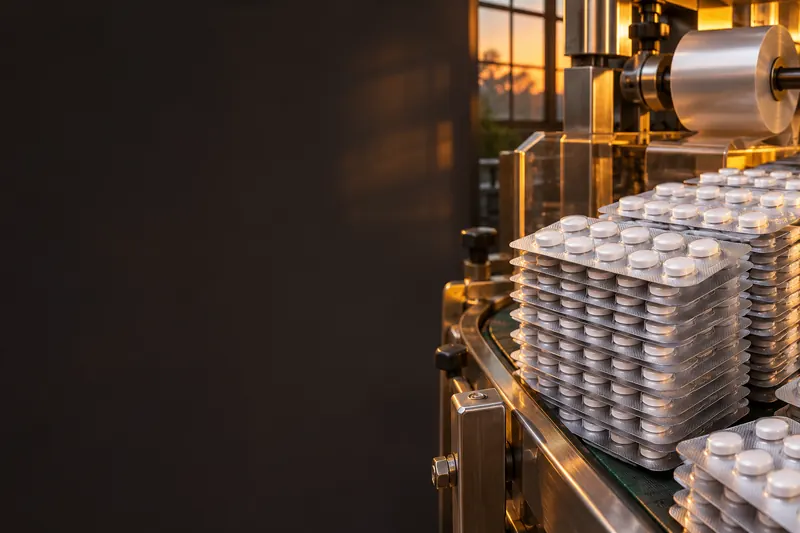
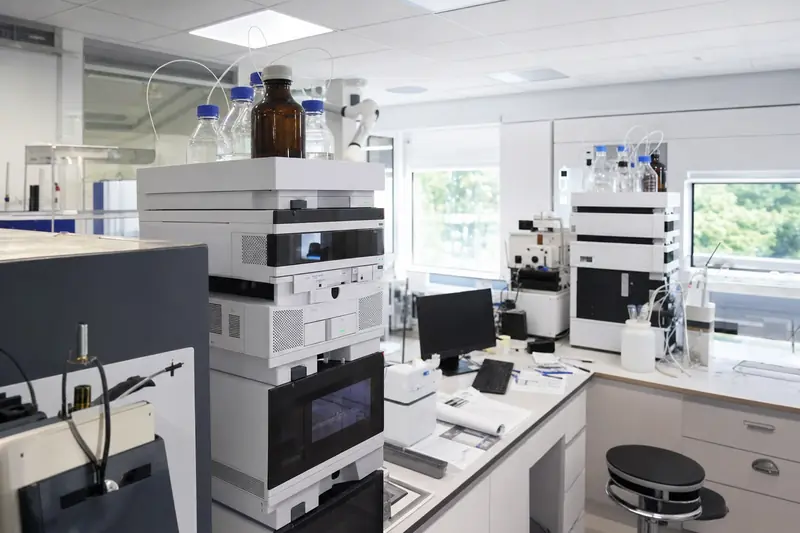
Generic drugs must prove they match the original medicine. Ranbaxy staff backdated tests and submitted results for tests that were never done. The FDA found poor manufacturing controls at key plants.
Daiichi Sankyo paid about $4.6bn for control without discovering how serious the problems were, and later sold at a loss. The case raised global concern about data integrity in generic drug manufacturing.
The lessonIn medicines, data integrity is the product — without trustworthy data, the drug is worthless.
Key moments
Ranbaxy is founded; it grows into India’s largest drugmaker.
Executive Dinesh Thakur finds widespread data problems and raises them internally, then with the FDA.
Japan’s Daiichi Sankyo buys control; the FDA bans imports from three plants.
Ranbaxy USA pleads guilty to felony charges and pays $500m.
Sun Pharma buys Ranbaxy.
For your seminar, paper or interview
- Q1
Why is data integrity so important for generic drugs?
- Q2
What should Daiichi Sankyo have checked before buying Ranbaxy?
- Q3
How did a whistle-blower change the outcome?
- Due diligence
- Quality culture
- Whistle-blowing
Propose your solution
Pick a discussion question and set out what you would do, why, and what it would cost. Strong, well-argued answers are reviewed and published below with your first name and programme.
Published solutions
Loading published solutions…
- US Department of Justice: Ranbaxy guilty plea ↗
- RAPS: Ranbaxy pleads guilty ↗
- Down To Earth: Ranbaxy to pay $500m ↗
Figures are as reported in the cited sources. Check the source before quoting. Corrections: let us know through the solution form.