What happened
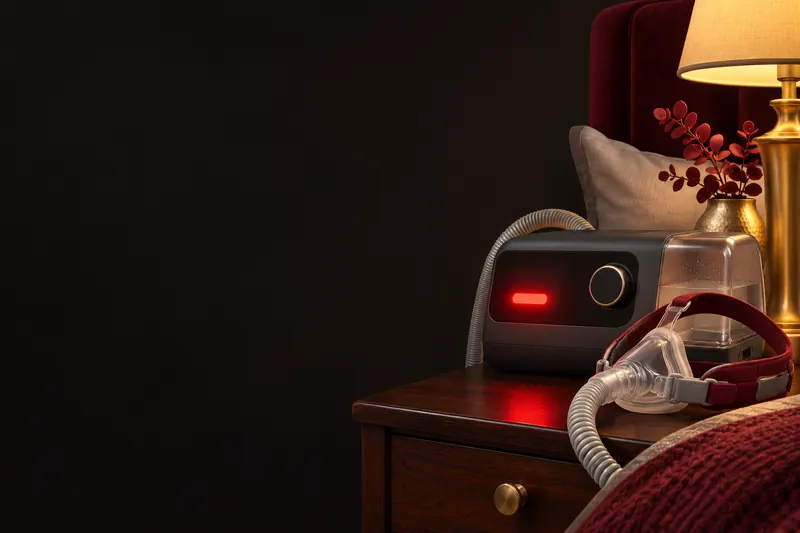
Machines are sold once, but masks and accessories need replacing often, producing recurring income. Connected devices let doctors and insurers track usage.
Weight loss reduces sleep apnoea for some patients, but age and anatomy also matter, and most people are still undiagnosed. Philips’ possible return and new diagnostics are other risks.
The lessonA competitor’s crisis can create a windfall — but new technologies can threaten the whole market.
Key moments
ResMed is founded in Australia to commercialise CPAP technology.
It lists in the US.
Philips’ recall leaves ResMed as the main supplier.
Shares fall sharply on fears GLP-1 drugs will reduce sleep apnoea.
Growth continues; data suggest GLP-1 users often still use CPAP.
For your seminar, paper or interview
- Q1
How did Philips’ recall change ResMed’s position?
- Q2
Are GLP-1 drugs a real threat to ResMed?
- Q3
Why are masks and accessories important to its business?
- Competitive dynamics
- Substitute threats
- Recurring revenue
Propose your solution
Pick a discussion question and set out what you would do, why, and what it would cost. Strong, well-argued answers are reviewed and published below with your first name and programme.
Published solutions
Loading published solutions…
- Market Index: ResMed FY26 results ↗
- Morningstar: GLP-1s not an existential threat ↗
- IG: ResMed FY2025 results ↗
Figures are as reported in the cited sources. Check the source before quoting. Corrections: let us know through the solution form.