What happened
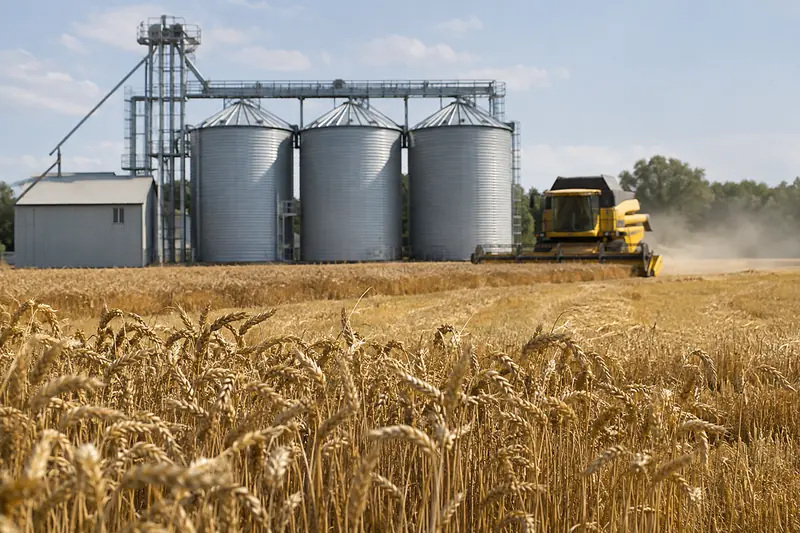
Rice is the staple food of the Philippines, eaten at almost every meal, and millions of families depend on growing it. For decades the government tried to balance two goals: keeping rice affordable for consumers and protecting the incomes of local farmers, who often had higher costs than producers in Vietnam and Thailand.
The main tool was quantitative restrictions, or quotas, on rice imports. The National Food Authority, a government agency, controlled import licences and also bought rice from farmers and sold it to consumers. When the Philippines joined the World Trade Organization in 1995, it obtained a special exemption to keep rice quotas, but that exemption was time-limited.
The quota system had problems. Import licences could be valuable and open to favouritism. When the government underestimated demand or delayed imports, shortages pushed prices up. In 2018 rice prices surged and contributed to inflation reaching its highest level in years, putting pressure on the government to act.
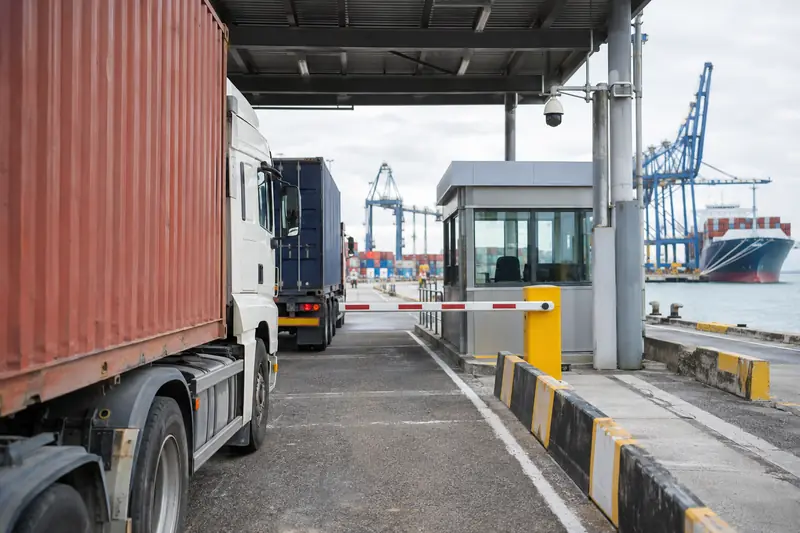
In February 2019, President Rodrigo Duterte signed the Rice Tariffication Law, Republic Act 11203. It took effect on 5 March 2019. The law removed quantitative restrictions and allowed private traders to import rice freely, as long as they paid tariffs: 35% on rice from Southeast Asian countries, and higher rates on rice from elsewhere. It stripped the National Food Authority of its regulatory role over imports, limiting it to keeping an emergency buffer stock bought from local farmers.
To help farmers adjust to more competition, the law created the Rice Competitiveness Enhancement Fund, with at least ₱10 billion a year for six years. The fund was allocated to farm machinery, certified seeds, credit and training. Tariff revenue above ₱10 billion would go to additional assistance for rice farmers.
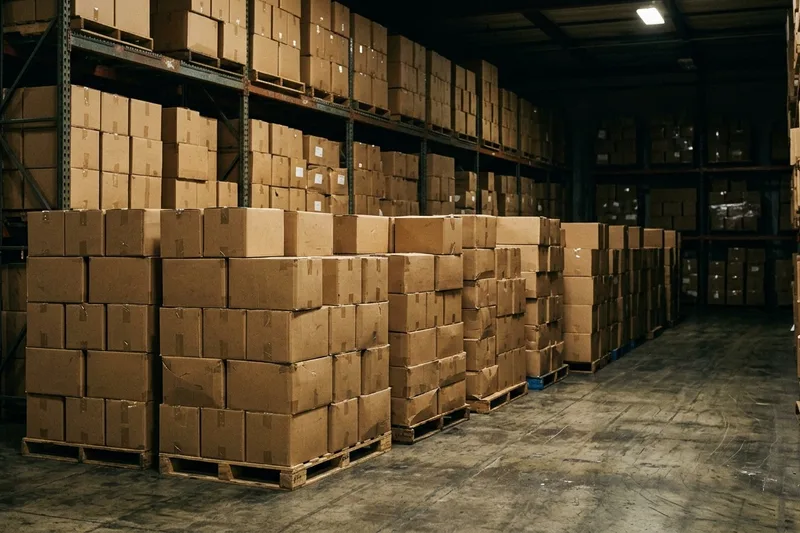
The effects were quick. Imports surged; by June 2019 the country had already imported about 1.8 million tonnes, more than normal annual volumes. Retail rice prices fell, helping consumers and lowering inflation. The finance department said the law brought ₱12.3 billion in tariff revenue in its first seven months and ₱46.6 billion over 2019–2021.
Farmers faced lower farmgate prices for their unmilled rice, or palay, as cheaper imports flooded the market, especially during harvest season. Farmer groups protested, saying their incomes had fallen sharply. The government responded with cash assistance, loans and calls for the buffer stock agency to buy more local rice.
Economists generally supported tariffication as a more transparent and efficient system that benefited the many consumers, including poor households who spend a large share of income on rice. But they also stressed that the farmer support programmes needed to be well run to improve productivity, and some questioned how effectively the funds were being used.
In later years, rice prices rose again because of global supply shocks, such as India’s export restrictions in 2023, and debates resumed over tariffs, price caps and the role of the state. The government temporarily cut rice tariffs in 2024 to lower prices, showing the continuing tension between consumer and farmer interests.
The rice tariffication case is a classic example of trade policy trade-offs. Opening markets typically lowers prices for consumers and raises overall welfare, but concentrated groups of producers can lose. Policy design must include compensation and support to help them adjust.
It also illustrates the shift from quotas to tariffs. Quotas limit quantities and create valuable licences; tariffs allow trade at a price and generate government revenue that can be used for adjustment.
For students, the case is useful for analysing comparative advantage, the economics of tariffs and quotas, food security and the political economy of agricultural reform.
The economics of the reform can be illustrated simply. Under quotas, a limited supply of imports kept domestic prices well above world prices, transferring money from consumers to producers and to whoever held import licences. Under tariffs, the gap between domestic and world prices is roughly limited to the tariff, and the government collects the difference as revenue rather than leaving it with licence holders.
Rice markets also show seasonal patterns. Prices paid to farmers tend to fall at harvest, when supply is abundant, and rise later in the year. Importers that bring in large volumes during harvest season can deepen the fall in farmgate prices, so timing of imports matters for farmers’ incomes.
Productivity is the long-term issue. Philippine rice farms are generally smaller and less mechanised than those in Vietnam or Thailand, with higher costs per tonne. The farmer fund’s investments in machinery, seeds and credit aim to close that gap, but results take years.
Key moments
Philippines joins WTO with rice quota exemption.
Rice prices surge, lifting inflation.
Rice Tariffication Law signed.
Law takes effect; quotas end.
Imports surge; farmgate prices fall.
Tariffs temporarily cut to lower prices.
Sources: Department of Finance.
The trade-offs at the heart of the case
Consumers vs. farmers
Cheaper rice, lower farm incomes.
Market vs. state
Private imports replaced agency control.
Openness vs. food security
Reliance on imports carries risks.
For your seminar, paper or interview
- Q1
Why did the Philippines replace rice quotas with tariffs?
- Q2
Who gained and who lost from the law?
- Q3
Was ₱10 billion a year enough to help farmers adjust?
- Q4
How should the government respond to global rice price spikes?
- Q5
What does the case teach about trade reform?
- Tariffs vs. quotas
- Comparative advantage
- Consumer and producer surplus
- Political economy of reform
How we would approach it
Simplifying Finance’s opinion, offered as a starting point for debate, not as fact or investment advice.
Tariffication made rice cheaper and the system more transparent, benefiting millions of consumers. But farmers bore real costs, and support programmes must raise productivity, not just provide relief. The policy should be judged on both prices and rural incomes.
Raise productivity
Invest in irrigation, seeds and mechanisation.
Target support
Give direct help to the poorest farmers.
Smooth imports
Avoid flooding markets at harvest time.
Keep rules stable
Avoid frequent tariff changes.
What this plan gives up
Higher tariffs protect farmers but raise prices for poor consumers.
The strongest counter-argument
Farmer groups argue that liberalisation was too fast and that local production should be protected for food security.
Metrics to watch
- Retail rice prices
- Farmgate palay prices
- Import volumes
- Fund disbursement
- Tariff changes
Propose your solution
Pick a discussion question and set out what you would do, why, and what it would cost. Strong, well-argued answers are reviewed and published below with your first name and programme.
Published solutions
Loading published solutions…
- Department of Finance: Rice tariffication plows in P46.6-B to farm sector ↗
- PhilRice: How to make farmers winners under the rice tariffication regime ↗
- Senate: Rice Tariffication Act explained (Angara) ↗
- PIDS: Rice tariffication, good governance and real food security ↗
Figures are as reported by the companies or cited outlets as of 22 November 2026. Check the source before quoting. Corrections: let us know through the solution form.