What happened
Sears and Kmart combined in 2005 with thousands of stores. Over the following decade the company’s strategy leaned on financial engineering: selling valuable brands and real estate, buying back shares and borrowing, often from its own chairman’s hedge fund, while investment in stores and the customer experience lagged.
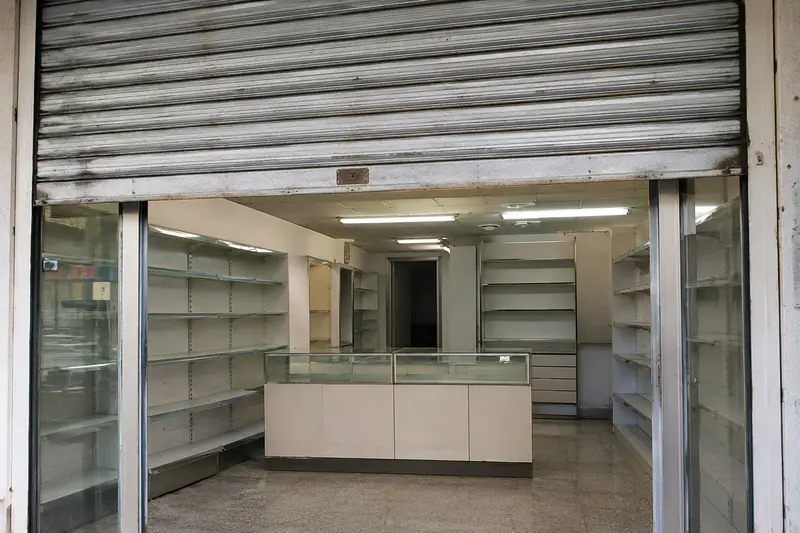
Sales kept falling as shoppers moved to Walmart, Target, Home Depot and Amazon. By the time Sears filed for Chapter 11, its balance sheet showed $6.94 billion of assets against $11.34 billion of liabilities, and it had closed about 3,000 stores in five years.
The lessonSelling assets can fund a turnaround or replace one. Without reinvestment in what customers actually experience, financial moves only slow the decline.
Key moments
Kmart, controlled by Eddie Lampert, merges with Sears in what was then the largest retail merger.
Sears sells or spins off brands and assets, including Lands’ End and Craftsman, while sales fall.
Sears Holdings files for Chapter 11 after failing to repay $134 million due that day; Lampert steps down as CEO.
For your seminar, paper or interview
- Q1
Was Sears’ decline caused by Amazon and e-commerce, or by its own strategy? Use evidence for both.
- Q2
When a controlling shareholder is also a lender, what conflicts arise? How should the board manage them?
- Q3
Could Sears have been saved in 2010? Lay out a turnaround plan and the capital it would have required.
- Turnaround management
- Conflicts of interest and related-party transactions
- Sum-of-the-parts valuation
Propose your solution
Pick a discussion question and set out what you would do, why, and what it would cost. Strong, well-argued answers are reviewed and published below with your first name and programme.
Published solutions
Loading published solutions…
- JCK · Sears files for Chapter 11 (balance sheet and store closures) ↗
- AP via ABC13 · Sears files for Chapter 11 amid plunging sales ↗
- Business Insider · Kmart history and the 2005 merger ↗
Figures are as reported in the cited sources. Check the source before quoting. Corrections: let us know through the solution form.