What happened
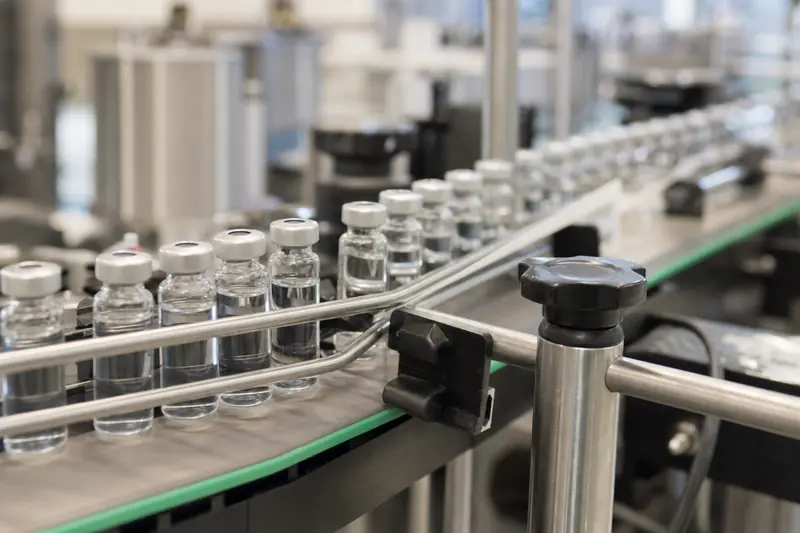
Serum’s model is high volume and low price, selling vaccines to governments and aid agencies. Being unlisted, the family could take a big risk and make vaccines before they were approved.
The pandemic showed the limits of relying on one manufacturer: when India banned exports, many poorer countries were left waiting. It also raised questions about pricing and the obligations of a private firm in a public-health emergency.
The lessonScale and speed can save lives, but global health also depends on spreading production across many countries.
Key moments
Cyrus Poonawalla founds the company to make affordable vaccines.
It becomes a key supplier of childhood vaccines to UNICEF and Gavi.
It partners with AstraZeneca and Oxford, producing doses before approval.
India restricts exports during its deadly second wave, delaying COVAX supplies.
Exports to COVAX restart; over 1 billion Covishield doses made.
For your seminar, paper or interview
- Q1
How does Serum make vaccines so cheaply?
- Q2
Was India right to restrict vaccine exports in 2021?
- Q3
What are the advantages of being family-owned?
- Economies of scale
- Family business
- Supply-chain concentration
Propose your solution
Pick a discussion question and set out what you would do, why, and what it would cost. Strong, well-argued answers are reviewed and published below with your first name and programme.
Published solutions
Loading published solutions…
- Serum Institute: 1 billion Covishield doses ↗
- Fortune: largest vaccine maker can’t keep up ↗
- Al Jazeera: how the vaccine maker stumbled ↗
Figures are as reported in the cited sources. Check the source before quoting. Corrections: let us know through the solution form.