What happened
Shake Shack combined fast-food speed with better ingredients and the hospitality of fine dining. Long queues in New York created a buzz that made the IPO one of the hottest restaurant listings in years — and priced in very fast growth.
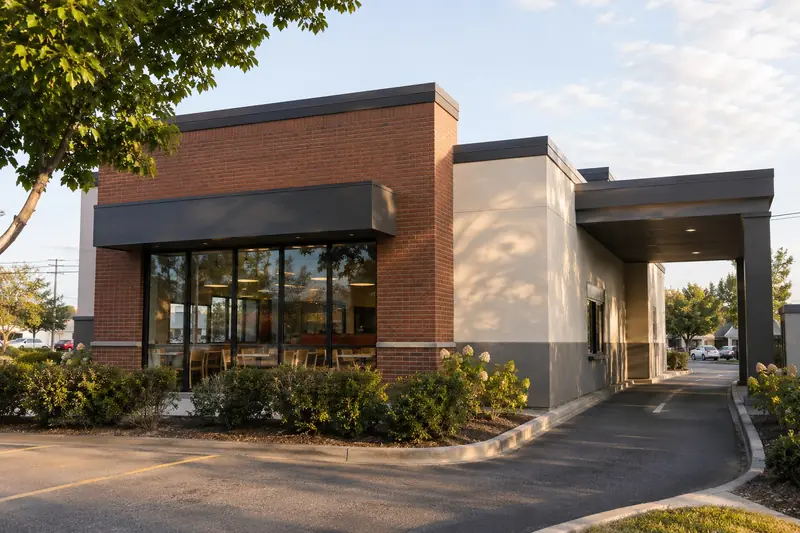
Scaling proved harder: new suburban locations made less than the Manhattan originals, costs rose, and the share price swung widely. Recent years have focused on efficiency, kiosks, drive-throughs and licensed restaurants abroad, which earn high-margin fees.
The lessonA brand that thrives in a few iconic locations must prove its unit economics before rapid expansion — and IPO prices often assume it already has.
Key moments
Danny Meyer’s restaurant group opens a hot-dog cart to support a park restoration.
The first Shake Shack kiosk opens in Madison Square Park.
IPO priced at $21 after the range was raised; shares more than double on day one.
Expansion to suburbs, drive-throughs, airports and licensed restaurants abroad.
Shake Shack enters the top 50 US restaurant brands by consumer spending.
For your seminar, paper or interview
- Q1
What made Shake Shack’s IPO so popular? Was the valuation justified?
- Q2
How should a premium restaurant chain grow without diluting its brand?
- Q3
Compare company-owned restaurants with licensing. Which creates more value?
- Unit economics
- Franchising and licensing
- IPO valuation
Propose your solution
Pick a discussion question and set out what you would do, why, and what it would cost. Strong, well-argued answers are reviewed and published below with your first name and programme.
Published solutions
Loading published solutions…
- Fortune: investors sink their teeth into Shake Shack’s IPO ↗
- Wedbush / PredictStreet: 2025 strategic outlook ↗
- CB Insights: Shake Shack in the top 50 ↗
Figures are as reported in the cited sources. Check the source before quoting. Corrections: let us know through the solution form.