What happened
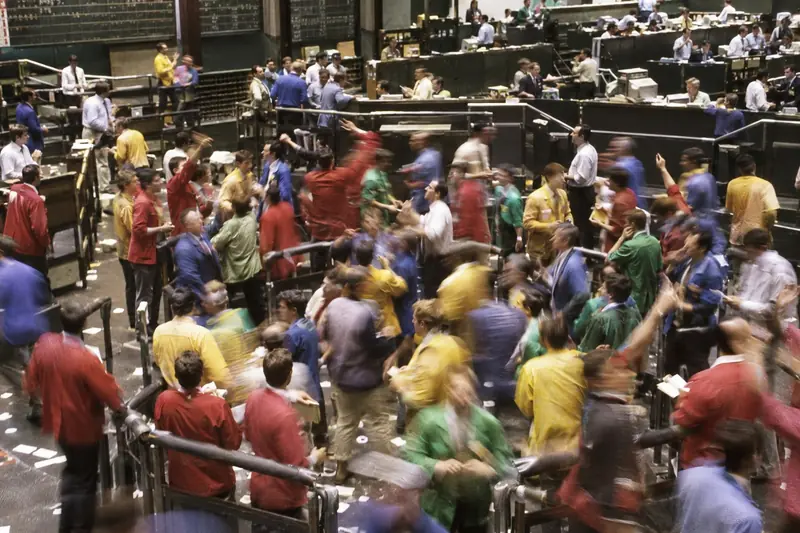
Kerviel worked in a desk meant to profit from small price differences. He used his knowledge of back-office systems to create fictitious trades that made his real positions look hedged.
Control alerts were raised dozens of times but not acted on. When the bank discovered the positions, it had to unwind them quickly just as markets were falling, turning a hidden risk into one of the biggest trading losses in history.
The lessonControls only work if alerts are followed up and front and back offices are truly independent.
Key moments
Kerviel hides growing positions with fake offsetting trades.
The bank discovers the positions and sells them in falling markets.
Société Générale raises €5.5bn of new capital.
Courts convict Kerviel; damages are later reduced.
For your seminar, paper or interview
- Q1
Why did so many alerts go unanswered?
- Q2
Who should bear responsibility — the trader or the bank?
- Q3
How can banks detect fictitious trades?
- Internal controls
- Segregation of duties
- Operational risk
Propose your solution
Pick a discussion question and set out what you would do, why, and what it would cost. Strong, well-argued answers are reviewed and published below with your first name and programme.
Published solutions
Loading published solutions…
Figures are as reported in the cited sources. Check the source before quoting. Corrections: let us know through the solution form.