What happened
TCS grew by hiring hundreds of thousands of graduates each year and deploying them on client projects. Mid-level managers supervised large teams.
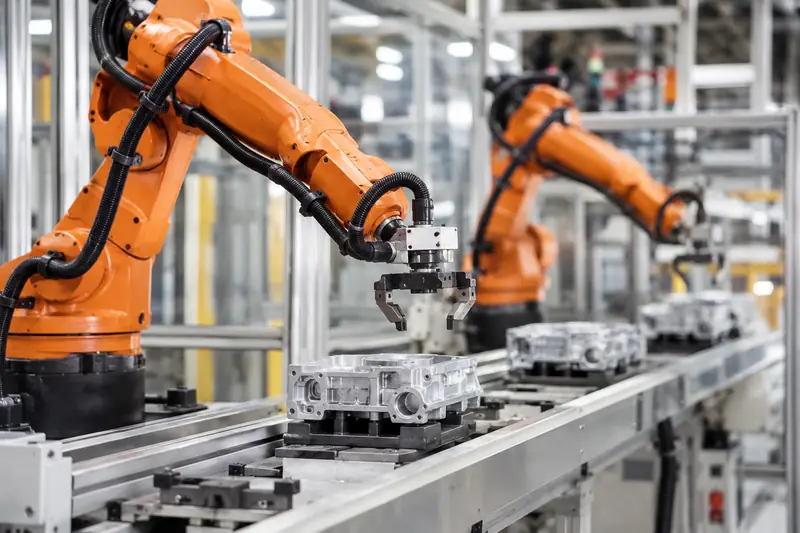
AI tools and automation reduce the need for big teams, while clients delayed new projects amid uncertainty. Wage costs kept rising.
TCS said it was becoming “future-ready”, tightening productivity and redeploying staff. Its CEO denied the cuts were caused directly by AI, while saying it is deploying AI at scale.
The case shows how technology and slowing growth force even the most stable employers to rethink their workforce.
The lessonWhen technology changes how work gets done, even the biggest employers must rethink how many people they need.
Key moments
TCS is founded as part of the Tata Group.
TCS lists, India’s biggest IPO at the time.
It becomes India’s first $100bn company by market value.
Growth slows as clients cut discretionary spending.
TCS announces about 12,000 job cuts.
For your seminar, paper or interview
- Q1
Why were mid-level roles affected most?
- Q2
Is AI the real reason for the cuts?
- Q3
How should TCS treat affected employees?
- Q4
What skills will graduates need for IT careers?
- Organisational restructuring
- Labour economics
- Technological change
- Stakeholder management
Propose your solution
Pick a discussion question and set out what you would do, why, and what it would cost. Strong, well-argued answers are reviewed and published below with your first name and programme.
Published solutions
Loading published solutions…
- Evertiq: TCS to cut 12,000 jobs ↗
- Business Today: AI disruption and skill mismatch ↗
- Eastern Eye: mostly mid and senior staff ↗
- Basis Point: TCS trims fat ↗
Figures are as reported in the cited sources. Check the source before quoting. Corrections: let us know through the solution form.