What happened
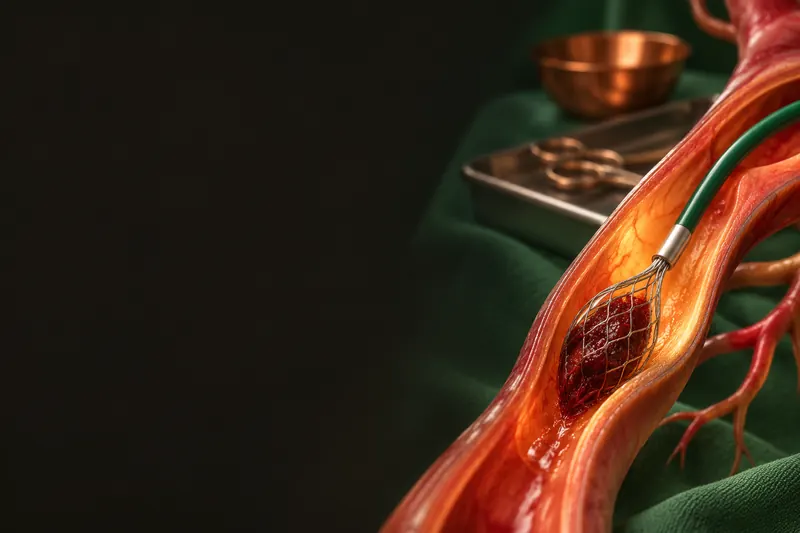
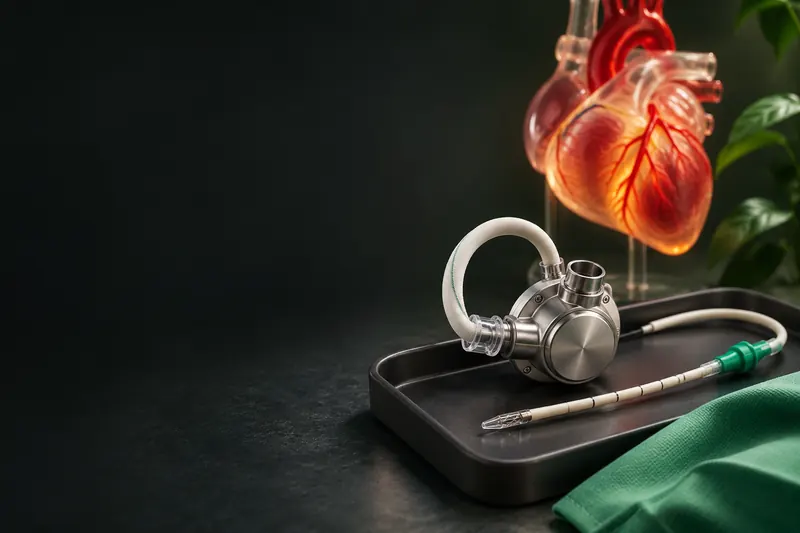
Japan’s domestic market is ageing and price-controlled, so Terumo grew abroad through acquisitions and specialised products. Its radial-access catheters let doctors reach the heart through the wrist, which is safer and cheaper.
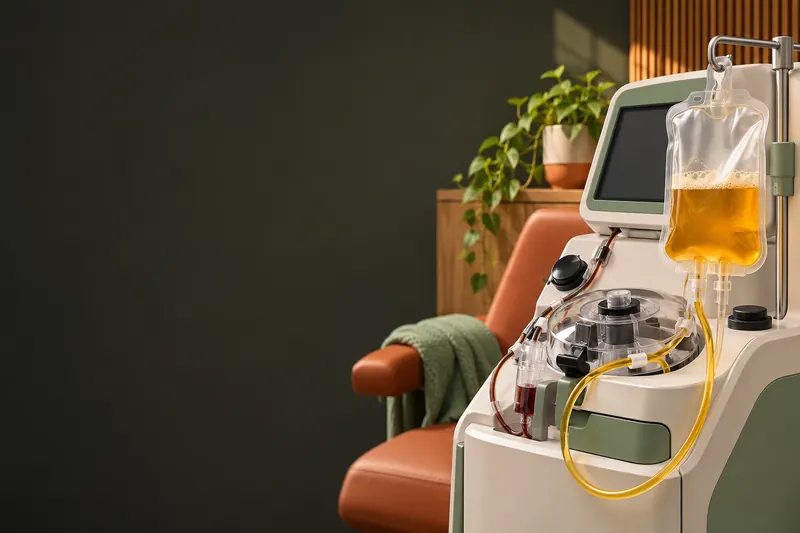
Plasma collection technology benefits from demand for plasma-derived medicines. The challenge is integrating foreign acquisitions while keeping quality high.
The lessonA domestic leader in a slow-growing market can thrive by specialising and going global.
Key moments
Scientists including Shibasaburo Kitasato found Terumo to make thermometers.
Terumo becomes a leader in catheters for access through the wrist (radial artery).
It buys CaridianBCT, a US blood-technology company.
Plasma-collection systems and catheters drive growth in the US and China.
Record revenue; Terumo buys UK organ-preservation firm OrganOx.
For your seminar, paper or interview
- Q1
Why did Terumo expand abroad?
- Q2
What advantages does radial access offer?
- Q3
How should a Japanese firm manage foreign acquisitions?
- Internationalisation
- Niche leadership
- Post-merger integration
Propose your solution
Pick a discussion question and set out what you would do, why, and what it would cost. Strong, well-argued answers are reviewed and published below with your first name and programme.
Published solutions
Loading published solutions…
Figures are as reported in the cited sources. Check the source before quoting. Corrections: let us know through the solution form.