What happened
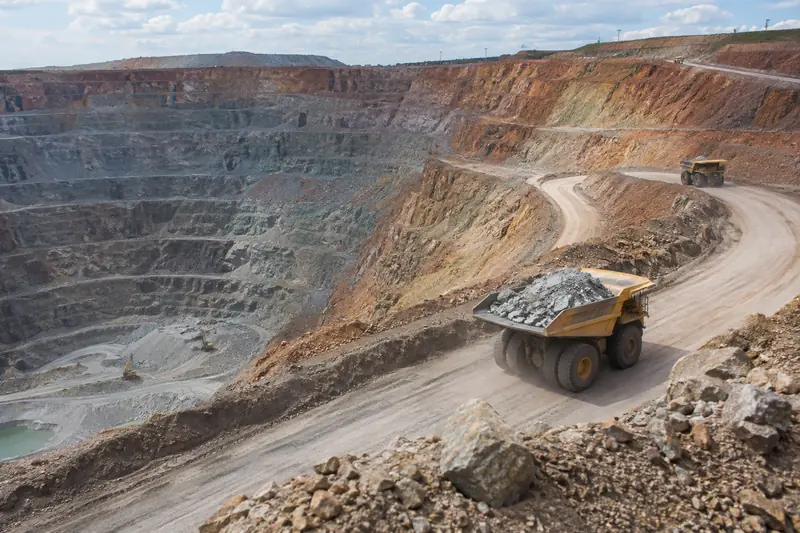
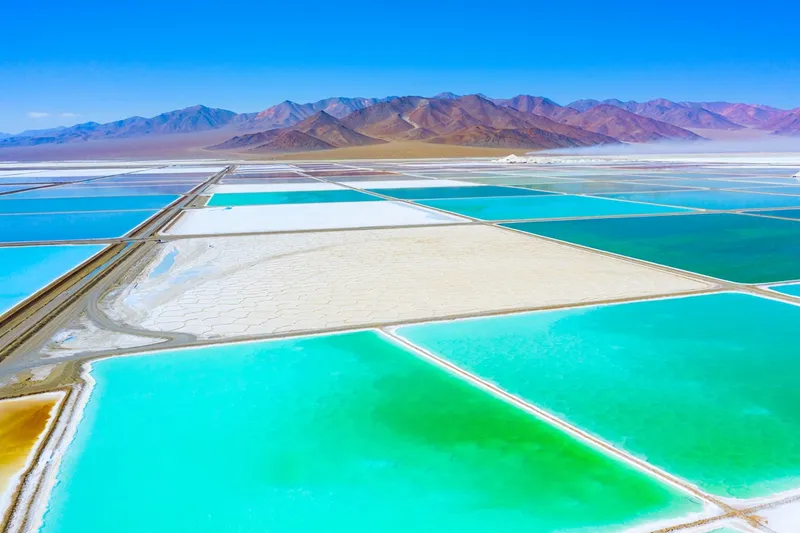
Tianqi Lithium was founded in 1995 in Sichuan province in western China. It processes lithium, a light metal used in rechargeable batteries for electric vehicles, phones and energy storage. Lithium is mined either from hard rock, mainly in Australia, or extracted from salty brine in South America, and then refined into chemicals such as lithium carbonate and lithium hydroxide.
Tianqi’s strategy was to secure supplies of raw material. In 2014 it took control of Talison Lithium, which owns the Greenbushes mine in Western Australia, one of the world’s richest hard-rock lithium deposits, in partnership with US company Albemarle. This gave Tianqi a low-cost supply of lithium ore.
In 2018 Tianqi made a bold move, paying about US$4 billion for a 24% stake in SQM, a Chilean company with large lithium brine operations. It borrowed heavily to finance the deal. Soon after, lithium prices fell, and Tianqi struggled to repay the debt. By 2020 it was close to default and had to restructure its loans and sell part of its Greenbushes stake to Australia’s IGO.
Then the electric vehicle boom transformed the market. Sales of electric cars surged in China and Europe from 2021, and demand for lithium outstripped supply. Prices of lithium carbonate in China rose about tenfold, peaking at nearly 600,000 yuan per tonne in late 2022. Tianqi earned record profits of about 24 billion yuan in 2022 and listed shares in Hong Kong that year.
High prices encouraged new supply. Miners in Australia, Africa, South America and China expanded production rapidly, while EV demand growth slowed and battery makers used up their stockpiles. By 2024 lithium carbonate prices had fallen more than 80% from their peak, to below 80,000 yuan per tonne at times.
Tianqi’s profits collapsed. In 2024 it lost 7.9 billion yuan, its first annual loss since 2020, due to lower prices, reduced income from SQM and write-downs on projects. Its results were worsened by the way it priced ore purchases from Greenbushes, which lagged market prices, so it paid high costs for ore while selling chemicals at low prices.
In 2025 Tianqi returned to a small profit of 463 million yuan, despite revenue falling 21% to 10.3 billion yuan. Cost cuts, a shorter pricing cycle for ore and better investment income helped. More than 60% of the year’s profit came in the fourth quarter. It paid no dividend, choosing to keep cash.
Lithium prices recovered from late 2025 as demand from energy storage systems grew rapidly and some high-cost mines closed. By early 2026 Chinese lithium carbonate prices had stabilised around 150,000 yuan per tonne, and Tianqi’s first-quarter profit jumped to 1.88 billion yuan.
The case explores the economics of commodity cycles, the dangers of financing acquisitions with debt at the top of a cycle, and how processors manage the gap between raw material costs and product prices. It also examines resource nationalism and geopolitical risk.
Geopolitics adds complexity. Chile has moved to give its state copper company Codelco a larger role in lithium, reducing private control, and Tianqi has challenged a deal between SQM and Codelco. Australia, the United States and Europe are encouraging lithium supply chains independent of China, which could affect Chinese companies’ access to resources.
Commodity companies cannot control prices, so their success depends on low costs, strong balance sheets and good timing. Those that borrow heavily to expand at the peak often struggle in downturns.
For investors, Tianqi illustrates how quickly fortunes can change in mining. The shares can deliver huge gains in booms and heavy losses in busts.
Long-term demand for lithium is expected to grow as electric vehicles and energy storage expand, but supply can also expand quickly, so price swings are likely to continue.
Hard-rock lithium from Australia is usually shipped as spodumene concentrate to China, where companies like Tianqi convert it into battery-grade chemicals. Brine producers in Chile and Argentina often have lower costs but slower expansion. The mix of sources and the location of refining capacity give China a dominant position in lithium processing, which Western governments are trying to reduce.
Tianqi’s partnership with Albemarle at Greenbushes also illustrates how joint ventures share both risk and decisions. Expansion plans, pricing of ore and dividends from the mine must be agreed between partners, which can lead to disagreements when market conditions change.
Sodium-ion batteries and other alternatives could also affect long-term lithium demand. These technologies use cheaper, more abundant materials and are being used in some energy storage systems and small cars. They are unlikely to replace lithium soon, but they could limit how high lithium prices rise in future booms.
Key moments
Tianqi founded in Sichuan.
Takes control of Talison (Greenbushes).
Buys 24% of SQM for about US$4bn.
Record profit as lithium prices peak.
7.9bn yuan loss after price crash.
Returns to small profit.
Source: StockAnalysis, Mining.com, Gasgoo.
The trade-offs at the heart of the case
Boom vs. bust
Record profits versus heavy losses.
Growth vs. leverage
Acquisitions funded by debt.
Resources vs. geopolitics
Overseas assets under political pressure.
For your seminar, paper or interview
- Q1
Why are lithium prices so volatile?
- Q2
What went wrong with the SQM acquisition?
- Q3
How do ore pricing lags affect processors?
- Q4
Should commodity companies pay dividends in good years?
- Q5
How does geopolitics affect lithium supply?
- Commodity cycles
- Leverage and financial risk
- Acquisition timing
- Resource nationalism
How we would approach it
Simplifying Finance’s opinion, offered as a starting point for debate, not as fact or investment advice.
Tianqi owns world-class resources, but its history shows the danger of borrowing heavily at cycle peaks. It should keep its balance sheet strong, align ore pricing with product prices and expand capacity gradually rather than betting on prices.
Keep debt low
Use boom profits to strengthen the balance sheet.
Fix pricing lags
Match ore costs to product prices.
Expand cautiously
Add capacity in steps.
Manage political risk
Engage constructively with host governments.
What this plan gives up
Cautious expansion may miss out on the next boom.
The strongest counter-argument
Some argue Tianqi should expand aggressively now while prices recover.
Metrics to watch
- Lithium carbonate prices
- Greenbushes output
- Debt levels
- SQM income
- Chilean policy
Propose your solution
Pick a discussion question and set out what you would do, why, and what it would cost. Strong, well-argued answers are reviewed and published below with your first name and programme.
Published solutions
Loading published solutions…
- Mining.com: Tianqi returns to loss on battery metal rout ↗
- Gasgoo: Tianqi Lithium swings to profit in 2025 ↗
- Quartr: Tianqi Lithium H2 2025 summary ↗
- Longbridge: Tianqi 2025 earnings insight ↗
Figures are as reported by the companies or cited outlets as of 22 November 2026. Check the source before quoting. Corrections: let us know through the solution form.