What happened
Wesfarmers agreed to transfer Homebase in the United Kingdom and Ireland to a Hilco-associated buyer for a nominal amount. The agreement included the brand, store network, property interests, leases and inventory. The 24 Bunnings pilot stores were to return to the Homebase name. Wesfarmers retained an entitlement to 20 per cent of any equity distributions from the business. A nominal upfront price therefore describes only one part of the bargain.
A hardware retailer selling to tradespeople needs availability and quick loading. A householder planning a kitchen may value design help, installation and a coherent range more highly. Moving shelving, changing suppliers and removing familiar products alters all of those variables at once. Even an accurately measured decline in sales at a converted store cannot reveal which alteration drove customers away.
In February 2016 Wesfarmers bought Homebase, a UK and Ireland home improvement chain, for £340 million, about A$705 million, planning to convert its stores to the Bunnings warehouse format. It opened the first UK Bunnings store in February 2017 and converted 24 pilot stores. The business struggled: management dropped some popular ranges, and sales fell.
In the first half of FY2018 Wesfarmers booked about A$1.02 billion of impairments on the UK business. On 25 May 2018 it agreed to sell the business, then about 240 Homebase stores and the 24 Bunnings pilots, to turnaround specialist Hilco Capital for a nominal £1. It expected a loss on disposal of £200 million to £230 million. Hilco took the brand, store network, property interests, leases and stock, and the pilot stores reverted to Homebase. Wesfarmers kept a right to 20% of any future equity distributions.
Media estimates put the total cost to Wesfarmers at A$1.3 billion to almost A$1.5 billion over two years. Under Hilco, Homebase closed stores, returned to profit and was put up for sale, before entering administration in 2024.
The case shows how a format that works in one country may not transfer to another with different shopping habits, property costs and competitors. It also shows that buyers should judge an exit by the full terms, including retained rights, not just the headline price.
Key moments
Bunnings pilots its format in Homebase sites
Wesfarmers agrees to divest
Pilot stores to return to Homebase branding
Bought for £340m and sold for a nominal £1; the expected loss on disposal was £200–230m (A$323–406m at the time). Sources: SBS (AAP); CoStar; Scotsman.
The trade-offs at the heart of the case
Start with the job the shopper came to do
A shopper replacing a broken hinge wants to find the right size and leave quickly. Someone choosing a kitchen may want advice, samples and an installer willing to return next week. A pilot-store conversion can improve the first experience while eliminating most of the second. Comparing headline footfall across the two formats would miss that change in purpose. Track completed baskets, orders that require follow-up and purchases customers finish elsewhere. A pilot that excludes familiar ranges on opening day may measure the cost of disruption more accurately than the merits of the intended format. That matters when the next decision is irreversible. A shareholder reviewing the original expansion should distinguish a bad forecast from an expensive method of learning. New consumer preferences in another country are always uncertain. The avoidable cost comes from committing stores, stock and management time before small experiments reveal whether people want the offer. A future board can preserve a right to expand while limiting early commitments. That option is most valuable when the pilot resembles the market to which it will eventually be scaled.
Testing the evidence
To investigate the claim empirically, define a consistent unit of observation. Compare converted Homebase stores with unconverted stores serving similar households, using gross profit per square metre after refit costs as the principal measure. Document differences in housing stock and refurbishment cycles before examining the result. Otherwise a researcher could select whichever adjustment makes the original recommendation look strongest. Report how many observations drop out and whether missing records cluster around difficult operating periods. Use matched shopping missions observed before and after conversion to reconstruct the decision as it looked at the time. Keep subsequent information in a separate column. Hindsight can establish what eventually occurred, but it cannot establish that a manager could have known it with reasonable confidence beforehand.
For your seminar, paper or interview
- Q1
What evidence would justify one more conversion if exiting today also leaves a claim on future distributions?
- Q2
How would you use unconverted stores serving similar households to test changes in gross profit per square metre after refit costs, while allowing for differences in housing stock and refurbishment cycles?
- Q3
Compare the recommended course with running a smaller pilot that retains the original Homebase service offer. Which commitment would you make first, and what result would cause you to change course?
- International expansion
- Format transfer
- Exit options
- Earn-back rights
How we would approach it
Simplifying Finance’s opinion, offered as a starting point for debate, not as fact or investment advice.
Accept an exit when further conversion spending has no credible route to clearing its hurdle. Preserve upside through the distribution right only if its definition prevents value leaking through fees. For a future overseas pilot, change the offer in stages and keep a comparable local-format store open long enough to learn what shoppers miss.
Test before converting
Pilot a small number of stores and measure results before rebranding the network.
Keep what customers value
Avoid removing popular ranges during a conversion.
Exit cleanly
Sell to a specialist turnaround buyer and keep a share of any future upside.
What this plan gives up
Selling for £1 ended losses quickly, but it locked in a loss of well over A$1 billion and left any recovery to the new owner, with Wesfarmers keeping only a 20% share of future distributions.
The strongest counter-argument
A local partner could have operated a limited number of test stores, retaining more of the old offer while changing a few ranges. That would slow expansion and share upside, yet improve the ability to learn why customers respond. By the time leases, ranges and staffing have all been changed simultaneously, diagnosing the failure becomes considerably harder. Refitting an existing overseas chain can appear faster than building a new network. It also imports leases, inventory, staff capabilities and consumer expectations formed under the old brand. A greenfield comparison should include the time required to build these relationships, but it should not assume every inherited asset is useful. A store particularly well suited to the old customer mission may require more investment to convert than a vacant site selected for the intended format. A disciplined comparison would therefore price each inherited lease against the format it actually supports.
Metrics to watch
- Bunnings’ return on capital in Australia
- Future overseas investments by Wesfarmers
Propose your solution
Pick a discussion question and set out what you would do, why, and what it would cost. Strong, well-argued answers are reviewed and published below with your first name and programme.
Published solutions
Loading published solutions…
- Wesfarmers · Agreement to divest Homebase ↗
- Wesfarmers · Completion of Homebase divestment ↗
- SBS (AAP): Wesfarmers ends costly UK Bunnings dream ↗
- CNN Money: Wesfarmers’ Homebase sale ↗
- CoStar: Wesfarmers sells former Homebase business for £1 ↗
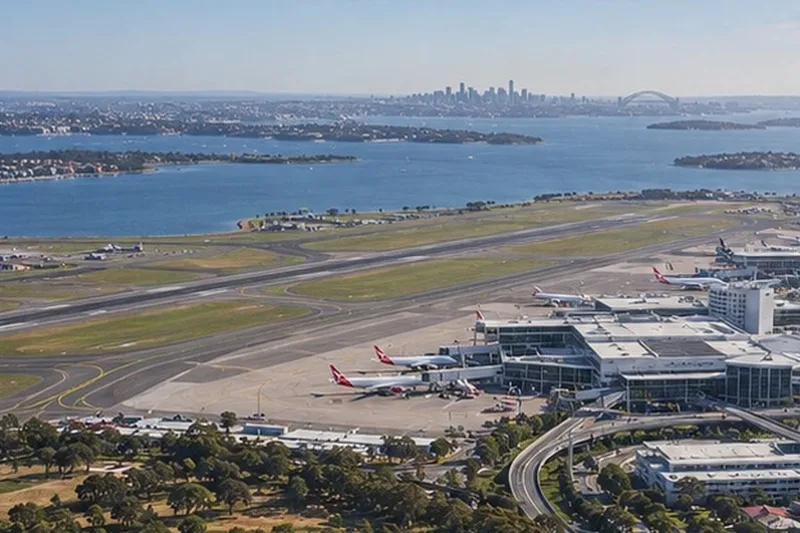
- Image: AI-generated editorial illustration for Simplifying Finance. Illustrative scene.
Figures are as reported by the companies or cited outlets as of 22 November 2026. Check the source before quoting. Corrections: let us know through the solution form.