What happened
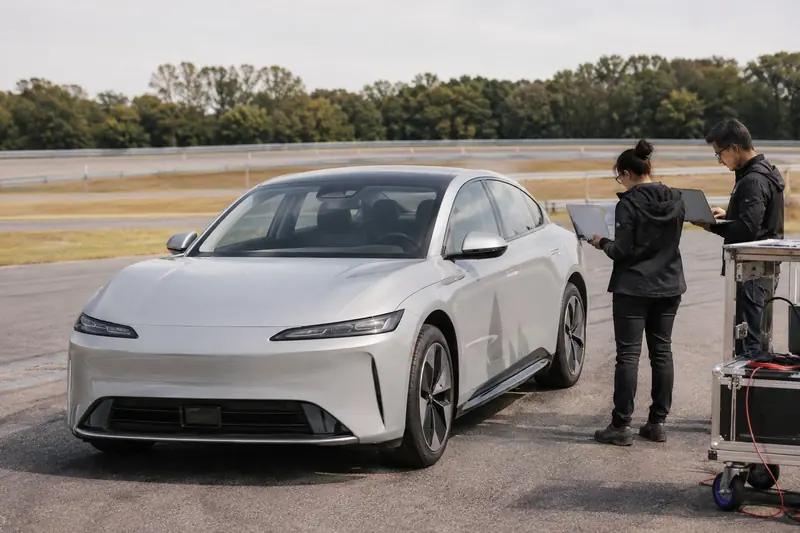
Xiaomi’s model sells hardware close to cost and earns money from services, internet advertising and a wide range of connected devices. Its loyal fan base and supply-chain skill let it enter the crowded Chinese EV market and become profitable unusually quickly.
Its car margins outpaced several larger rivals in 2025, helped by premium pricing and integration with its phones and home devices. The risks: China’s brutal EV price war, rising memory chip costs hurting phones, and safety scrutiny after a fatal crash in 2025.
The lessonAn ecosystem and a loyal customer base can be carried into a new industry — if execution is fast and focused.
Key moments
Lei Jun founds Xiaomi, selling phones online at slim margins.
It invests in hundreds of device makers to build a connected home ecosystem.
Xiaomi announces it will build electric cars, investing about $10bn.
The SU7 sedan launches; demand far exceeds supply.
The YU7 SUV follows; the car business makes its first annual operating profit.
For your seminar, paper or interview
- Q1
Why could Xiaomi succeed in cars when many tech companies failed?
- Q2
How does the “Human × Car × Home” ecosystem create value?
- Q3
Should Xiaomi take its cars abroad? What would change?
- Ecosystem strategy
- Related diversification
- Fan-based marketing
Propose your solution
Pick a discussion question and set out what you would do, why, and what it would cost. Strong, well-argued answers are reviewed and published below with your first name and programme.
Published solutions
Loading published solutions…
- Gasgoo: Xiaomi 2025 results and deliveries ↗
- Caixin: EV unit profits as phones falter ↗
- Gasgoo: EV margins compared with peers ↗
Figures are as reported in the cited sources. Check the source before quoting. Corrections: let us know through the solution form.