What happened
Residential deliveries do not arrive in a neat geographical order. A driver may pass the same street twice to honour different time windows. When a recipient is absent, a second attempt consumes more capacity without creating another parcel sale. A contract that looks profitable per package can therefore be loss-making per driver hour.
Yamato adjusted time windows in June and increased base rates by ¥140, ¥160 or ¥180 in October depending on parcel size. The published base increases related to smaller customers. Large corporate accounts can have negotiated terms. Applying the headline change to every parcel would exaggerate the effect on revenue and miss the commercial challenge of repricing high-volume contracts.
The distinction between size and service difficulty also matters. A compact parcel can consume an expensive second delivery attempt. A large parcel delivered once to a convenient address might use fewer minutes overall. Prices based only on physical dimensions are simple to communicate, although they only partly reflect the work involved.
A collection point can change that equation for both sides. It consolidates stops and gives the recipient more control over timing. It also requires an accessible location, storage and a clear process for parcels that are never collected. A viable incentive should be smaller than the delivery cost it avoids while still worthwhile to the recipient. Measuring it per successful handover makes it easier to see whether the change creates a saving or simply moves work from the driver to a poorly equipped partner.
A customer contract review should show both parcels collected at the sender’s warehouse and paid driver minutes spent delivering them. The first count captures volume. The second reveals the burden of narrow time windows and repeat calls. Comparing these quantities across contracts gives the sales team a defensible way to explain why similar senders may face different renewal prices.
Yamato Transport, Japan’s largest parcel carrier with about half the market, delivered a record 1.87 billion parcels in the year to March 2017. Online shopping, including a large share for Amazon Japan from 2013, had pushed volumes up while a shrinking workforce made drivers hard to hire. In early 2017 Yamato’s labour union asked management to limit the number of parcels accepted, and the company agreed to pay about ¥19 billion to some 47,000 employees for unpaid overtime.
In response, Yamato removed the 12:00–2:00 pm lunchtime delivery window, widened the evening slot, and announced its first general base-rate increase in 27 years, apart from consumption tax changes. From October 2017 base rates for individual customers rose by ¥140 to ¥180 depending on size. It also negotiated higher prices with large corporate clients and accepted fewer parcels from some of them.
The case is a clear example of a company choosing price over volume when capacity runs short. Free or cheap delivery had been part of e-commerce competition, but each parcel needs a driver’s time, and repeat attempts when no one is home add cost without revenue. By charging more and narrowing time windows, Yamato traded some volume for higher revenue per parcel and better working conditions. In 2017 its revenue grew about 4.9% as average unit prices rose, while parcel volumes fell. For businesses anywhere facing labour shortages, it shows how service promises such as narrow delivery windows can quietly destroy margins.
Yamato also changed how it worked, not only what it charged. It said it would hire about 10,000 people over three years, including drivers dedicated to evening deliveries, and encouraged customers to collect parcels from lockers and convenience stores. Each of these steps aimed to raise the number of parcels a driver could deliver successfully on the first attempt.
Key moments
Yamato announces service and pricing changes as it reviews its delivery workload.
Delivery time windows change, including removal of the noon-to-two slot.
New base charges take effect, differentiated by parcel size.
Increases applied to base rates for individual customers; the first general increase in 27 years. Sources: Japan Times; Quartz.
The trade-offs at the heart of the case
Delivery promises
A narrow window has value to the person receiving a parcel but may force the driver to revisit the same street during a busy route.
Volume discounts
A large sender can reduce collection costs while its dispersed recipients and evening delivery preferences increase the cost of the final handover.
Pricing and capacity
Higher rates can compensate drivers and fund new resources, but a change in price does not itself remove a single failed delivery attempt.
For your seminar, paper or interview
- Q1
Should a heavy parcel delivered on the first visit always cost more than a light parcel requiring several visits?
- Q2
How could Yamato share the savings from a successful delivery choice with the person receiving the parcel?
- Q3
Which resource limits output in the exhibit, and what is the least costly way to serve the next unit of demand?
- Q4
From the perspective of a driver responsible for a residential route, what evidence would most seriously challenge the recommendation in this case?
- Q5
Which of the three proposed metrics would you prioritise for Yamato Transport, and what could go wrong if management rewarded it in isolation?
- Pricing power
- Capacity constraints
- Customer profitability
- Labour economics
How we would approach it
Simplifying Finance’s opinion, offered as a starting point for debate, not as fact or investment advice.
Measure route economics by completed first-time deliveries per paid hour. Give customers reliable collection and rescheduling choices and share some of the savings when those choices lower cost. Reprice business contracts using actual volume patterns, destinations and delivery requirements.
Establish the baseline
Follow parcel, visit and paid-hour counts for the same streets. Split business contracts by parcel size, time-window constraints and failed deliveries.
Test the proposed change
Offer recipients a reliable alternative pickup option in several matched neighbourhoods and observe completed deliveries per paid hour.
Set a condition for reconsidering
Change the pricing or delivery promise if first-attempt success improves but driver overtime and complaints remain elevated.
What this plan gives up
Offering fewer delivery windows removes a convenience that some vulnerable or time-constrained customers genuinely depend on.
The strongest counter-argument
A premium for narrow windows could preserve the option for recipients who value it enough to cover the extra route cost.
Metrics to watch
- Paid minutes per completed parcel
- First-attempt success by customer type
- Contribution on negotiated contracts
- Parcels handled per year
- Unit price per parcel
Propose your solution
Pick a discussion question and set out what you would do, why, and what it would cost. Strong, well-argued answers are reviewed and published below with your first name and programme.
Published solutions
Loading published solutions…
- Yamato corporate history of its tariff changes ↗
- Contemporary notice of the June delivery-window changes ↗
- Yamato’s 2017 delivery business restructuring ↗
- Japan Times: Yamato raises delivery prices by ¥140–¥180 ↗
- AJOT: Why it took 27 years to hike prices at Yamato ↗
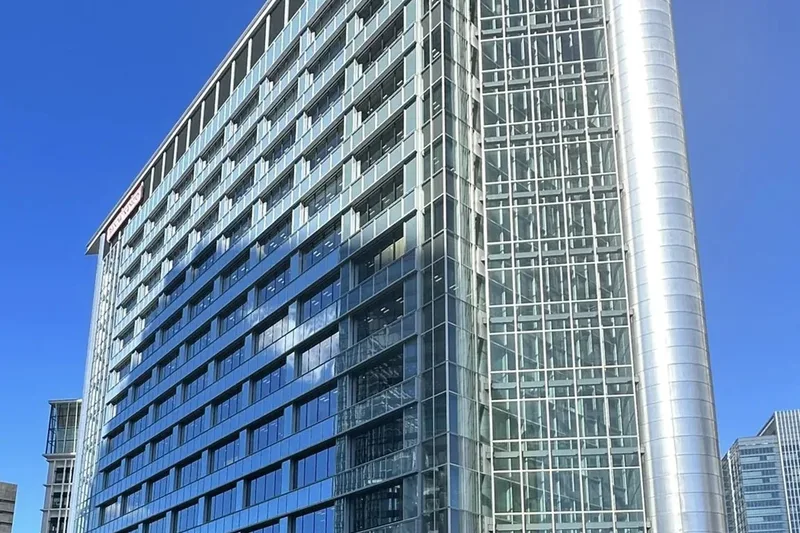
- Photo: Yamato Transport HQ.jpg by Akonnchiroll, CC0 (cropped and resized) ↗
Figures are as reported by the companies or cited outlets as of 22 November 2026. Check the source before quoting. Corrections: let us know through the solution form.