What happened
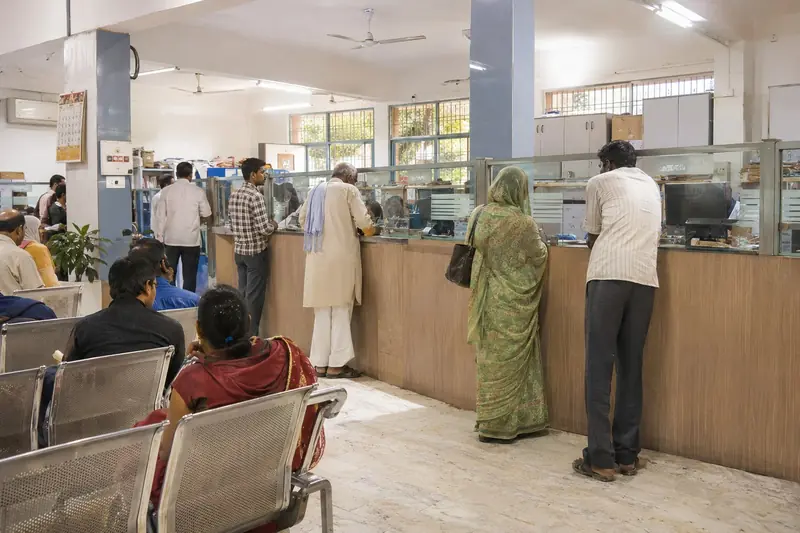
Yes Bank grew into India’s fifth-largest private lender by market value, lending heavily to companies that other banks avoided. When RBI inspections forced banks to disclose bad loans, its hidden problems surfaced.
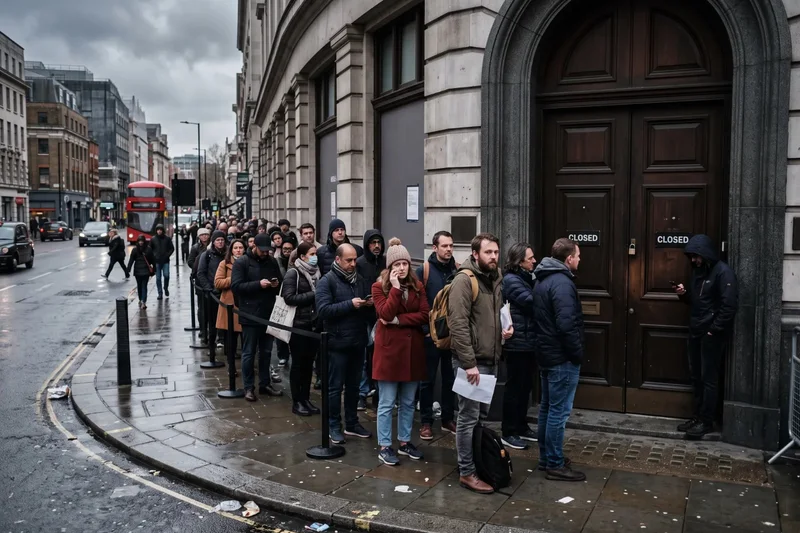
Investigators later alleged kickbacks to the founder in exchange for loans, including to DHFL promoters. Deposits drained as confidence fell, and the bank could not raise capital on its own.
The RBI’s reconstruction scheme kept the bank open: SBI and other lenders, including HDFC Bank, ICICI Bank and Axis Bank, bought new shares, a new board was installed and a liquidity line was made available. Most shares were locked in for three years.
The rescue protected depositors and avoided contagion, but questions remained about why supervisors acted so late and who should bear losses in a bank failure.
The lessonBanks that grow by taking risks others avoid can hide losses for years; early supervision and strong governance matter more than rescues.
Key moments
Rana Kapoor and Ashok Kapur launch Yes Bank.
Co-founder Ashok Kapur is killed in the Mumbai terror attacks.
The RBI orders Rana Kapoor to step down as CEO.
RBI imposes a moratorium and appoints an administrator.
The government approves a reconstruction scheme led by SBI.
Yes Bank resumes full operations.
For your seminar, paper or interview
- Q1
What warning signs could investors and regulators have spotted earlier?
- Q2
Was it fair to ask rival banks to fund the rescue?
- Q3
Who should bear losses when a bank fails?
- Q4
What must Yes Bank do to become a normal, trusted bank again?
- Bank resolution
- Moral hazard
- Corporate governance
- Credit risk management
Propose your solution
Pick a discussion question and set out what you would do, why, and what it would cost. Strong, well-argued answers are reviewed and published below with your first name and programme.
Published solutions
Loading published solutions…
- Yale Program on Financial Stability: Yes Bank moratorium ↗
- Business Standard: What is the Yes Bank crisis ↗
- ISAS NUS: How Yes Bank collapsed ↗
- Bhatt & Joshi: Regulatory and legal analysis ↗
Figures are as reported in the cited sources. Check the source before quoting. Corrections: let us know through the solution form.