What happened
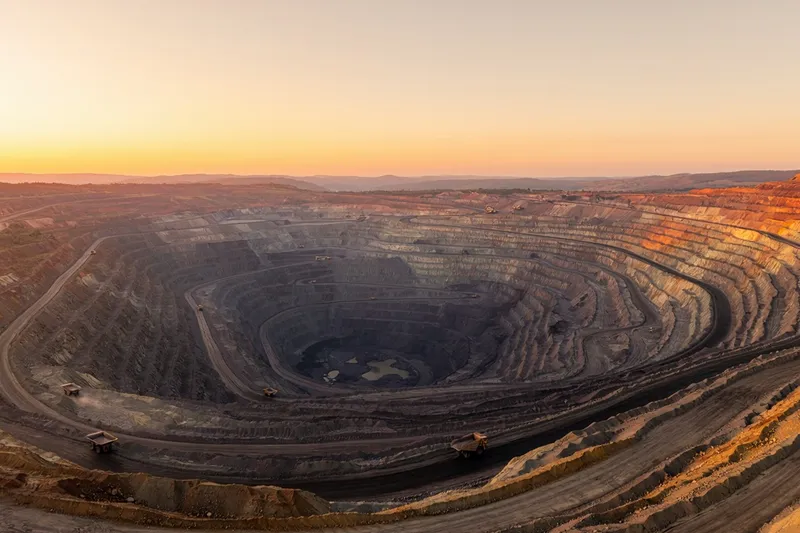
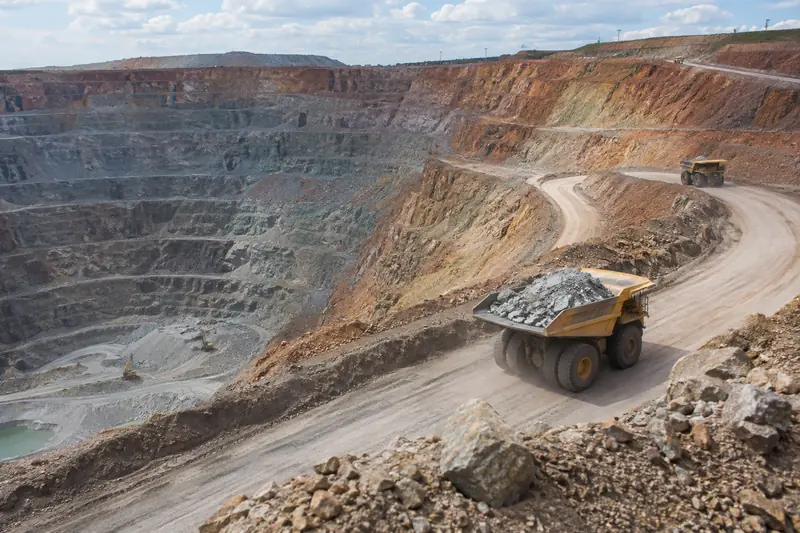
Zijin Mining grew from the Zijinshan gold and copper deposit in Shanghang county, Fujian. In the early 1990s the deposit was considered low grade and hard to mine profitably. Geologist Chen Jinghe, who led the project, used open-pit mining and heap leaching, a low-cost method of extracting gold from low-grade ore, to make it viable. Zijin became one of China’s largest gold producers.
Zijin’s distinctive skill was turning difficult, low-grade or troubled deposits into profitable mines through engineering and cost control. It listed in Hong Kong in 2003 and Shanghai in 2008, using the capital to expand. Over time it acquired mines in countries where Western miners were reluctant to operate or had struggled.
Its overseas portfolio grew rapidly. It bought the Bor copper complex in Serbia in 2018 and turned around a loss-making state company. It took a large stake in the Kamoa-Kakula copper project in the Democratic Republic of Congo, developed with Canada’s Ivanhoe Mines, which became one of the world’s largest new copper mines. It acquired gold mines in Guyana, Colombia, Suriname and Ghana, and lithium projects in Argentina and Tibet.
China needs large amounts of copper, gold and battery metals but has limited domestic resources. Zijin’s expansion fits a national strategy of securing supplies for industry, electric vehicles and renewable energy. Chinese state-backed financing and political relationships have sometimes helped, though Zijin is a commercial company listed on public markets.
2025 was an exceptional year. Gold prices reached record highs as central banks bought gold and investors sought safety. Copper prices also rose strongly on demand from electricity grids and electric vehicles. Zijin’s mined gold output rose 23.5% to about 90 tonnes, helped by acquisitions such as the Akyem mine in Ghana and the Raygorodok mine in Kazakhstan. Mined copper rose 2% to 1.09 million tonnes.
Revenue rose 15% to 349.1 billion yuan and net profit attributable to shareholders rose 61.6% to a record 51.8 billion yuan, about US$7.4 billion. Operating cash flow rose 54% to 75.4 billion yuan. The company also took control of Zangge Mining, a lithium producer, and proposed a dividend of 3.8 yuan per 10 shares.
In September 2025 Zijin spun off its overseas gold mines as Zijin Gold International and listed it in Hong Kong, raising about HK$28.7 billion in the largest gold mining IPO globally. The unit’s net profit attributable to owners rose 233% to US$1.6 billion in 2025. The listing gave investors a direct way to own Zijin’s international gold assets and raised capital for further acquisitions.
Zijin set ambitious targets for 2026: 105 tonnes of mined gold, 1.2 million tonnes of copper and 120,000 tonnes of lithium carbonate equivalent. New chairman Zou Laichang said the company would accelerate global acquisitions of gold and copper assets.
The case explores how mining companies create value through operational expertise and acquisitions, how commodity price cycles drive profits, and the political and social risks of operating in many countries.
Operating abroad carries risks. Zijin has faced environmental protests, disputes with local communities and governments, and concerns about labour and safety practices in some countries. Political instability, resource nationalism and changing tax regimes can affect profits. Western governments have also scrutinised Chinese investment in critical minerals.
Commodity cycles are a further risk. Mining profits rise sharply when prices are high and fall when they drop. Acquisitions made at the top of a cycle can prove costly if prices fall. Zijin’s challenge is to keep expanding without overpaying.
For investors, Zijin shows how a company can build a global position by specialising in difficult assets and moving quickly when others hesitate.
Gold’s rise in 2025 reflected central bank buying, geopolitical tensions and investor demand for safe assets. Copper benefited from demand for electrical wiring, grid upgrades, data centres and electric vehicles, which use far more copper than petrol cars. Lithium prices, by contrast, had fallen sharply from their 2022 peak.
All-in sustaining cost, a common mining measure, shows how much it costs to produce an ounce of gold including ongoing investment. Zijin’s international gold operations report costs well below recent gold prices, giving them wide margins at current prices.
Its rise also shows how Chinese companies are reshaping the global mining industry once dominated by Western firms.
Its next acquisitions will test whether its discipline matches its ambition.
Key moments
Zijin Mining established in Fujian.
Listed in Hong Kong.
Acquires Serbia’s Bor copper complex.
Kamoa-Kakula copper mine starts production.
Zijin Gold International lists in Hong Kong.
Record profit of 51.8bn yuan.
Revenue rose 15% to 349.1bn yuan. Source: Zijin Mining via HKEX and Longbridge.
The trade-offs at the heart of the case
Growth vs. discipline
Acquisitions at high prices.
Profit vs. communities
Mining benefits versus local impacts.
Commercial vs. geopolitical
Business deals shaped by politics.
For your seminar, paper or interview
- Q1
What made Zijin good at developing difficult mines?
- Q2
How do commodity prices drive mining profits?
- Q3
Why did Zijin list its gold unit separately?
- Q4
What risks come with operating in many countries?
- Q5
How should Zijin decide which assets to buy?
- Commodity cycle analysis
- Cross-border acquisitions
- Country risk
- Operational excellence
How we would approach it
Simplifying Finance’s opinion, offered as a starting point for debate, not as fact or investment advice.
Zijin’s operational skill and willingness to take on hard projects have made it a global leader. It should use the current boom to strengthen its balance sheet, buy assets only when they make sense at lower prices, and invest in community and environmental standards to reduce political risk.
Buy with discipline
Avoid overpaying at the top of the cycle.
Strengthen ESG
Improve environmental and community practices.
Diversify metals
Balance gold, copper and lithium exposure.
Return cash
Keep dividends rising with profits.
What this plan gives up
Higher ESG standards raise costs and slow project development.
The strongest counter-argument
Some argue Zijin should expand aggressively now, while it has cash and Western rivals are cautious.
Metrics to watch
- Gold and copper prices
- Production growth
- Acquisition prices
- Country risk events
- Dividend payout
Propose your solution
Pick a discussion question and set out what you would do, why, and what it would cost. Strong, well-argued answers are reviewed and published below with your first name and programme.
Published solutions
Loading published solutions…
- Longbridge: Zijin Mining record results 2025 ↗
- Quartr: Zijin Mining Q4 2025 summary ↗
- Mining.com: Zijin plans gold output push after record profit ↗
- Mexico Business News: Zijin targets 105t gold production ↗
Figures are as reported by the companies or cited outlets as of 22 November 2026. Check the source before quoting. Corrections: let us know through the solution form.