The idea
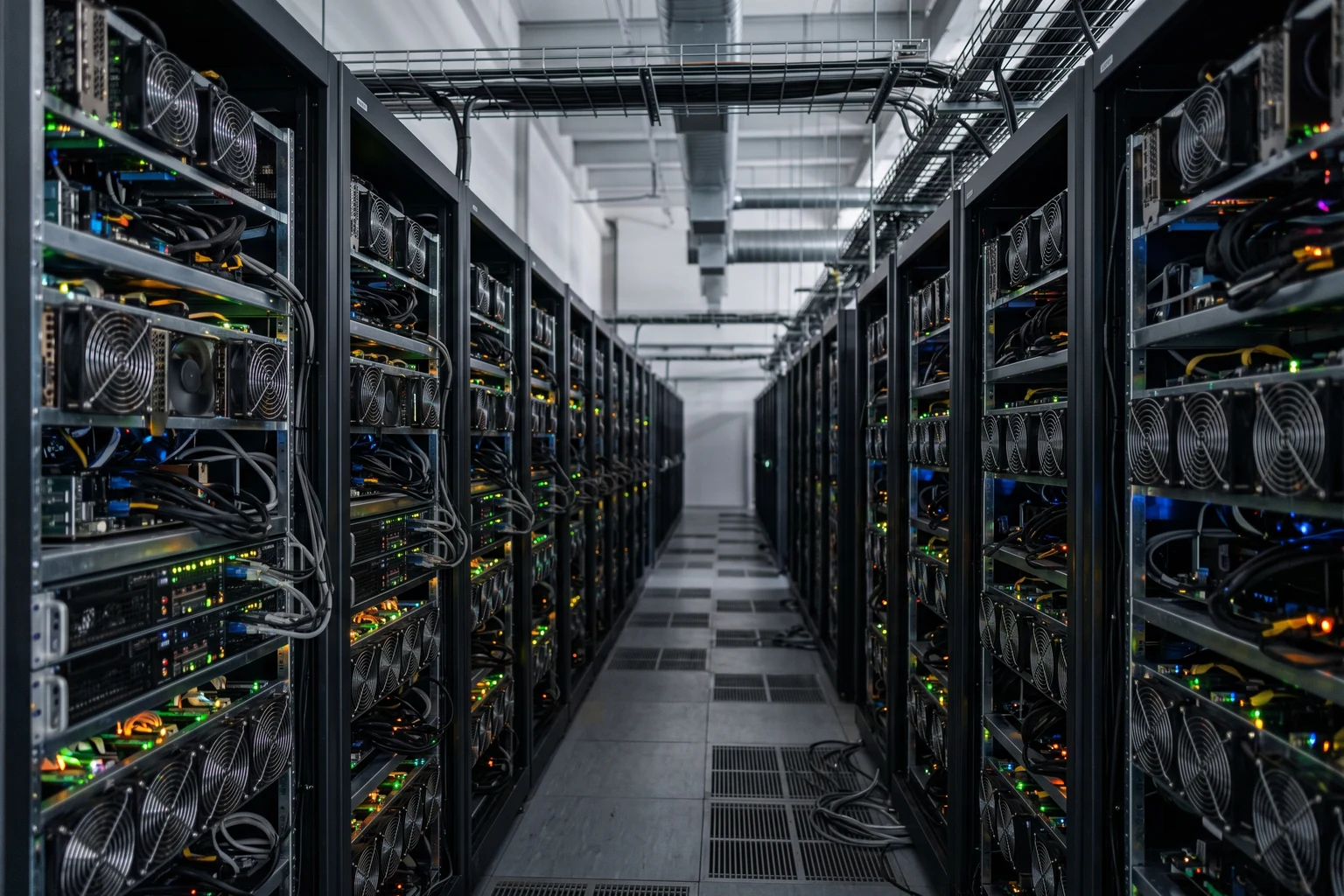
Bitcoin mining secures the network. Miners use specialised computers to compete in solving a mathematical puzzle; the winner adds the next block and earns a reward. A new block is added roughly every ten minutes. Mining is a competitive business where profit depends on the bitcoin price, costs and how many others are mining.

Revenue sources
Miners earn the block subsidy, newly created bitcoin, plus transaction fees paid by users. After the April 2024 halving, the subsidy is 3.125 bitcoin per block. Fees vary with network demand, sometimes spiking during busy periods.
Main costs
| Cost | Why it matters | Typical driver |
|---|---|---|
| Electricity | Largest ongoing cost | Price per kilowatt-hour |
| Mining hardware (ASICs) | Expensive, becomes obsolete | Efficiency in joules per terahash |
| Cooling and facilities | Machines produce heat | Climate, data centre design |
| Staff and maintenance | Keep machines running | Scale of operation |
| Financing | Many miners borrow | Interest rates |
Hashrate and difficulty
Hashrate measures the total computing power on the network. Difficulty adjusts about every two weeks so that blocks continue to arrive roughly every ten minutes. When more miners join, difficulty rises, so each miner earns less bitcoin for the same machines.
The halving squeeze
Each halving cuts the subsidy by half overnight. Unless the bitcoin price rises or fees increase, miners’ revenue falls sharply. Less efficient miners with expensive power may be forced to switch off.
Hashprice
Miners track hashprice, the expected revenue per unit of computing power per day. It combines bitcoin price, fees, subsidy and difficulty. Falling hashprice pressures margins.
Cheap power wins
Because electricity is the main ongoing cost, mining tends to move to places with cheap, often surplus, power: hydroelectric regions, areas with stranded natural gas, or places with excess renewable energy. Some miners agree to switch off during peak demand, helping grids balance load.
Listed miners
Several mining companies are listed on stock exchanges. Their shares often move more than bitcoin itself, because their profits are leveraged to the bitcoin price. They also carry business risks such as debt, power contracts and equipment upgrades.
Environmental debate
Bitcoin mining uses a large amount of electricity, comparable to some countries. Critics point to emissions; supporters note growing use of renewables and stranded energy. Estimates of the energy mix vary widely.
Pools
Individual miners usually join mining pools, which combine computing power and share rewards in proportion to work contributed. This smooths income, as a single small miner might go years without winning a block alone.
The long-term question
The subsidy will keep halving until around 2140. Over time, fees must make up a larger share of miners’ revenue to keep the network secure. Whether fee income will be enough is an open debate.
UAE and region
Some Gulf entities have invested in mining operations, drawn by energy resources. In the UAE, mining-related activities are subject to licensing and regulation depending on the emirate and free zone.
Hardware cycles
Mining machines improve in efficiency every year or two. Older models become unprofitable as difficulty rises, especially after halvings, and are often sold to operators with cheaper power or scrapped. Miners must keep reinvesting in new equipment, which ties up capital.
Hedging and treasury
Some miners sell their bitcoin immediately to cover costs, while others hold it, betting on higher prices. Holding adds risk if prices fall. Some use futures or options to lock in prices for part of their output.
Break-even cost
Analysts estimate the all-in cost to produce one bitcoin for different miners, including power, hardware depreciation and overheads. When the market price falls below many miners’ costs, hashrate often drops as machines switch off, and difficulty later adjusts down.
Fees after halvings
Fee income can soften a halving’s impact. Around the April 2024 halving, demand for new types of bitcoin transactions briefly pushed fees very high, but they later fell back, showing how volatile this revenue source is.
A realistic scenario
A miner runs machines producing about 20 petahashes per second. Before the halving, daily revenue is about 2,000 dollars and power costs 1,100. After the halving, with no price change, revenue drops to about 1,000, close to the power bill, so the miner upgrades to more efficient machines to stay profitable.
Questions to ask yourself
- What is the miner’s cost of power?
- How efficient is the hardware?
- How did the last halving affect margins?
- How much debt does the company carry?
- How sensitive are its shares to bitcoin’s price?
The short version
Bitcoin mining earns new coins and fees in return for electricity and hardware. Halvings and rising difficulty squeeze margins, so cheap power and efficient machines decide who survives.
Illustration: daily revenue 2,000 before a halving, power cost 1,100, margin 900. After the halving, revenue ≈ 1,000 at the same price and difficulty, margin ≈ −100 before other costs. Hypothetical figures.
Miners spend electricity and hardware to earn new bitcoin and fees. Each halving cuts revenue, so only efficient miners with cheap power stay profitable.
Primary educational references
Cambridge Centre for Alternative Finance · Bitcoin electricity consumption ↗
Reviewed November 28, 2026. Examples are hypothetical illustrations. Educational content, not personalised investment, legal or tax advice.