The idea
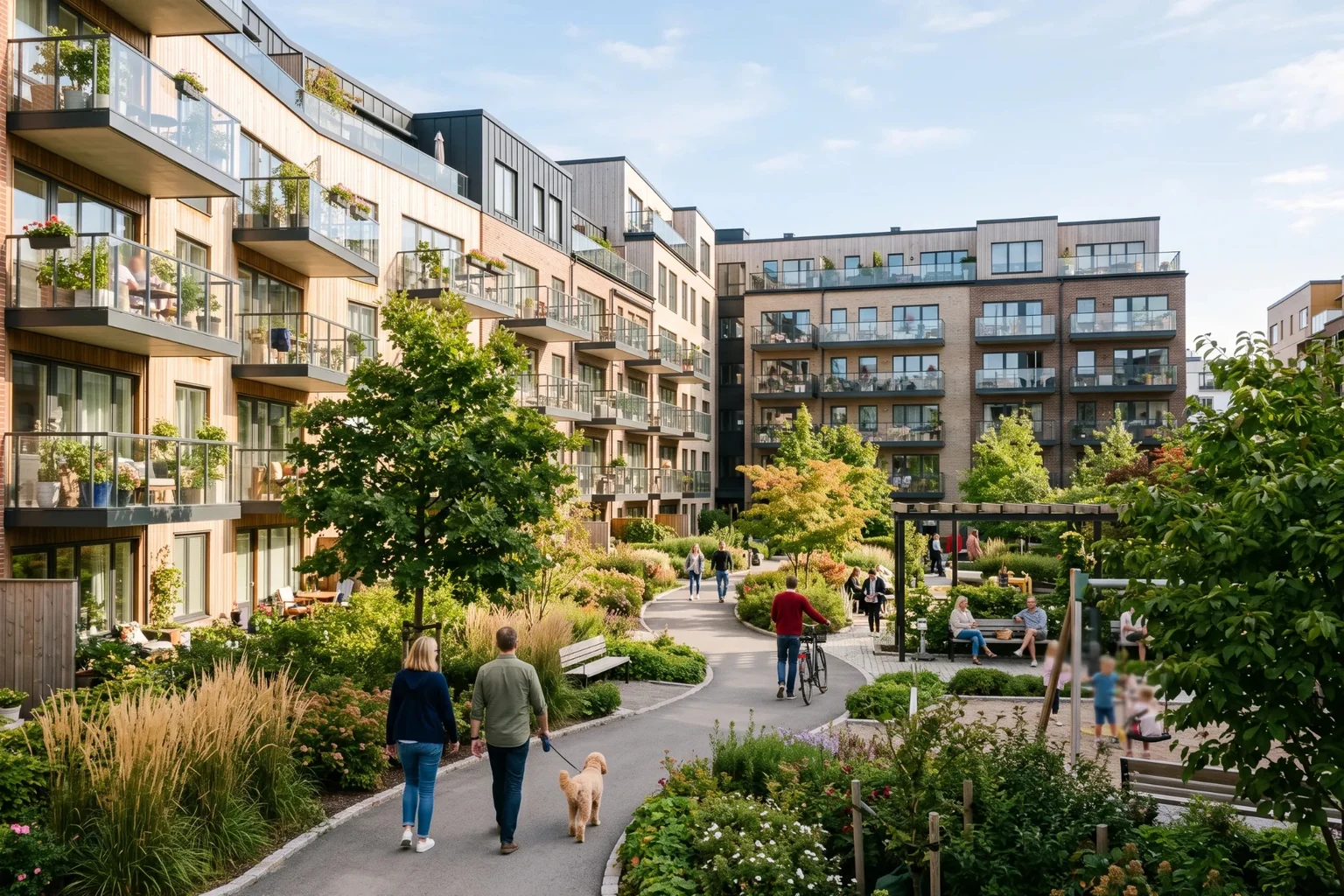
Build-to-rent, often called multifamily in the US, means whole buildings or developments built specifically for renting rather than selling individual units. A single owner, often a pension fund, insurer or property company, holds the whole scheme and lets the homes through a professional management team.

How it differs from buy-to-let
| Feature | Build-to-rent | Individual buy-to-let |
|---|---|---|
| Owner | Institution or fund | Private landlord |
| Scale | Hundreds of homes | One or a few |
| Management | On-site professional teams | Landlord or agent |
| Amenities | Gyms, lounges, co-working | Usually none |
Why investors like it
Rental housing demand is driven by population growth, high house prices and people renting for longer. Build-to-rent offers diversified income from many tenants, with rents that often rise with inflation over time. Pension funds and insurers value long-term, steady cash flows that match their long-term obligations.
How returns are made
Returns come from net rental income after operating costs, plus any rise in property value. Investors often focus on the net operating income yield on cost when developing, and on stabilised yields once a scheme is fully let. Operating costs in build-to-rent are typically higher than for single lets because of staff and amenities.
Market growth
The US multifamily sector is a major institutional asset class with millions of units. In the UK, build-to-rent has grown rapidly since the mid-2010s, with tens of thousands of completed homes and more in the pipeline. Other European countries and Japan also have established institutional rental markets.
Benefits for renters
Renters may get longer tenancies, professional maintenance, no dealing with individual landlords, and shared facilities. Some schemes offer pet-friendly policies and furnished homes. Rents are often higher than nearby older stock, reflecting quality and services.
Risks for investors
Risks include oversupply in a city, rising interest rates reducing property values, high operating costs, regulation such as rent controls, and construction delays and cost overruns during development. Occupancy can take time to build after completion, so cash flow in the early years may be lower.
Policy debates
Large-scale rental ownership raises questions about affordability, tenant rights and the role of institutions in housing. Some cities have introduced rent caps or affordable housing requirements. Supporters argue build-to-rent adds new supply and improves standards.
How individuals gain exposure
Individuals usually gain exposure through listed property companies or real estate investment trusts that own residential portfolios, or through property funds. These carry market risk and can trade below the value of their properties.
The Gulf angle
In Dubai and Abu Dhabi, large developers and investment firms own and manage residential towers for rent, alongside individual investors who buy units to let. The market includes professionally managed rental communities with shared facilities, similar in spirit to build-to-rent elsewhere.
Single-family rental
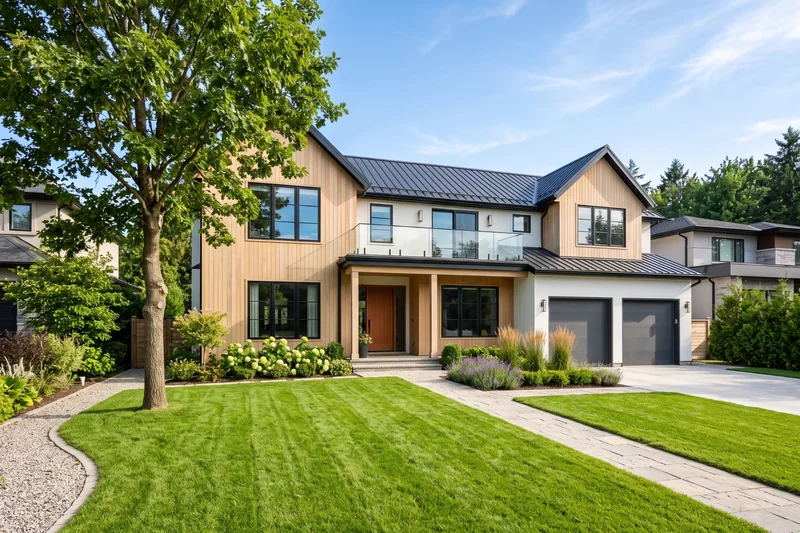
A related trend is institutional ownership of single-family houses for rent, particularly in the US, where large investors bought tens of thousands of homes after the 2008 housing crash. These portfolios are managed using technology for leasing and maintenance across many scattered properties. The model attracts similar debates about affordability and competition with first-time buyers, and similar risks for investors around regulation and operating costs.
What makes a scheme succeed
Location near jobs and transport, the right mix of unit sizes, sensible rents for the area and strong management usually decide whether a scheme fills quickly and keeps tenants. Schemes that keep tenants for longer save on marketing, void periods and refurbishment between lets, which can add meaningfully to net income over time. Many operators therefore focus heavily on service quality and community events.
A realistic scenario
A pension fund finances a 300-home rental block near a new rail station. After completion it takes 18 months to reach 95% occupancy. Once stable, the scheme produces a net yield of around 4% to 5%, and rents are reviewed annually in line with local market rates.
Questions to ask yourself
- What drives rental demand in this area?
- What are operating costs as a share of rent?
- How exposed is income to regulation?
- What happens to value if interest rates rise?
- How quickly can new schemes fill up?
The short version
Build-to-rent means whole buildings designed for renting and owned by institutions. Investors seek steady, diversified income; renters get professional management. Oversupply, regulation, costs and interest rates are the main risks.
Illustration: a 300-home scheme earns 6 million in rent. After 2 million of operating costs, net income is 4 million. If the scheme is valued at a 4.5% yield, it is worth about 89 million. Hypothetical figures.
Build-to-rent schemes are designed and run as rental homes from the start. Investors seek steady, inflation-linked income, while renters get professional management and shared amenities.
Primary educational references
British Property Federation · Build-to-rent ↗
National Multifamily Housing Council ↗
Reviewed November 28, 2026. Examples are hypothetical illustrations. Educational content, not personalised investment, legal or tax advice.