The idea
Burning fossil fuels releases carbon dioxide that contributes to climate change, a cost that the polluter normally does not pay. A carbon tax puts a price on each tonne of emissions, so the cost shows up in the price of fuel, electricity and goods. Economists see it as one of the most efficient ways to reduce emissions.

Tax or trading
| Approach | What is fixed | Example |
|---|---|---|
| Carbon tax | The price per tonne | Sweden, Canada’s federal fuel charge historically |
| Emissions trading | The total amount of emissions | EU Emissions Trading System |
| Hybrid | Price floors or ceilings in a trading system | Some national schemes |
How a carbon tax works
The government sets a price per tonne of carbon dioxide, applied usually to fuels at the point they enter the economy, such as at refineries or import terminals. The cost passes through to users. A carbon tax gives price certainty but not certainty about how much emissions will fall.
How emissions trading works
In a cap-and-trade system, the government caps total emissions from covered sectors and issues or auctions allowances. Companies must hold one allowance per tonne they emit. Those who cut emissions cheaply can sell spare allowances, while others buy them. The cap tightens over time.
Real examples
Sweden introduced a carbon tax in 1991 and has one of the highest rates in the world. The EU Emissions Trading System, launched in 2005, covers power, industry and aviation within Europe, and has been extended to maritime transport. China launched a national emissions trading system for its power sector in 2021.
Border adjustments
If one region prices carbon and others do not, production could move to places without a price. The EU’s Carbon Border Adjustment Mechanism applies a carbon charge to certain imports, such as steel, aluminium and cement, with the definitive phase starting in 2026, so imports face a similar carbon cost to EU production.
Who pays and revenue use
Carbon taxes raise prices for energy-intensive goods, which can weigh on lower-income households. Governments can use the revenue to cut other taxes, invest in clean energy or return money directly through dividends or rebates, which can leave many households better off overall.
Effects on companies
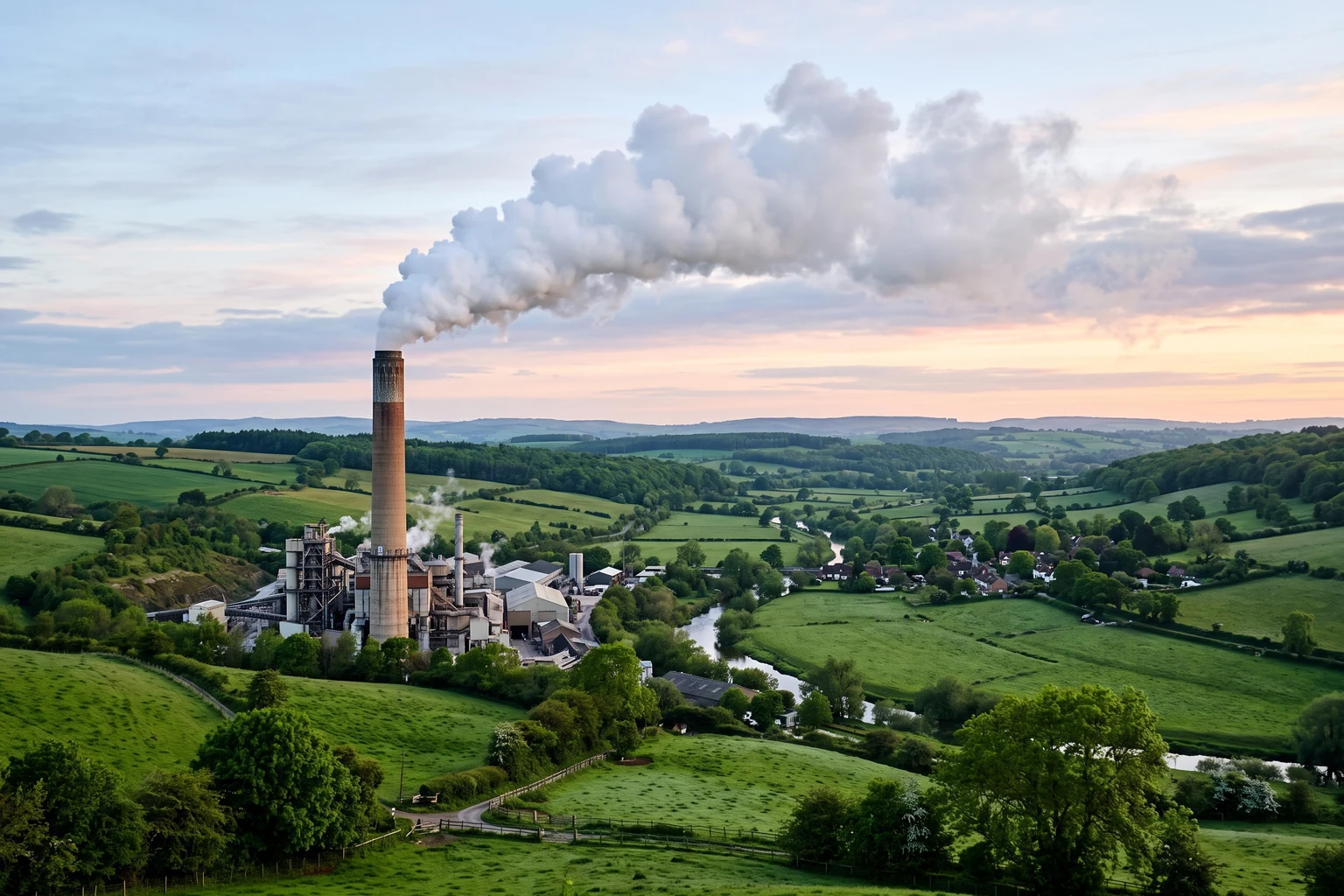
Carbon pricing raises costs for high-emitting businesses such as cement, steel, power and airlines, and rewards cleaner competitors. Companies respond by improving efficiency, switching fuels or investing in new technology. Many large firms now use an internal carbon price when evaluating investments.
What investors watch
Investors look at how exposed a company is to rising carbon prices, how much it can pass on to customers and how quickly it is cutting emissions. Carbon allowance prices themselves are also traded, and some funds hold them as an investment.
Criticisms and limits
Critics argue carbon prices are often too low to drive deep cuts, cover only part of the economy, or hurt competitiveness. Supporters respond that prices can rise gradually and work best alongside regulation, research support and help for affected communities.
Carbon pricing in everyday prices
For households, carbon pricing usually appears indirectly: slightly higher petrol, heating or electricity prices, and small increases in the cost of carbon-intensive goods. Over time, it shifts choices such as the type of car bought, how homes are heated and how electricity is generated. The aim is a gradual change in millions of decisions rather than a single dramatic event.
Voluntary carbon markets
Alongside government schemes, there are voluntary markets where companies buy carbon credits to offset emissions, for example from forest protection or renewable projects. Their quality varies widely, and critics argue that some credits do not deliver real reductions. Regulated carbon prices and voluntary offsets are very different things, and investors should not confuse the two.
A realistic scenario
A cement plant emits 800,000 tonnes of carbon dioxide a year. At a carbon price of 80 per tonne, its annual cost would be 64 million. Investing in a cleaner kiln that cuts emissions by 20% would save about 12.8 million a year at that price, making the upgrade far easier to justify.
Questions to ask yourself
- Does this company operate under a carbon price?
- How much of its cost could it pass on?
- Is it cutting emissions faster than the cap tightens?
- Will border adjustments affect its exports?
- How is carbon revenue used where I live?
The short version
Carbon taxes and emissions trading put a price on greenhouse gases, making pollution costlier and clean choices more attractive. They reshape costs for heavy industry and matter increasingly for investors.
Illustration: 800,000 tonnes × 80 per tonne = 64,000,000 a year. A 20% cut in emissions saves 160,000 tonnes × 80 = 12,800,000 a year. Hypothetical price and plant.
A carbon price makes polluting activities more expensive and cleaner choices relatively cheaper, letting businesses and households decide how to cut emissions.
Primary educational references
World Bank · Carbon pricing dashboard ↗
European Commission · EU Emissions Trading System ↗
Reviewed November 28, 2026. Examples are hypothetical illustrations. Educational content, not personalised investment, legal or tax advice.