The idea
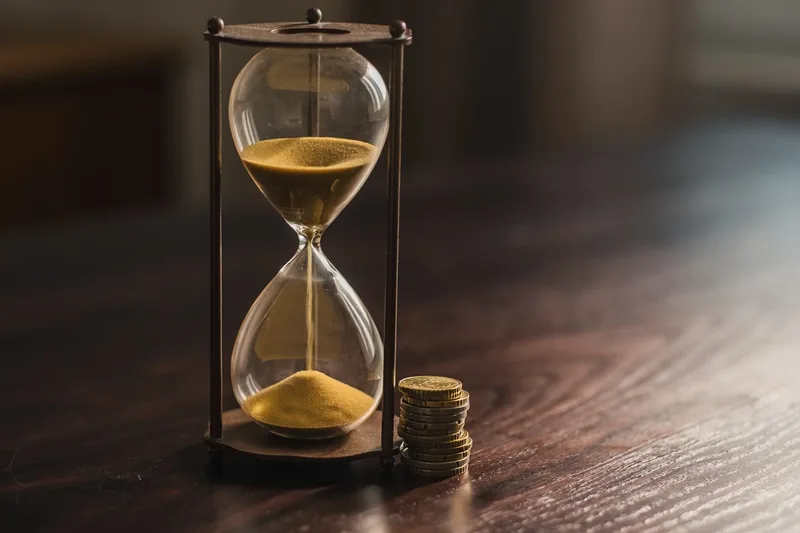
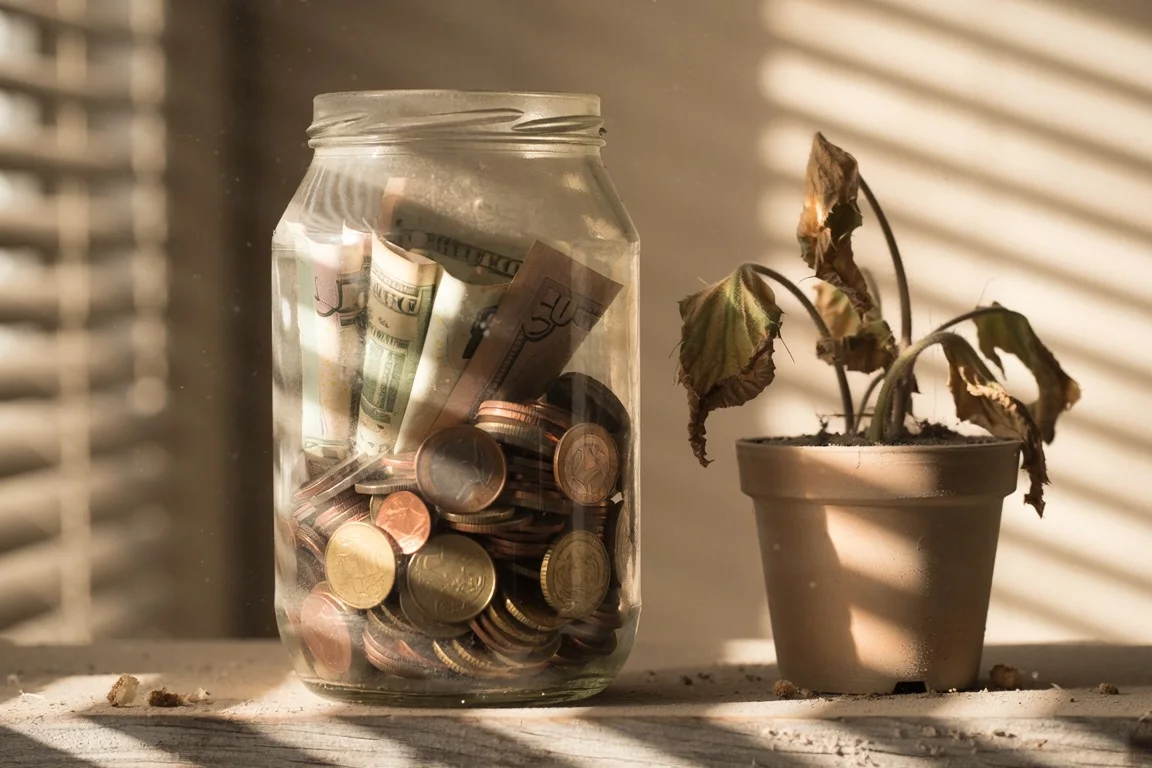
Cash drag is the gap between what a portfolio earns and what it would have earned if the idle cash had been invested. Cash is useful and sometimes essential, but over long periods it usually earns less than shares or bonds. Every dollar left sitting in cash for years pulls the overall return down.
Cash drag shows up in two places: in your own account, when money waits to be invested, and inside funds, when managers keep a slice uninvested to meet withdrawals.

How big can it get?
The cost depends on how much cash you hold, how long you hold it and the gap between cash rates and investment returns. The table uses an illustrative 7% return on investments and 3% on cash for a $100,000 portfolio over 20 years.
| Cash held | Value after 20 years | Shortfall vs fully invested |
|---|---|---|
| 0% | $387,000 | — |
| 5% | $377,000 | $10,000 |
| 10% | $366,000 | $21,000 |
| 20% | $346,000 | $41,000 |
| 40% | $304,000 | $83,000 |
Why investors hold too much cash
Often cash builds up by accident. Dividends are paid into the account and never reinvested. A bonus arrives and waits for the "right moment". Money from a sold investment sits while you research the next one. Months turn into years.
Fear plays a part too. After a market fall, or when headlines are worrying, many investors hold cash waiting for a dip. Markets have historically spent more time rising than falling, so waiting has usually cost more than it saved. Even professional investors find it very hard to time the market well.
Cash drag inside funds
Active funds and some index funds keep a small cash buffer, often 1% to 5%, to pay investors who sell. In rising markets this buffer slightly reduces returns. Index funds and ETFs usually keep it very small and may use futures to stay fully invested, which helps them track their index closely.
When comparing funds, look at the cash weight on the fact sheet. A fund that regularly holds 10% in cash is effectively charging you for a portfolio that is only 90% invested.
When cash is the right choice
Cash is not the enemy. An emergency fund of three to six months of expenses should be in cash or something very close to it. Money needed within the next two or three years, for a home deposit, school fees or a wedding, also belongs in cash or short-term deposits, because shares can fall sharply in that time.
Cash also gives you flexibility. Investors approaching retirement often hold one or two years of spending in cash so they never have to sell shares during a downturn. In each case the cash has a job, and the amount is set by that job, not by mood.
Reducing cash drag in practice
Turn on automatic dividend reinvestment, or choose accumulating funds that reinvest income inside the fund. Set up a monthly investment plan so new savings are invested on a schedule. When you sell something, decide in advance where the money will go.
Check your account every few months for cash that has built up. Some platforms pay little or no interest on uninvested cash, so the real cost can be even higher than the illustration above.
Lump sum or gradual?
If you have a large sum to invest, the evidence suggests investing it all at once has usually produced higher returns than spreading it out, because markets tend to rise over time. Spreading it over a few months can still make sense if it helps you invest at all rather than waiting indefinitely. Either choice is better than leaving it in cash for years.
A realistic scenario
Hamad checks his brokerage account and finds AED 85,000 in cash. Some came from dividends, some from a bonus he meant to invest and some from shares he sold a year ago. His platform pays almost no interest on uninvested cash.
He works out his needs: AED 40,000 is already held separately as his emergency fund, so none of this cash has a job. He turns on automatic dividend reinvestment, invests AED 60,000 into his target funds straight away and spreads the remaining AED 25,000 over three months because it makes him more comfortable. He sets a calendar reminder to check for idle cash every quarter.
Questions to ask about your cash
- What specific job is each part of my cash doing?
- How much uninvested cash is sitting in my brokerage account?
- Are dividends being reinvested automatically?
- What interest does my platform pay on idle cash?
- Am I holding cash out of a plan, or out of fear?
The short version
Cash drag is the long-term cost of money left uninvested. Keep cash for emergencies and near-term needs, then invest the rest on a schedule. Automate reinvestment and check regularly for idle balances, because a few years of drift can cost more than any fund fee.
Illustration: $100,000 invested for 20 years at 7% a year grows to about $387,000. If 20% is left in cash earning 3%, the portfolio grows to about $346,000. The idle cash costs roughly $41,000 over two decades.
Hold cash for a purpose: emergencies, near-term spending or a planned purchase. Long-term money left idle by habit can cost more than any fee.
Primary educational reference
Investor.gov · Asset allocation ↗Reviewed November 21, 2026. Examples are hypothetical illustrations in AED or USD. Educational content, not personalised investment, legal or tax advice.