The idea
We usually assume more choice is better. But when there are too many options, people can feel overwhelmed. They may put off deciding, choose a default without thinking, or feel less satisfied with whatever they pick. This is known as choice overload.
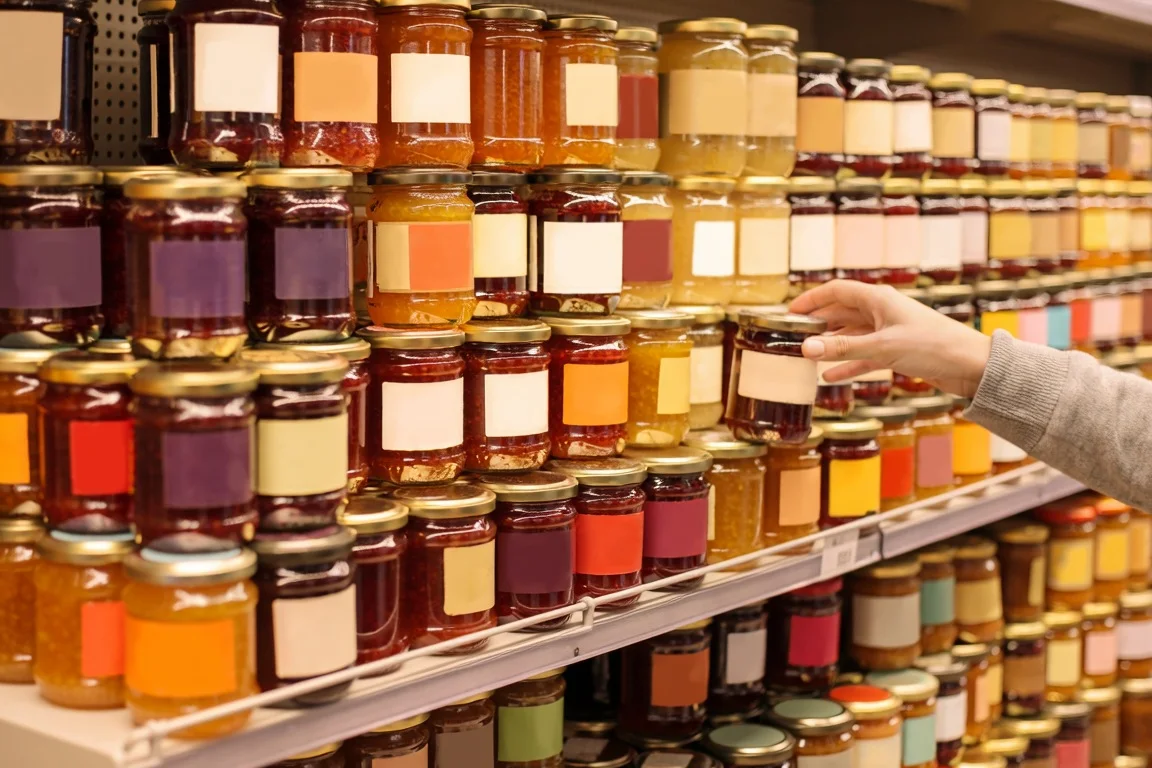
The idea became famous through a study by psychologists Sheena Iyengar and Mark Lepper in a California supermarket, where a large display of jams drew more visitors but led to far fewer purchases than a small display.

Choice overload in finance
Financial products come with a bewildering range of options: thousands of funds, dozens of credit cards, many mortgage structures and pension plans with long lists of investments. Research on US workplace pension plans by Iyengar and colleagues found that participation fell as the number of funds offered rose, by roughly 1.5 to 2 percentage points for every ten extra funds.
People faced with many options may also spread money evenly across them, or pick funds with familiar names, rather than building a portfolio that suits their needs.
What the research really shows
Choice overload is real but not universal. A 2010 review of 50 studies by Benjamin Scheibehenne and colleagues found the average effect close to zero, with strong effects in some situations and none in others. Overload is more likely when options are hard to compare, when people lack clear preferences, and when the decision feels important.
When overload is likely
Certain conditions make too much choice a problem.
| Condition | Example |
|---|---|
| Options are complex | Insurance policies with many features |
| No clear favourite | Dozens of similar index funds |
| Decision feels high-stakes | Choosing a pension investment |
| Little time or expertise | Choosing a loan at a branch |
| No easy way to compare | Fees shown in different formats |
Simplify with criteria
The best defence is to decide what matters before looking at the options. For a fund, that might be low fees, broad diversification and the right asset mix for your age. Then filter ruthlessly. Most people end up choosing from three or four candidates, which is far more manageable.
Comparison tools and independent ratings can help, but make sure you understand how they rank products and whether they are paid by providers.
Good defaults
A well-designed default option takes the pressure off. Many pension plans now use target-date funds, which automatically shift from shares to bonds as retirement approaches, as their default. For many people, a sensible default beats an agonised choice among dozens of options.
Satisficing vs maximising
Psychologists distinguish between maximisers, who try to find the very best option, and satisficers, who choose the first option that meets their standards. Studies suggest maximisers often get slightly better outcomes but feel less satisfied. In personal finance, a good-enough choice made today usually beats the perfect choice made next year.
Choice and satisfaction
Even when people do make a choice from a large set, they can end up less happy with it. With more options, it is easier to imagine that another choice would have been better, which fuels regret. Psychologist Barry Schwartz called this the paradox of choice. Limiting how long you spend comparing, and not revisiting a decision too often once made, can help you feel settled with your choice.
A realistic scenario
Dalia opens a brokerage account and finds over 2,000 funds. She writes three rules: total fees under 0.3% a year, global diversification, and at least ten years of history. That leaves five funds. She compares them for an evening, picks one and sets up a monthly investment the same week.
Questions to ask yourself
- Have I delayed a decision because there are too many options?
- What are my three most important criteria?
- Can I narrow the list to three or four candidates?
- Is there a sensible default I can use?
- Is good enough today better than perfect later?
The short version
Too many choices can lead to delay and poorer decisions, especially for complex, high-stakes choices like pensions and loans. Decide your criteria first, narrow the list, use good defaults, and aim for a sound choice rather than a perfect one.
Illustration: in a famous supermarket study, 30% of shoppers who stopped at a table of 6 jams bought a jar, compared with 3% of those who saw 24 jams. More choice attracted attention but led to fewer decisions.
When faced with endless options, set a few clear criteria, narrow the list, and remember that a good, simple choice made today beats a perfect one never made.
Primary educational reference
Iyengar & Lepper · When choice is demotivating (Journal of Personality and Social Psychology, 2000) ↗Reviewed November 21, 2026. Examples are hypothetical illustrations in AED or USD. Educational content, not personalised investment, legal or tax advice.