The idea
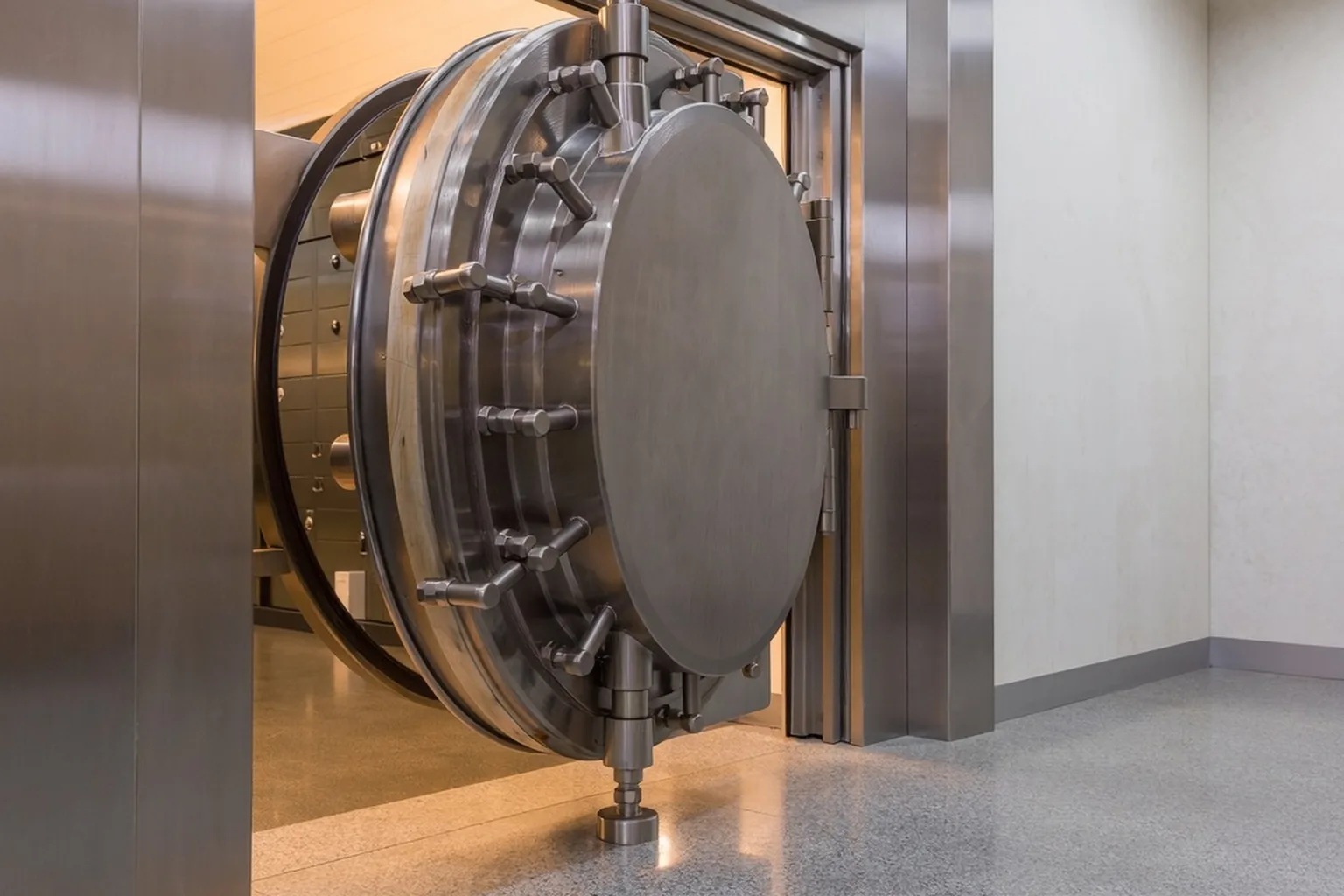
When you buy shares or funds through a broker, you rarely hold them directly. A custodian, usually a bank or specialist firm, holds the securities, often in a pooled account in the name of a nominee, while the broker's records show what belongs to you. Good regulation requires these client assets to be segregated from the firm's own assets, so creditors cannot claim them if the firm fails.
Key protections to look for
| Protection | What it means |
|---|---|
| Regulation | Licensed by the SCA, DFSA, FSRA or a strong overseas regulator |
| Segregation | Client assets and money kept separate from the firm's own |
| Independent custodian | Securities held with a regulated third-party bank or custodian |
| Reconciliation and audit | Regular checks that records match the assets held |
| Compensation schemes | Some overseas regulators offer limited compensation if a firm fails; check what applies to your account |
If a platform fails
You hold AED 500,000 of ETFs and AED 20,000 of cash with a platform that collapses.
If the ETFs are properly segregated with a custodian, an administrator should return or transfer them to you.
Cash may be held in client money accounts with different protections; delays of months are possible.
Assets are most at risk where segregation was weak or records were wrong.
Questions to ask any provider
Who is the custodian?
The name of the bank or firm holding your assets.
Are my assets segregated?
Ask for a written answer.
Which regulator and licence number?
Check it yourself on the regulator's register.
What happens to cash?
Where is uninvested cash held, and is it protected?
Warning signs
Unregulated offshore entity
Your account sits with an affiliate the local regulator does not supervise.
Guaranteed returns
Legitimate brokers never guarantee investment returns.
Withdrawal friction
Delays or new fees when you try to withdraw.
Pressure to deposit more
Calls urging bigger deposits for 'bonuses' or 'VIP accounts'.
Spreading platform risk
For large portfolios, some investors use two regulated platforms to reduce operational risk. At the very least, download statements regularly so you have independent records of what you own.
How regulation differs by location
In the UAE, financial firms may be licensed onshore by the Securities and Commodities Authority or the Central Bank, in the DIFC by the Dubai Financial Services Authority, or in ADGM by the Financial Services Regulatory Authority. Each has rules on client money and assets.
Many international platforms serve UAE residents through entities regulated elsewhere, such as the UK, EU or US. Protections then depend on that country's rules. For example, the UK's Financial Services Compensation Scheme and the US Securities Investor Protection Corporation cover certain clients up to set limits, but eligibility depends on the entity holding your account.
A realistic scenario
Khalid opens an account with an app advertised on social media. He checks the regulator's register and finds that the app's UAE marketing company is licensed, but his account would actually be held by an affiliate in a lightly regulated offshore jurisdiction.
He chooses instead a platform whose account-holding entity is regulated by the DFSA, with assets held by a named global custodian. The fees are slightly higher, but he knows exactly who holds his investments and which rules apply.
Questions to ask yourself
Which legal entity holds my account, and who regulates it? Who is the custodian? Are my assets and cash segregated? What compensation scheme, if any, applies? How would I get my assets back if the firm failed?
Official sources to check
Check licences on the SCA (sca.gov.ae), DFSA (dfsa.ae), FSRA (adgm.com) and Central Bank of the UAE (centralbank.ae) registers. For overseas-regulated firms, see the UK FCA register (fca.org.uk), SIPC (sipc.org) for US brokers, and the platform's own client asset disclosures.
Your checklist
- My platform's licence is verified on the regulator's register.
- I know who the custodian is.
- My assets are segregated from the firm's money.
- I keep my own copies of statements.
The short version
Your investments should be held by a regulated custodian and kept separate from the firm's own money. Verify the licence of the entity holding your account, know who the custodian is, and keep your own records.
Illustration: a platform fails holding AED 500,000 of your ETFs in segregated custody. Those ETFs belong to you and should be returned or transferred, though the process can take time; uninvested cash may be treated differently.
Your shares should be held by a regulated custodian, separate from the firm's own money; check this before you check the fees.
Primary educational reference
DFSA · Client money and assets ↗Reviewed November 20, 2026. Examples are hypothetical illustrations in AED or USD. Educational content, not personalised investment, legal or tax advice.