The idea
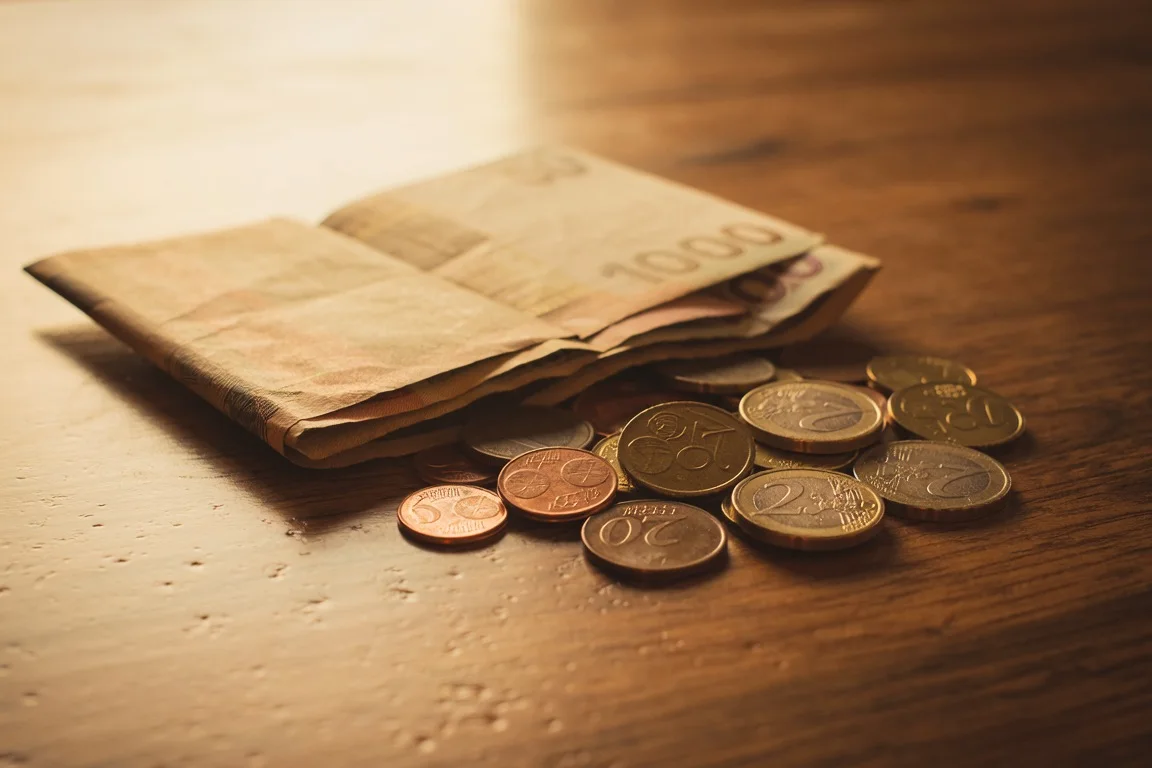
The denomination effect is our tendency to spend money more readily when it is in small denominations than when the same amount is held in a single large note. Breaking a large note feels like a bigger decision, while spending small change hardly registers.
Marketing professors Priya Raghubir and Joydeep Srivastava documented the effect in a 2009 study. People given money in smaller units were more likely to spend it than people given the same total as one larger note.

The research
In one of their experiments, participants were given $1, either as four quarters or as a single dollar bill. Those given quarters were significantly more likely to spend money on sweets. In another study in China, people given the equivalent of 100 yuan in smaller notes spent more than those given a single 100-yuan note.
The researchers also found that people sometimes deliberately choose to carry large notes as a self-control tool, because they know they are less likely to spend them.
Why it happens
Large notes feel more valuable and more 'whole'. Breaking one feels like a loss, and we tend to keep it intact. Small denominations feel less significant, almost like spare change, so spending them causes less pain. This links to mental accounting, where we treat money differently depending on its form or source.
Beyond notes and coins
The same idea applies to other forms of money.
| Form | How it feels | Effect on spending |
|---|---|---|
| Large notes | Valuable, hard to break | Spending is reduced |
| Coins and small notes | Loose change | Spending is easy |
| Gift cards and vouchers | Not quite real money | Often spent on extras |
| Mobile wallets and cards | Invisible, frictionless | Spending can rise |
| Casino chips and app credits | Play money | Spending feels painless |
Digital money and the disappearing note
As cash use falls in many countries, the denomination effect is changing form. Cards, phones and wallets remove the physical act of handing over money. Studies suggest people often spend more when paying by card or phone than with cash, because the 'pain of paying' is lower.
Apps that store balances, in-game currencies and loyalty points can also make spending feel less real. Converting these back to their real money value before buying helps keep decisions grounded.
Using the effect to your advantage
If you want to spend less, carry spending money in larger units and leave small change at home. If you use cash for a weekly budget, withdraw it as larger notes. For digital money, set a weekly spending balance in a separate account or card, so you see the total shrink.
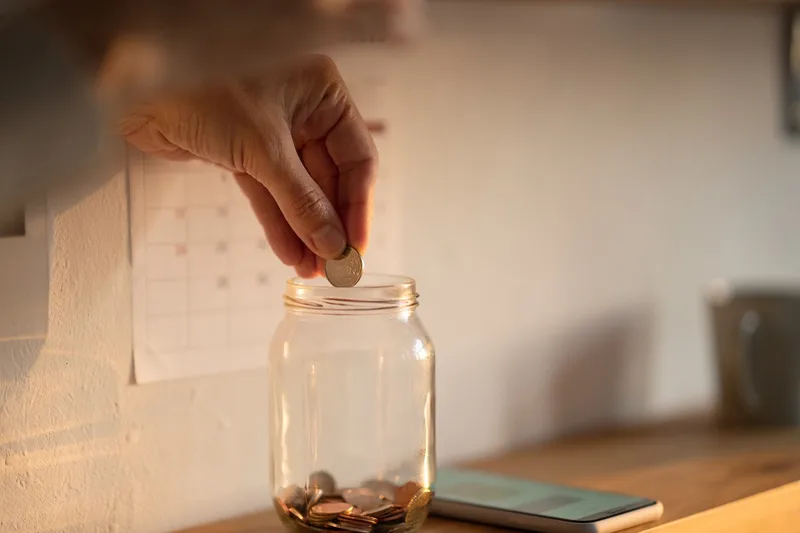
Some people put coins and small notes straight into a savings jar at the end of each day. Over a year, this 'spare change' can add up to a surprising sum.
Small purchases add up
Because small amounts feel insignificant, they are easy to overlook. A $4 coffee five days a week is about $1,000 a year. Daily snacks, small app purchases and delivery fees work the same way. This does not mean cutting all small pleasures, but tracking them for a month often reveals spending that does not match your priorities.
Round-up and micro-saving tools
Many banking apps now offer round-up features that move the difference between a purchase and the next whole amount into savings. They use the same psychology in reverse: small amounts feel painless to save. Over time, these small transfers can build a meaningful buffer without much effort.
Cash, cards and children
Many parents use physical cash to teach children about money because it makes spending visible. Watching a jar of coins shrink is easier to understand than a number on a screen. As children move to cards and apps, setting spending limits and reviewing statements together keeps the lessons going in a cashless world.
Currencies and travel
The effect can also appear when travelling. Unfamiliar notes and coins, especially in currencies with large numbers, can feel like play money. Converting prices back to your home currency before buying helps avoid overspending abroad.
A simple experiment
Try tracking your spending for two weeks using only cash in larger notes for discretionary purchases, then two weeks using cards and phone payments. Many people notice a clear difference. Whichever method helps you stay within your plan is the one worth keeping. The aim is not to avoid cards, which offer convenience and protection, but to choose the form of money that supports your goals.
A realistic scenario
Ines in Lisbon finds she spends small amounts every day without noticing. She sets up a weekly spending card loaded with €120, removes her main card from her phone wallet, and turns on a round-up feature. After three months she has saved €260 in round-ups and her weekly spending is steadier.
Questions to ask yourself
- Do I spend loose change and small notes without thinking?
- How much do I spend on small daily purchases each month?
- Would carrying larger notes or a weekly card help me?
- Do I treat gift cards or app credits as less real?
- Could round-up tools help me save painlessly?
The short version
We spend money in small units more freely than the same amount in a large note, and digital payments can make spending feel even easier. Keep spending money in larger units or a fixed weekly balance, track small purchases, and use round-ups to turn the effect into saving.
Illustration: given £20 as one note, a shopper might keep it intact; given the same £20 as four £5 notes or coins, they are more likely to spend some on snacks and small items, even though the total is identical.
We spend small amounts and loose change more freely than the same money held as one large note. Use this to your advantage by keeping spending money in larger units.
Primary educational reference
Raghubir & Srivastava · The denomination effect (Journal of Consumer Research, 2009) ↗Reviewed November 21, 2026. Examples are hypothetical illustrations in AED or USD. Educational content, not personalised investment, legal or tax advice.