The idea
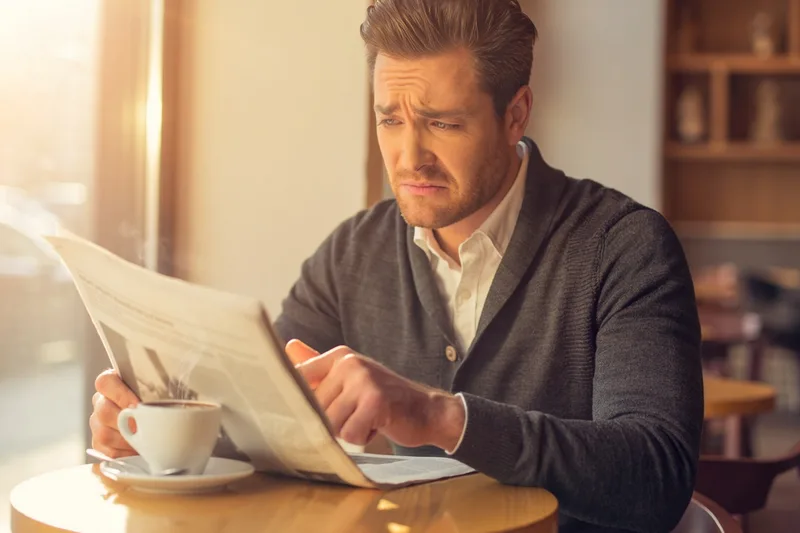
Emotional spending is buying things to change or express how we feel rather than because we need them. People shop to cheer themselves up, relieve stress, fight boredom, celebrate good news or feel more in control. Occasional treats are normal and can be healthy. The problem comes when spending becomes the main way to manage feelings, or when it leads to debt and regret.

What the research shows
In a 2004 study, Jennifer Lerner, Deborah Small and George Loewenstein showed volunteers film clips designed to make them feel sad, disgusted or neutral. People who felt sad were willing to pay more to buy an item and asked for less to sell it, compared with those in a neutral mood. The emotions came from an unrelated film, yet they carried over into money decisions.
The researchers suggested that sadness creates a desire to change one's circumstances, and buying something is a quick way to do that.
How different feelings affect spending
Different emotions push spending in different directions.
| Feeling | Common spending pattern | Risk |
|---|---|---|
| Sadness | Shopping to feel better | Paying more than usual |
| Stress | Comfort food, takeaways, treats | Frequent small costs |
| Boredom | Browsing and buying online | Unplanned purchases |
| Excitement | Celebratory splurges | Overspending on good news |
| Loneliness | Buying to feel connected | Gifts and subscriptions |
| Anger | Rash decisions | Big buys you later regret |
Why it feels good, briefly
Buying something can bring a short burst of pleasure and a sense of control. The anticipation of a purchase arriving can feel exciting too. But these feelings tend to fade quickly, while the cost remains. If the underlying problem, such as stress at work or loneliness, has not changed, the urge to spend may return, creating a cycle.
Positive emotions count too
Emotional spending is not only about bad moods. A promotion, a bonus or a holiday mood can make us feel generous and optimistic, leading to big purchases or lifestyle upgrades. Being in a good mood can make risks seem smaller. Before spending a windfall or celebrating with a large purchase, give yourself time for the excitement to settle.
Notice and name the feeling
A simple first step is to notice how you feel before you buy. Some people keep a short spending diary for a few weeks, writing down each non-essential purchase and their mood at the time. Patterns often appear quickly: perhaps most impulse buys happen late at night, after arguments, or on payday. Naming the feeling can create enough distance to make a different choice.
Build in a pause
Strong emotions are temporary. Waiting a day before any non-essential purchase gives feelings time to settle. Remove saved card details from shopping sites, log out of apps and unsubscribe from marketing emails to make spontaneous buying harder when you are vulnerable.
If you share finances with a partner, agreeing to check in before purchases over a set amount can also help.
Cheaper ways to feel better
Find alternatives that meet the same need for less money. A walk outside, exercise, a call with a friend, cooking a favourite meal, a hobby or simply resting can all help with stress or sadness. Some people make a short list of free mood-boosters and keep it on their phone for difficult moments.
If you want to treat yourself, set aside a small amount each month for this purpose, so treats are planned rather than reactive.
When to seek help
If shopping feels out of control, you hide purchases from others, or spending is causing serious debt or distress, it may be more than a habit. Talking to a doctor, counsellor or a free debt advice service can help. Many countries have charities that offer confidential support with both money worries and emotional wellbeing.
Money and mood go both ways
The link between emotions and money runs in both directions. Feelings drive spending, but money worries also affect mood, sleep and relationships. Overspending to feel better can lead to debt, which then causes more stress and more urges to spend. Breaking the cycle often starts with small steps: a realistic budget that includes some fun money, a modest emergency fund for peace of mind, and a plan for any existing debts. Feeling more in control of your money can itself reduce the urge to spend emotionally.
A realistic scenario
Grace in Nairobi notices she spends heavily on clothes and takeaways during busy months at work. She starts a short diary and finds that most of her regretted spending happens on evenings after long days. She sets a rule to wait until the next morning for any purchase over KSh 3,000 and plans a weekly dinner with friends at home. Over three months her discretionary spending falls by about a third.
Questions to ask yourself
- How am I feeling right now?
- Am I trying to change my mood with this purchase?
- Would I buy this if I felt calm and rested?
- Is there a cheaper way to meet the same need?
- Can I wait until tomorrow?
The short version
Emotions, both good and bad, shape how much we spend and what we buy. Sadness can make us pay more, stress drives comfort buying and excitement fuels splurges. Notice your mood, pause before buying, find cheaper ways to feel better and seek support if spending feels out of control.
Illustration: after a stressful week, Omar spends £180 on a new gadget he rarely uses. A month later, he realises his biggest regretted purchases all happened on Friday evenings after hard weeks. He replaces his Friday shopping habit with a walk and a call to a friend.
Feelings are a normal part of money decisions, but strong emotions are a poor time to spend. Notice your mood, pause, and find cheaper ways to feel better.
Primary educational reference
Lerner, Small & Loewenstein · Heart strings and purse strings: carryover effects of emotions on economic decisions (Psychological Science, 2004) ↗Reviewed November 21, 2026. Examples are hypothetical illustrations in AED or USD. Educational content, not personalised investment, legal or tax advice.