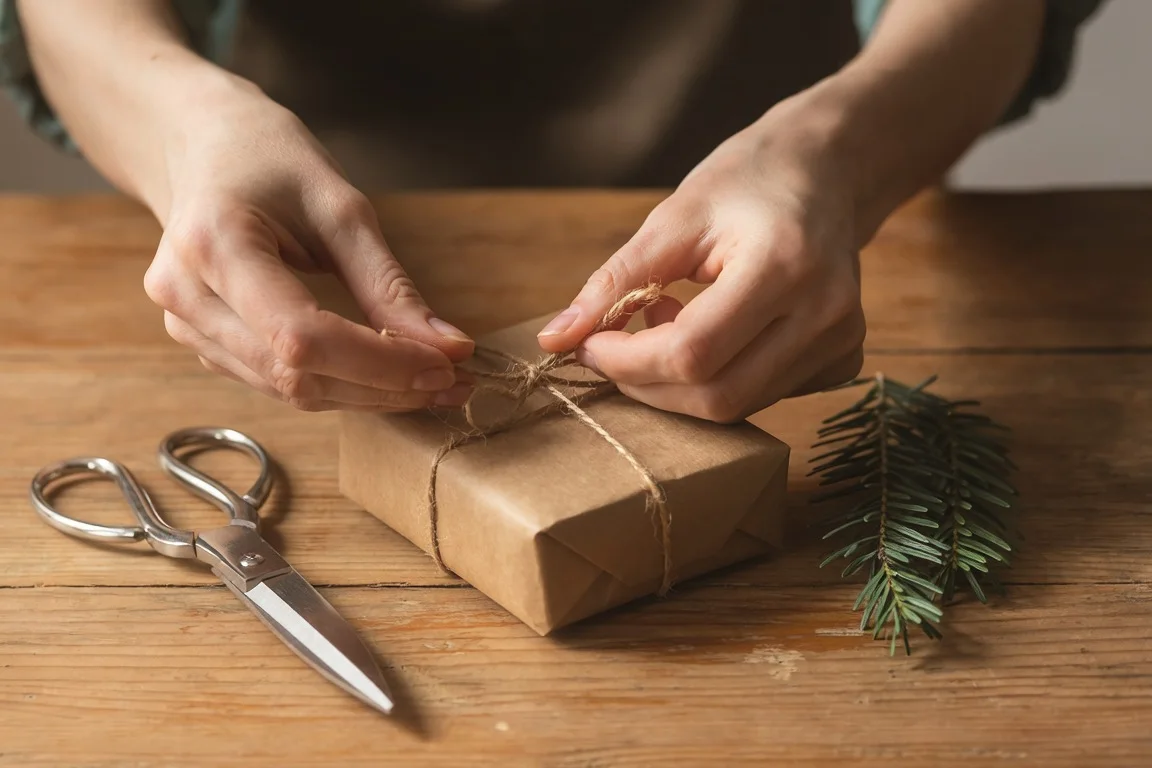
The idea
Gift-giving is a meaningful part of many cultures and celebrations: birthdays, weddings, religious festivals, graduations and new babies. Gifts express care and strengthen relationships. But they can also put pressure on budgets, especially when people feel that spending more shows they care more.
Research suggests that givers and receivers often see gifts differently, which means many people spend more than they need to.

The research
In a 2009 study, Francis Flynn and Gabrielle Adams found that gift-givers expected recipients to appreciate more expensive gifts more. Recipients, however, didn't link price with appreciation in the same way. A cheaper gift was valued just as much in many cases.
Other research has found that recipients often prefer gifts they've asked for, or practical items they'll use, over surprises chosen to impress. Givers tend to focus on the moment of giving, while recipients focus on how useful or meaningful the gift is over time.
Gift spending around the world
Gift-giving seasons vary across the world, from Christmas, Eid, Diwali, Lunar New Year and Hanukkah to birthdays and weddings. In many places, gift spending is concentrated in a few months, which can strain budgets and lead to borrowing. Surveys in several countries have found that some people take on debt for holiday spending and are still repaying it months later.
Common gift money traps
Gift-giving can lead to overspending in several ways.
| Trap | Example | Better approach |
|---|---|---|
| Equating price with care | Spending more to show love | Focus on thought and usefulness |
| Reciprocity pressure | Matching what others spent | Agree limits with family or friends |
| Last-minute buying | Paying more in a rush | Plan and buy early |
| Gift lists that grow | Adding colleagues, neighbours | Prioritise closest relationships |
| Paying by credit | Holiday debt | Save in advance for gifts |
Setting a gift budget
A yearly gift budget helps. List the people and occasions you usually buy for, estimate a reasonable amount for each, and add them up. Divide the total by twelve and set that amount aside each month. When gift-giving seasons arrive, the money is ready, and you're less likely to rely on credit cards or loans.
Thoughtful over expensive
Gifts that show you know someone often matter more than costly ones. Something they mentioned wanting, an experience you can share, a handwritten note, a homemade item or your time and help can be deeply appreciated. For people who have everything, a donation to a cause they care about can be meaningful.
Agreeing limits with others
Many families and friendship groups agree to set spending limits, draw names so each person buys for one other, or focus on gifts for children only. Suggesting this can feel awkward, but others often feel relieved. It reduces pressure on everyone and keeps the focus on celebrating together.
Giving cash and vouchers
In many cultures, giving money is normal and appreciated, such as red envelopes at Lunar New Year, Eidi during Eid, or cash gifts at weddings. Cash lets recipients choose what they need. Research by economist Joel Waldfogel suggested that non-cash gifts are often valued less by recipients than they cost, which supports giving money or asking what people want, though many people also value the personal touch of a chosen gift.
Weddings and big occasions
Weddings and milestone celebrations can be expensive for guests too, with travel, outfits and gifts. It's fine to give a modest gift, decline some invitations or choose a lower-cost option. True friends will understand. For your own events, consider whether expectations of expensive gifts might burden guests.
Teaching children about gifts
Gift-giving seasons are also a chance to teach children about money. Involving them in setting a budget for gifts, choosing presents within a limit or making homemade gifts helps them understand that generosity isn't measured by price. Children can also learn about giving to others, such as donating toys or contributing to a charity, which builds lifelong habits around money and kindness.
Experiences as gifts
Experiences can make excellent gifts: a meal together, tickets to an event, a class or a day trip. They create shared memories and avoid clutter. They needn't be expensive. A picnic, a hike or a home-cooked dinner can mean more than an expensive object.
Shopping smarter
Buying gifts gradually through the year, watching for genuine sales and keeping a list of ideas when people mention things they'd like can all reduce costs. Last-minute shopping tends to mean higher prices and less thoughtful choices.
A realistic scenario
Priya in Toronto usually spends heavily during Diwali and Christmas and carries a credit card balance into the new year. She lists everyone she buys for, sets a total budget of C$900 and saves C$75 a month. She suggests a name draw with her cousins and focuses on thoughtful, practical gifts. That year, she finishes the festive season with no debt and says the celebrations felt less stressful.
Questions to ask yourself
- Am I spending more because I think price shows care?
- Do I have a yearly gift budget?
- Could we agree limits or a name draw with others?
- Would the recipient value something practical or an experience?
- Am I using credit to pay for gifts?
The short version
Gift-givers often think expensive gifts are more appreciated, but recipients care more about thought and usefulness. Set a yearly gift budget, save in advance, agree limits with family and friends, and focus on meaningful rather than costly gifts. Avoid starting the new year with gift debt.
Illustration: Amina plans to spend €150 on a birthday gift for a close friend, worried that anything cheaper will look careless. Remembering that her friend has mentioned wanting a particular book and a cooking class, she spends €60 on both. Her friend is delighted, and Amina stays within her budget.
Recipients usually care less about price than givers think. Set a gift budget, focus on thoughtfulness and usefulness, and avoid going into debt for presents.
Primary educational reference
Flynn & Adams · Money can't buy love: asymmetric beliefs about gift price and feelings of appreciation (Journal of Experimental Social Psychology, 2009) ↗Reviewed November 21, 2026. Examples are hypothetical illustrations in AED or USD. Educational content, not personalised investment, legal or tax advice.