The idea
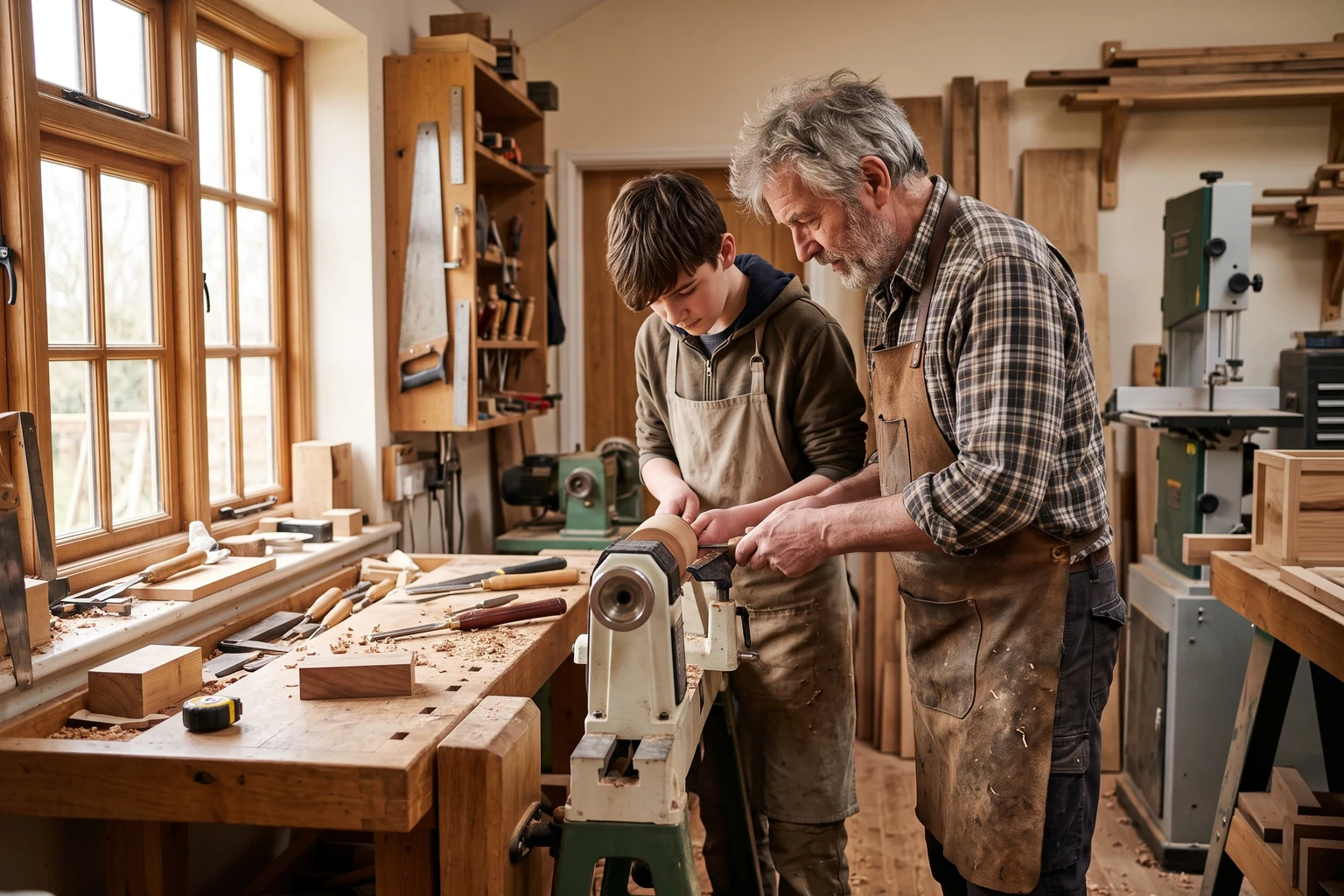
Retirement used to mean leaving work completely on a set birthday. Many people now step down gradually: fewer days a week, a shorter role, consulting for a former employer, or a new part-time job. This is phased retirement. It turns a sudden cliff into a gentle slope, both financially and emotionally.
Surveys in many countries show that a large share of older workers would prefer a gradual transition if employers offered it. Phased retirement is growing as people live longer and many jobs become less physically demanding.

Why the money works
Even modest earnings in your early sixties can make a big difference. Every year your part-time income covers some spending is a year you withdraw less from savings, which stay invested longer. Delaying withdrawals also shortens the number of years your pot has to fund, which is the hardest part of retirement maths.
Pensions and phased retirement
Pension rules decide how flexible a phased retirement can be. Some workplace schemes let you take part of your pension while still working; others require you to leave first. Defined benefit schemes may reduce your pension if you take it early, while defined contribution pots can often be drawn gradually. Check your scheme’s rules before agreeing a new working pattern.
Three common patterns
| Pattern | How it works | Watch out for |
|---|---|---|
| Fewer days, same employer | Same role, reduced hours | Effect on final salary pension |
| Bridge job | A different, less demanding job | Lower pay, new learning curve |
| Consulting or freelance | Selling your expertise flexibly | Irregular income, self-employment tax |
The health and happiness side
Research links continued engagement in meaningful work with better mental health and social connection in later life. Phased retirement gives people time to build interests, friendships and routines outside work before giving up the structure of a job completely. Many who retire suddenly find the loss of identity harder than they expected.
State pensions and benefits
Earning while drawing a state pension is often allowed, but some systems reduce benefits if you earn above a limit before full retirement age. In the United States, for example, Social Security benefits taken before full retirement age can be temporarily reduced by an earnings test. Other countries let you defer the state pension for a higher payment later.
Tax in the transition years
Phased retirement can be tax-efficient. Lower earnings may fall into lower tax bands, leaving room to draw a little pension income at a low rate. But combining a salary, a pension and investment income can also push you into a higher band. Planning withdrawals year by year keeps the total under control.
Talking to your employer
Many employers are open to flexible arrangements, especially for experienced staff whose knowledge is hard to replace. A proposal that explains how your work will be covered, how you can train successors and what schedule you suggest is more likely to succeed than a simple request. Some countries give employees a legal right to request flexible working.
Budgeting for lower income
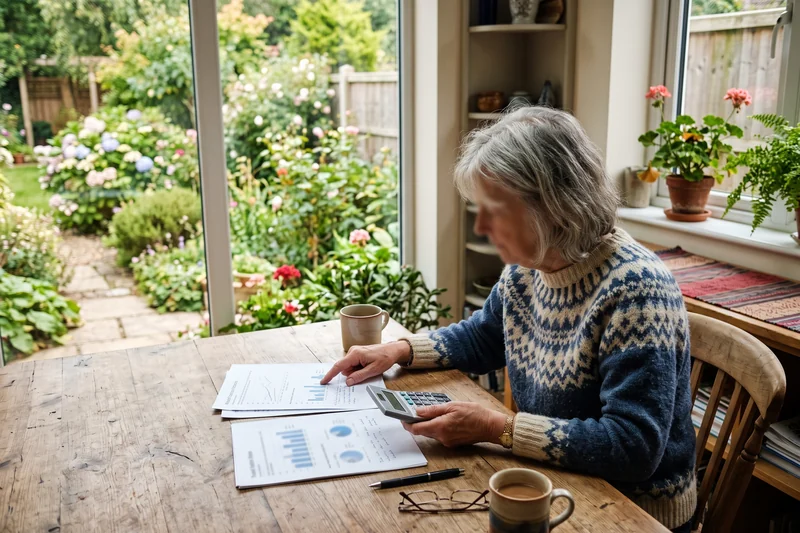
Before cutting hours, build a budget based on the reduced income plus any pension you plan to draw. Test it for a few months while still on full pay by saving the difference. This shows whether the plan is realistic and builds a cash buffer at the same time.
Health insurance and benefits
Part-time roles may come with fewer benefits. In countries where health insurance is tied to employment, losing cover before state cover starts can be expensive. In the UAE, health insurance is generally linked to employment and residency, so expats planning to work fewer hours should check that cover continues.
When phased retirement is not possible
Physically demanding jobs, health problems or redundancy can make a gradual exit impossible. That is why it is wise to plan for full retirement as a fallback and treat phased retirement as a bonus rather than a certainty.
A realistic scenario
Karen, 62, an accountant in Auckland, moves to three days a week for four years. Her part-time salary covers most of her spending, so she withdraws only 8,000 a year from her savings instead of 35,000. When she fully retires at 66, her pot is substantially larger than if she had stopped at 62.
Questions to ask yourself
- Would I enjoy working part-time?
- Does my pension allow partial withdrawals?
- How would reduced pay affect my budget?
- What happens to my health cover?
- Have I tested living on the lower income?
The short version
Phased retirement replaces a sudden stop with a gradual step-down. Part-time earnings reduce withdrawals, give savings more time to grow and ease the emotional change, but check pension, benefit and insurance rules first.
Illustration: spending 40,000 a year. Full retirement at 62 means drawing 40,000 for four years = 160,000. Part-time pay of 32,000 means drawing 8,000 a year = 32,000. Difference: 128,000 left invested. Hypothetical figures, before tax and returns.
Working part-time for a few years before full retirement reduces how much you draw from savings, delays withdrawals and keeps purpose and social contact.
Primary educational references
US Social Security Administration · Receiving benefits while working ↗
Reviewed November 28, 2026. Examples are hypothetical illustrations. Educational content, not personalised investment, legal or tax advice.